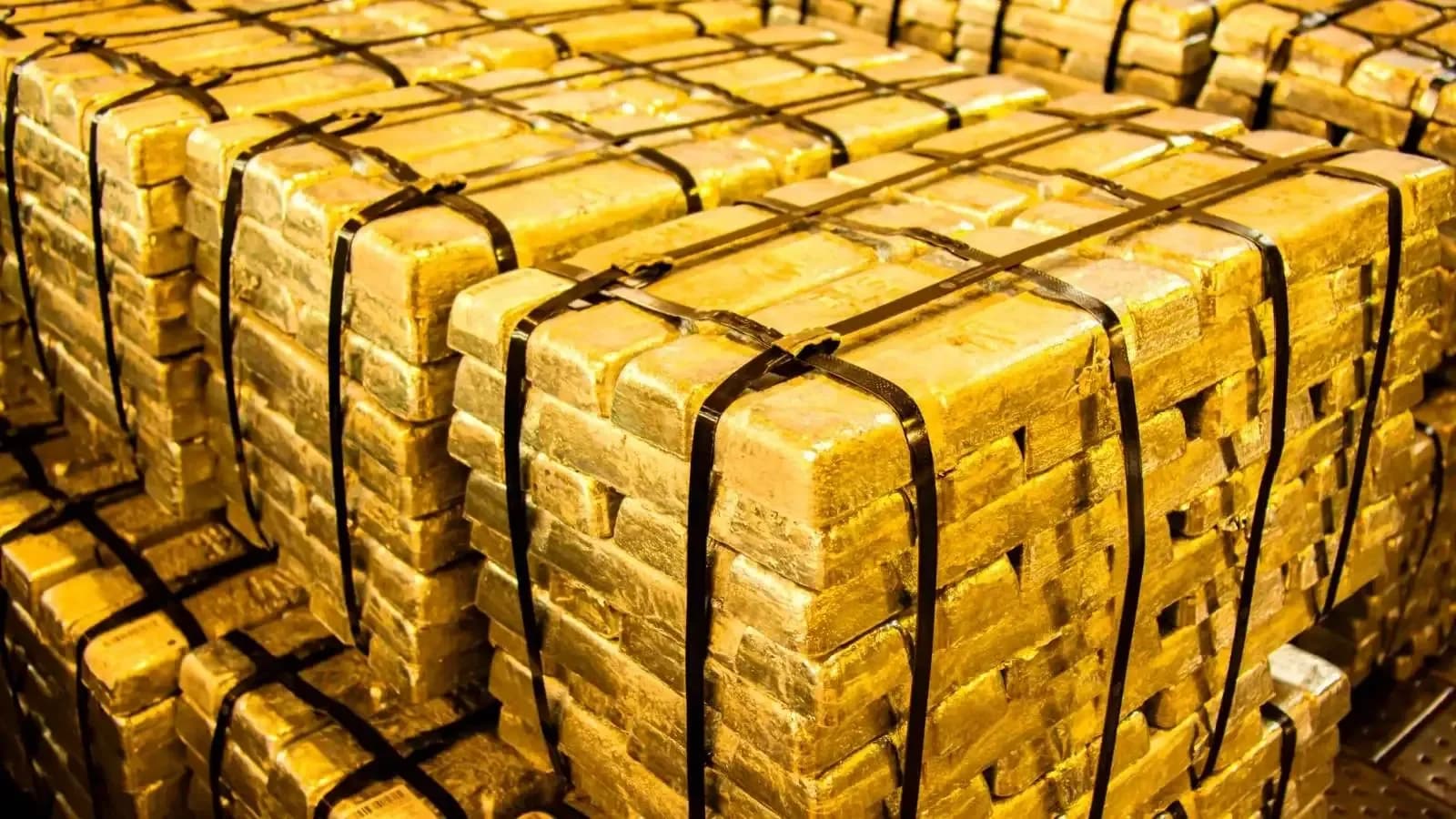
Global financial wealth experienced a significant surge in 2025, rising 10.7% to $333 trillion and reaching its highest growth rate since 2021. According to recent reports, this expansion was driven by gold's remarkable 44% rise, while equities surged 13.2% and real assets expanded 7.4%. The total wealth including real assets reached $550 trillion, up 9.3%, with financial wealth projected to grow at a 7% compound annual rate through 2030. This growth occurred against a backdrop of trade wars, tariff brinkmanship, and escalating geopolitical tensions, highlighting the resilience of global markets despite political uncertainty.

According to reports from The Economic Times, gold ownership in India is more widespread than stock ownership, creating a broader impact when prices surge. A recent Morgan Stanley report estimated that Indian households hold gold worth approximately $3.8 trillion, compared to $1.2 trillion in equities. Gold prices have surged around sixty per cent over the past year, far outpacing the five per cent return delivered by the Nifty 500 over the same period. This widespread gold ownership means a gold rally has a wider reach than stock market investments in India, with the latest global data showing gold's standout performance as a 44% rise driven by robust retail buying and central bank accumulation reflecting deepening unease about reserve currency stability.
The wealth growth was not evenly distributed across regions, with Asia-Pacific remaining a key engine of growth supported by its central role in the AI supply chain. Mainland China led the region with financial wealth expanding by 15% in 2025 and projected to grow at 9% annually through 2030. The rest of Asia-Pacific grew by 9.2%, with 7% annual growth expected over the same period. Western Europe was the year's positive surprise, rising 15.3% supported by favorable currency movements and a persistently high household savings rate. The Middle East and Africa showed nominal wealth growth of 12.3%, with accelerating economic diversification and strong investment activity in Gulf States underpinning this growth.
Cross-border wealth rose 8.4% to $15.7 trillion in 2025, lifted by strong market performance and heightened demand for geographical diversification. For the first time, Hong Kong narrowly overtook Switzerland as the world's largest cross-border booking center, with cross-border wealth rising 10.7% to $2.9 trillion driven by mainland China flows. The top ten booking centers took almost 90% of new cross-border flows, with Hong Kong cementing its role as China's gateway to global markets through its mainland flows representing over 60% of assets under management. Switzerland maintained its position at $2.9 trillion with 7.6% growth, with growth expected to average around 6% annually through 2030.
As reported by The Economic Times, the wealth effect is a behavioural economics concept that links rising asset prices to higher consumer spending. When consumers see their portfolios increase, they feel more financially secure and spend more freely, even without actual cash in hand. The effect is particularly pronounced in India because gold accounts for nearly fifteen per cent of Indian household wealth, roughly three times the share held in equities. This makes the gold-driven wealth effect potentially more powerful and more democratic than anything the stock market has managed so far, with the latest global data showing how gold's 44% rise has contributed significantly to the overall wealth expansion across markets.