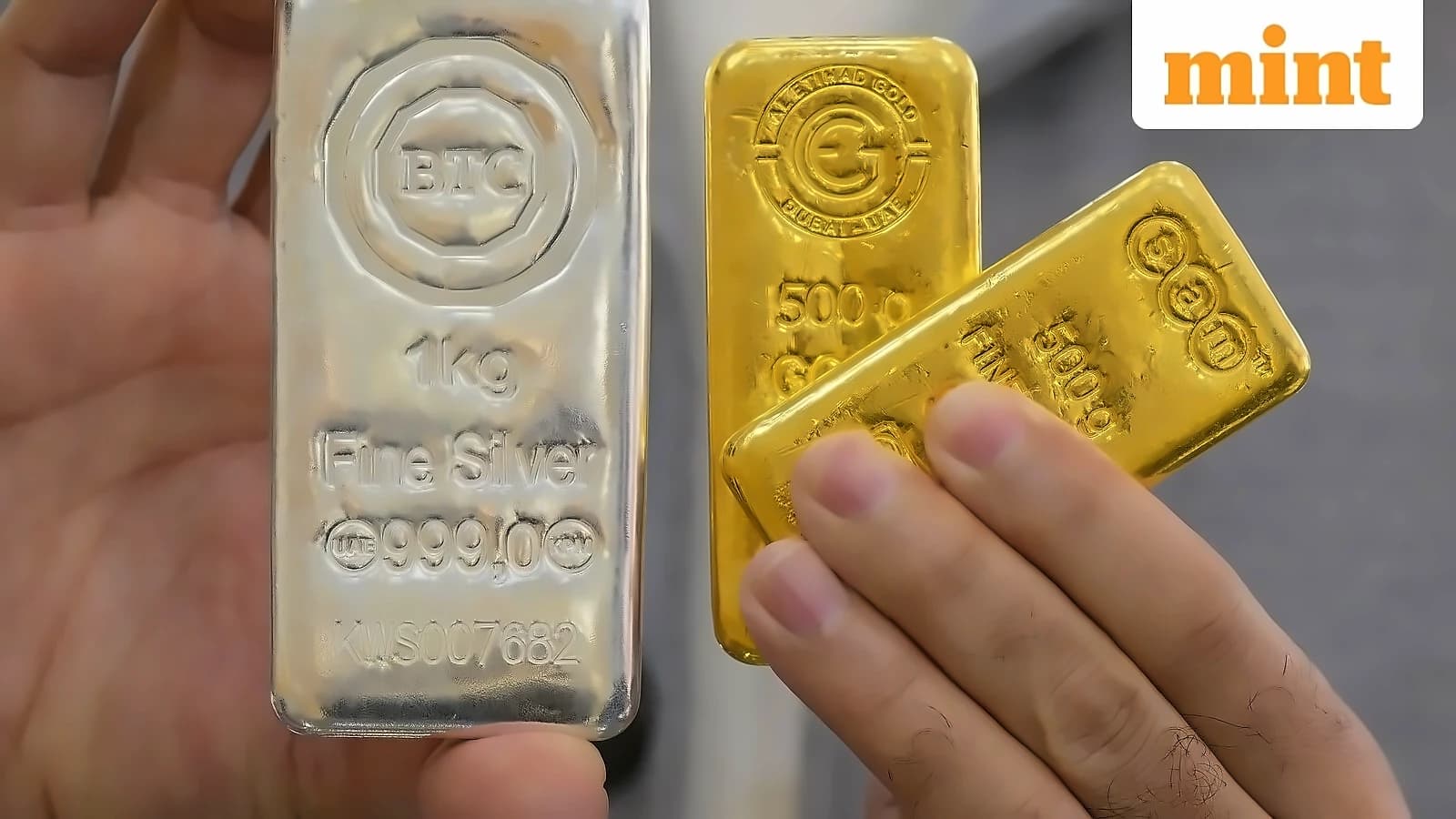
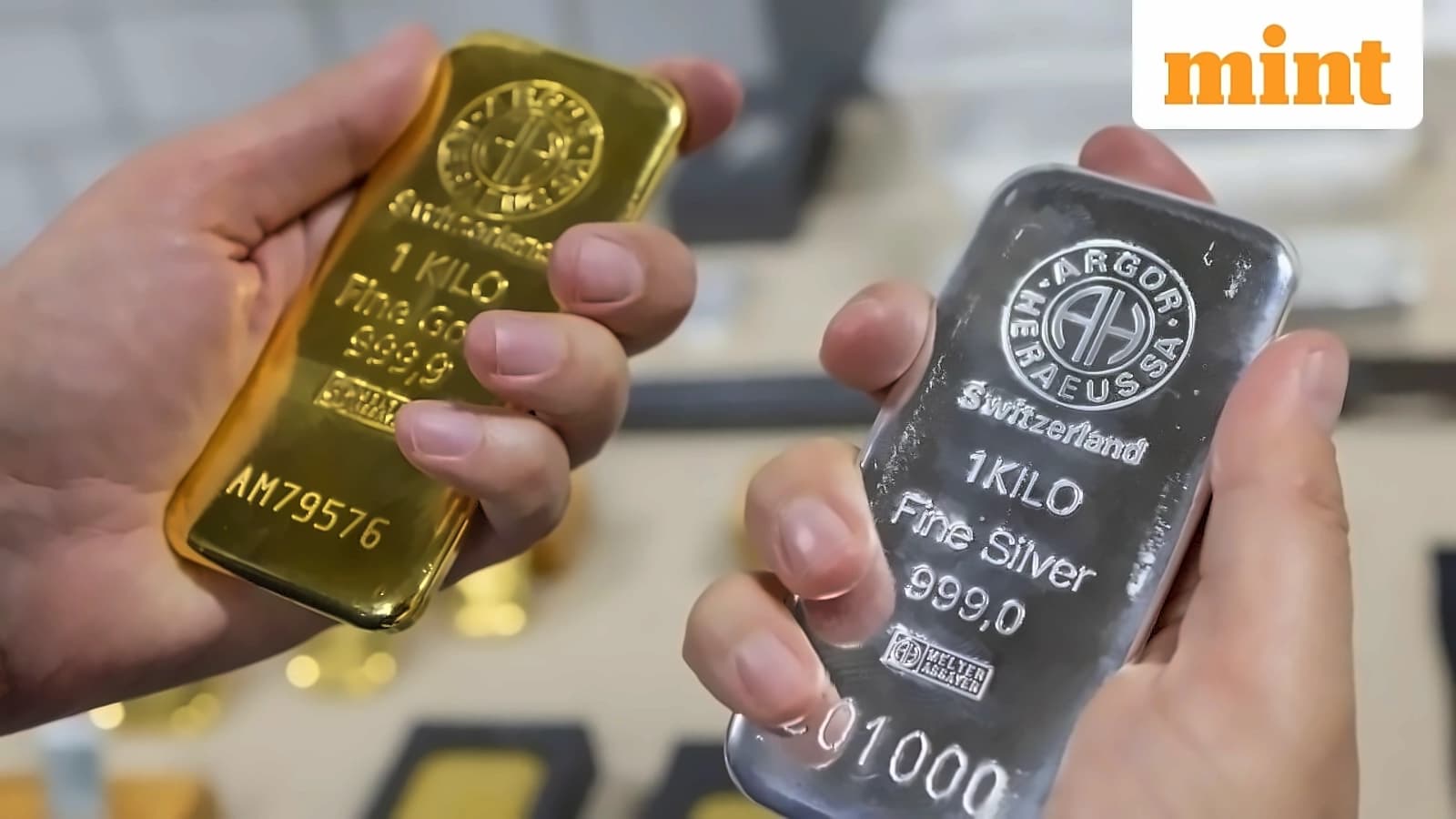
Gold and silver prices on MCX staged a strong recovery on Thursday, 28 May, after US inflation data showed a slower-than-estimated rise, strengthening expectations that the Federal Reserve may prefer to keep interest rates unchanged rather than pursue further monetary tightening. Comex gold rebounded by $107 per ounce to the day's high of $4,502, while silver futures recovered $3.30 to touch an intraday high of $75.23. Earlier in the session, silver had slipped to its lowest level since 30 April, while gold fell to levels last seen on 27 March. MCX gold futures rebounded by ₹873 per 10 grams to the day's high of ₹1,56,500, with the momentum potentially snapping its two-day losing streak. Silver futures also staged a strong recovery, gaining ₹5,320 per kilogram from the day's low to touch ₹2,66,320, though it remains down 2.3% for the week and could snap a four-week winning streak.
US personal consumption expenditure (PCE) price index rose 3.8% year-on-year in April, with the PCE price index increasing 0.4% in April after surging 0.7% in March. Excluding food and energy, core PCE prices rose 0.2% for the month and 3.3% annually, compared with market estimates of 0.3% and 3.3% respectively. The US Federal Reserve uses the PCE index as its preferred gauge for inflation and monetary policy decisions, with policymakers generally considering the core measure a better indicator of long-term inflation trends. The yield on the 10-year US Treasury note remained flat at 4.479%, reflecting the market's assessment of the Fed's likely policy stance. As per LiveMint, higher energy prices resulting from disruptions around the Strait of Hormuz are likely to keep inflation elevated and force central banks to maintain higher interest rates for longer.
Tensions in the Middle East resurfaced following fresh attacks, reducing hopes of a near-term peace agreement in the region. Tehran reportedly targeted a US airbase on Thursday after Washington launched fresh strikes on Iran. Iran and the US accused each other of violating a fragile ceasefire in their three-month conflict, with both sides saying negotiations through mediators were making progress but showing few public signs of a meaningful breakthrough. A major sticking point in the negotiations remains Tehran's insistence on maintaining control over the Strait of Hormuz and preserving its nuclear programme. Earlier this week, both nations had signalled a willingness to end the three-month-long war, but the latest escalation put those hopes to the test, triggering a rebound in crude oil prices. Higher energy prices from disruptions around the Strait of Hormuz are likely to keep inflation elevated and force central banks to maintain higher interest rates.
According to commodity market experts, immediate resistance is seen in the ₹1,59,500-₹1,60,000 range, while a sustained breakout could push prices towards ₹1,61,000. On the downside, support is placed around the ₹1,58,000-₹1,57,500 levels. Meanwhile, MCX silver was holding firm above the ₹2,76,000 mark amid ongoing volatility, with a sustained move above ₹2,77,000 may support further recovery towards the ₹2,79,000-₹2,80,000 zone. Support is seen near ₹2,73,000. In international markets, COMEX gold rose 0.75% to $4,557.30 per ounce while COMEX silver was trading over 2% higher at $78.015. As per Motilal Oswal Financial Services, "Gold has struggled to regain strong upside momentum as investors increasingly focus on the inflationary impact of elevated energy prices," said Manav Modi, Commodities Analyst.
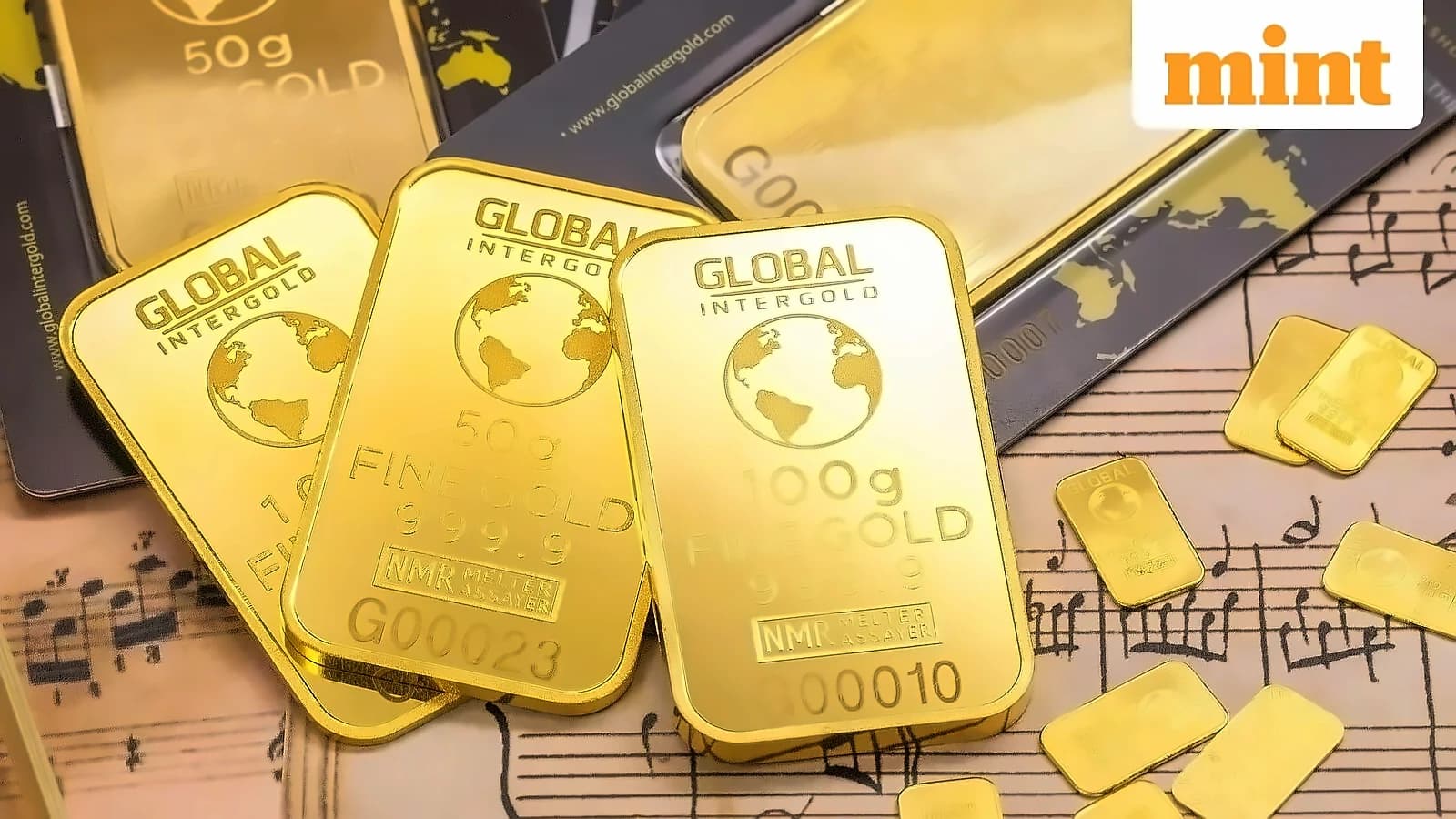
According to Crisil Ratings, India's organised gold jewellery retail sector may see a 13-15% decline in sales volumes in FY27, with jewellery sales volumes expected to fall to 620-640 tonnes this fiscal, a level not seen in the past decade. The sharp rise in prices has weakened affordability, prompting consumers to shift towards lightweight jewellery, lower-carat products in the 16-22 carat range and studded jewellery. Despite weaker volumes, organised jewellers are projected to record a robust 20-25% year-on-year rise in revenues during the fiscal, driven largely by higher realisations. The government's decision to more than double customs duty on gold to 15% from 6% is expected to significantly impact affordability and suppress consumer demand across segments. India imported around 720 tonnes of gold in FY26, resulting in a foreign exchange outflow of USD 72 billion.