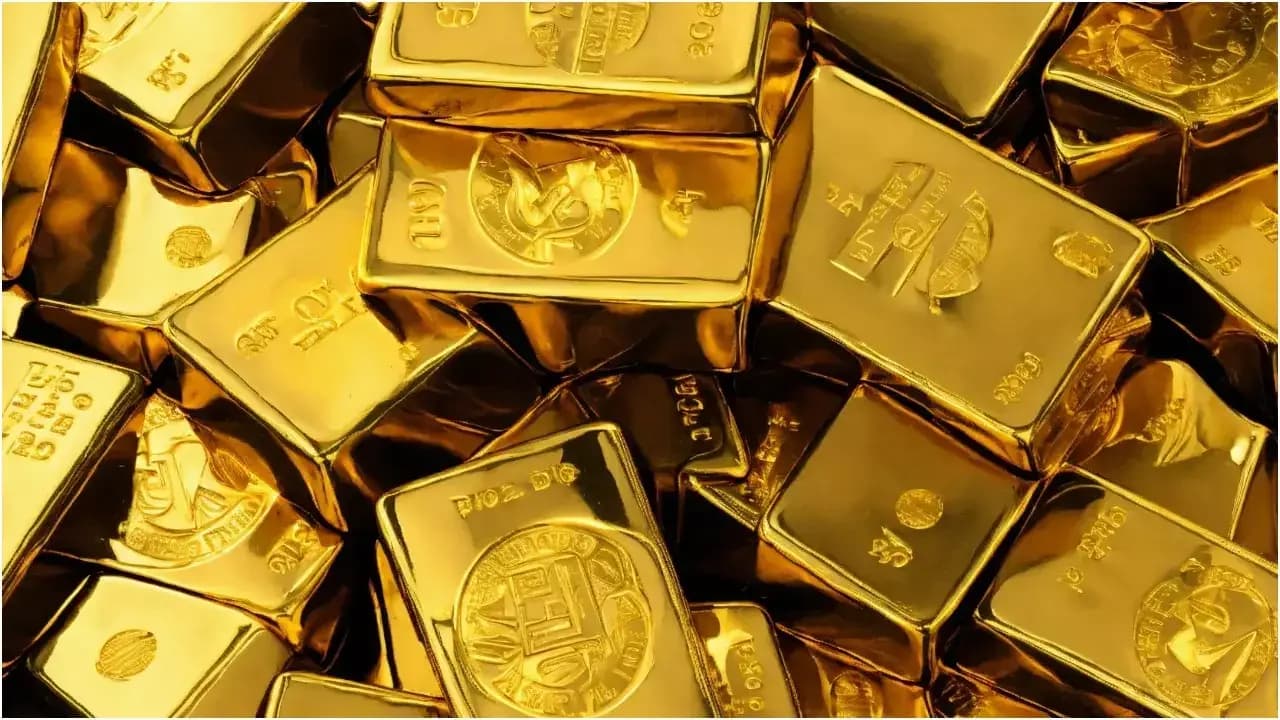
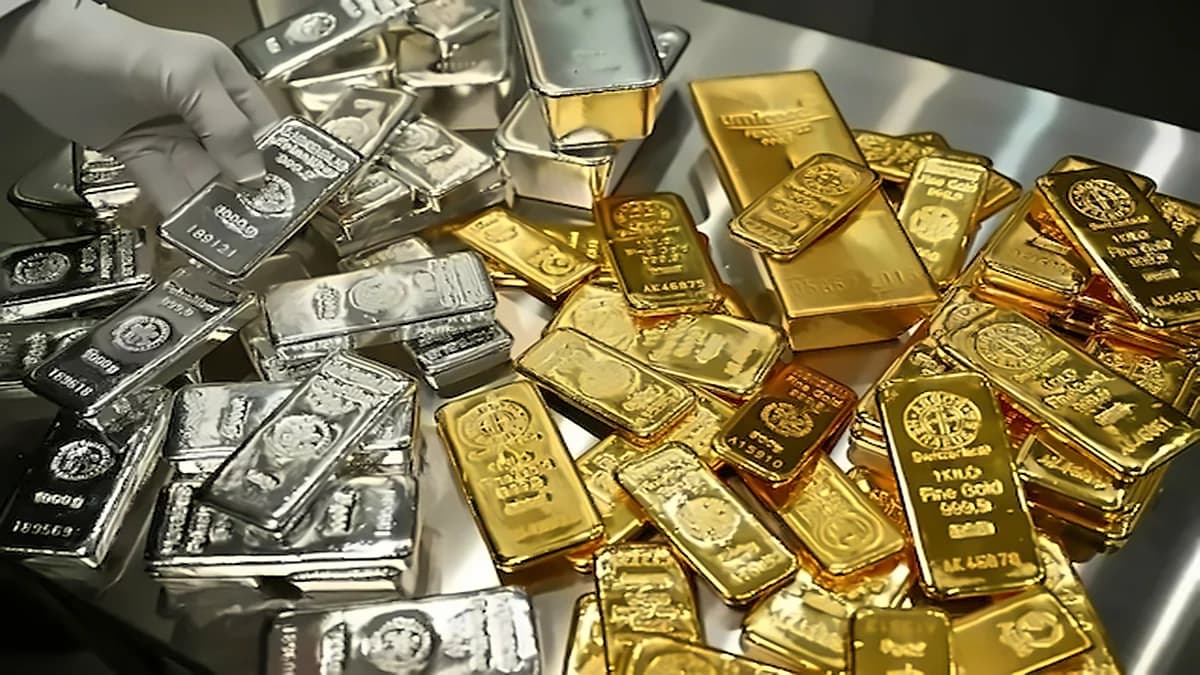
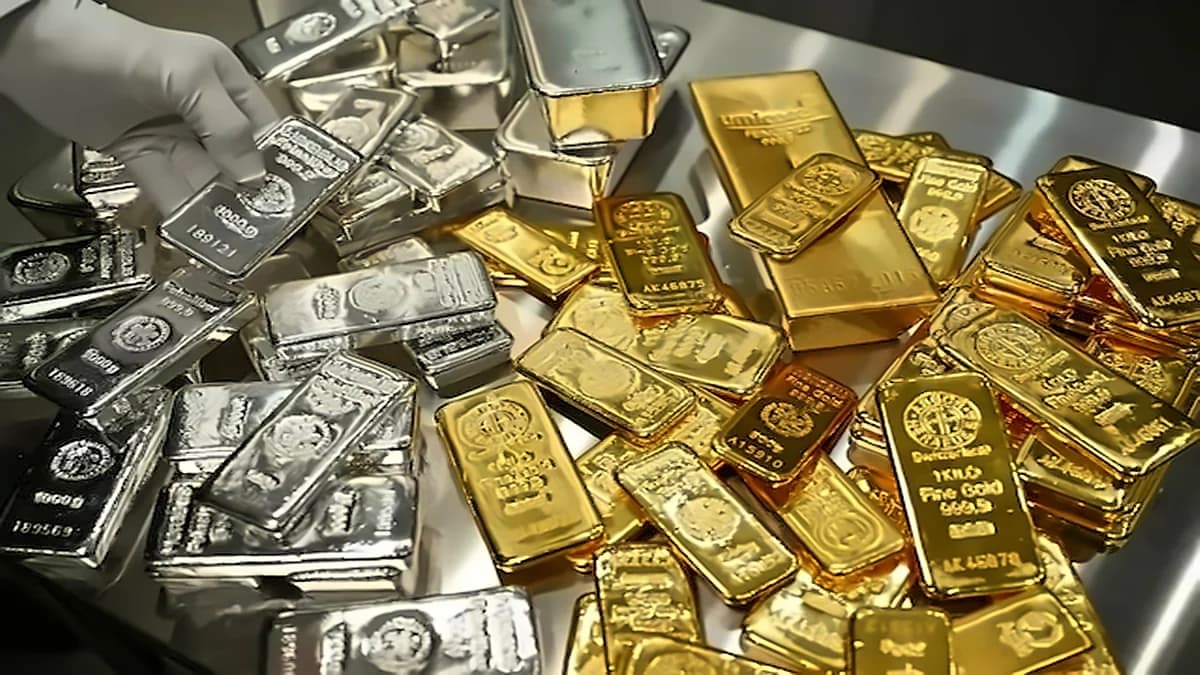
Gold prices fell to a more than one-week low on Friday, declining over 2.5% to approach the $4,500 per ounce level, according to latest reports. At the time of writing, XAU/USD was trading around $4,550 per ounce, down from previous levels of $4,527.80 per ounce by 9:40 a.m. EDT. The precious metal was trading at its lowest level since May 5, with prices down 4% for the week. U.S. gold futures for June delivery had previously lost 3.2% to $4,535, reflecting broad-based weakness across precious metals markets. The latest decline brings gold closer to the $4,500 reference area, once again highlighting a relevant selling bias in the short term.
Silver experienced a dramatic decline, plunging nearly 6.5% to about $78 after breaking below the key $80 level, according to latest market data. The precious metal's sharp decline reflects its dual exposure to both precious metals sentiment and industrial-demand fears tied to tighter financial conditions. Silver had previously remained under heavy pressure after Wednesday's washout, hovering near $83.54 on Thursday. The metal's inverse correlation with the U.S. Dollar and Treasuries continues to influence price movements, with a strong Dollar keeping silver prices controlled while a weaker Dollar tends to push prices up. From a technical perspective, silver maintains a mildly bearish near-term bias as it holds below key resistance levels, with traders citing $87 as the recent two-month high earlier this week and $70–$72 as silver support zone.
The precious metals sell-off was driven by expectations of more aggressive central banks, which have made the bond market increasingly attractive as a substitute for gold. US 10-year Treasury bonds stand out with yields near 4.5%, levels not seen since early 2025, while Canada's yields remain on an upward slope approaching 3.7% and Japan's 10-year bond yields have moved above the 2.7% area. This dynamic is particularly relevant as the bond market serves as one of gold's main substitutes as a safe-haven asset. As interest rates continue to rise, the appeal of yield-generating instruments increases, unlike gold which does not generate yield. Over the past 50 sessions, the correlation coefficient shows a negative relationship of -0.76, indicating a relevant inverse relationship between rising US 10-year Treasury yields and gold price action.
Recent U.S. economic data has prompted traders to increase bets that the Federal Reserve could raise borrowing costs by year-end, as reported by The Economic Times. US headline inflation rose to 3.8% YoY in April from 3.3% in March, marking the highest level since May 2023. Meanwhile, the Producer Price Index (PPI) climbed 6% YoY in April from 4.3% previously, recording its strongest increase since December 2023. Consumer spending remained resilient, with US Retail Sales rising 0.5% MoM in April. According to the CME FedWatch Tool, markets are currently pricing in around a 45% probability of a rate hike at the December meeting, up from around 33% a day earlier. However, the probability table shows that for upcoming decisions, there is still a probability above 70% that interest rates will remain unchanged until at least October 2026. From December 2026 onward, a probability above 40% has started to emerge for potential rate hikes toward a new 4.00% reference level, indicating that expectations around the central bank have shifted from neutral to potentially more restrictive in the coming months.
President Trump's comments about Iran have intensified market concerns about Middle East tensions, according to The Economic Times. Trump stated his patience with Iran was running out and left China with no major breakthroughs on trade or tangible help to end the war. Crude oil prices have risen more than 40% since the U.S.-Israel war on Iran began, leading to higher inflation globally. This inflation narrative has been very bearish for metals, as central banks tend to hike interest rates during times of inflation. On the geopolitical front, US-Iran peace talks remain stalled, with no near-term resolution in sight. Iran's Foreign Minister Abbas Araghchi said on Friday that the US is sending "contradictory messages" on negotiations. The latest developments show +7.8% jump in final-demand energy prices and +15.6% surge in gasoline prices, contributing to the overall inflation shock that has pressured both gold and silver markets.
From a technical perspective, gold maintains a mildly bearish near-term bias as spot holds below the 20-day Simple Moving Average at roughly $4,662 from the Bollinger Bands, according to latest analysis. The lower Bollinger Band around $4,510 offers immediate support, ahead of the horizontal floor at $4,350, with a deeper cushion emerging near $4,100 if selling accelerates. A daily close above the mid-Bollinger 20-day SMA would be the first sign of stabilization, with further resistance waiting at the upper band near $4,814 and then at the more strategic horizontal barrier around $5,000. The precious metal's inverse correlation with the U.S. Dollar and Treasuries continues to influence price movements, with a strong Dollar keeping gold prices controlled while a weaker Dollar tends to push prices up. If bond markets, especially US Treasury bonds, continue to show consistent increases in yields, this effect could continue to make it difficult for gold to gain ground in the short term, potentially remaining a relevant factor within a scenario of consistent weakness in XAU/USD price action over the coming trading sessions.