Federal Reserve Governor Michael Barr warned on Tuesday that the U.S. central bank may need to raise interest rates if inflation does not show enough signs of cooling, adding pressure on policymakers ahead of their September 15-16 meeting. Barr stated in prepared remarks for the Second Chance Lending Forum that "Inflation remains too high and has been for over five years." He emphasized that "If inflation appears not to be moderating sufficiently, then I think we should act decisively to raise rates." Barr also left the door open to a less aggressive approach if incoming economic data provide greater confidence that inflation is moving toward the Fed's 2% target. "If trends in the data give me some confidence that inflation is moderating on a path to 2%, then I think we can take a bit more time to assess our policy stance," he said. These comments come as financial markets are betting on a quarter-point increase in the Fed's benchmark overnight interest rate at the September meeting, with the rate currently in the 3.50%-3.75% range.
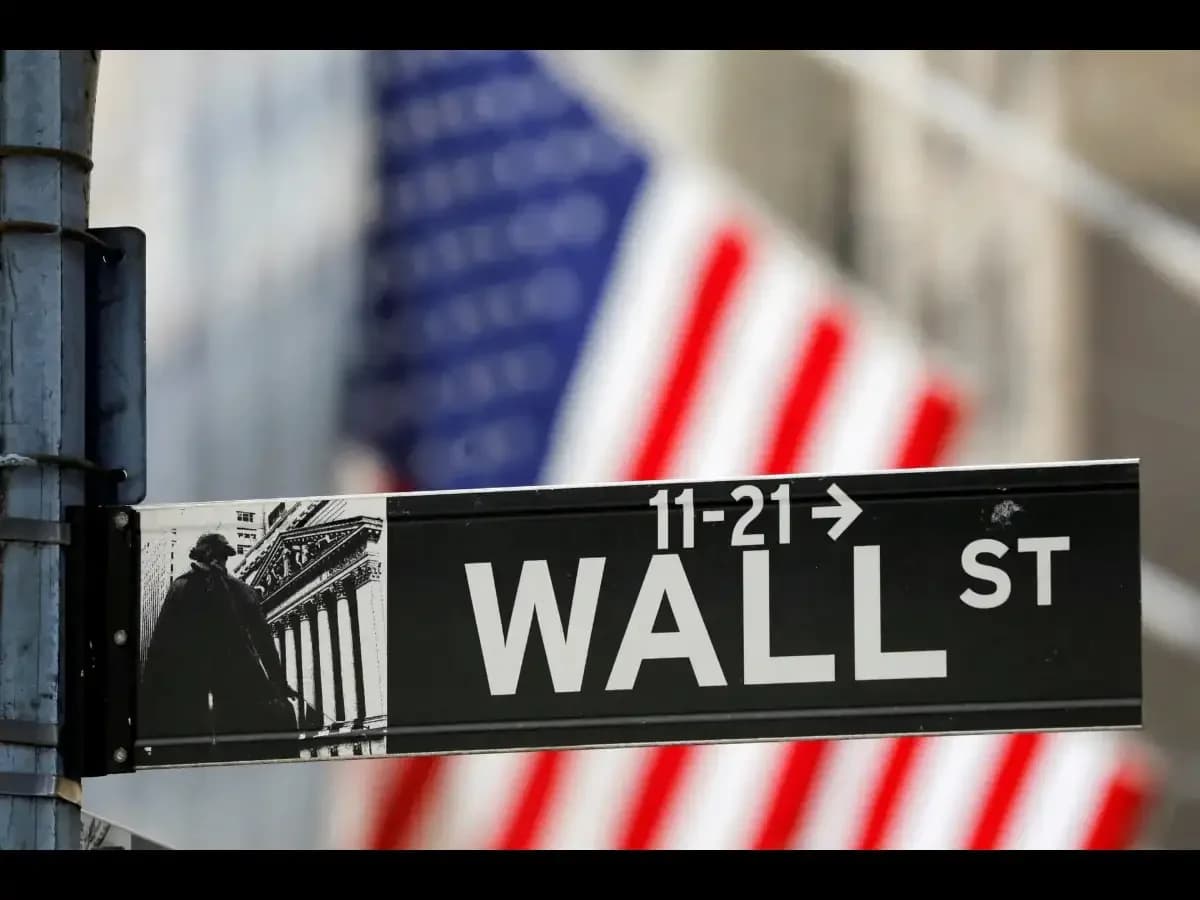
Wall Street experienced broad-based declines as rising oil prices intensified inflation fears and pushed U.S. bond yields higher. According to reports from The Economic Times, the S&P 500 dropped 0.7% on Tuesday, while the Dow Jones Industrial Average fell 299 points, or 0.6% as of 9:33 a.m. Eastern time. The Nasdaq composite declined 1.4%, with the technology-heavy index bearing the brunt of the sell-off. The latest data confirms that much of the pressure being felt by Wall Street is coming from the combination of bond market movements and commodity price increases, with U.S. stock market indices opening in the red as investors displayed caution over rising oil prices, higher global bond yields and renewed military tensions between the U.S. and Iran. As per Bloomberg, stocks entered September with double-digit year-to-date returns and rising earnings expectations, but volatile oil prices and potential Fed rate hikes have given investors reason to worry heading into the historically weakest month for stocks.
Global bond markets experienced unprecedented selling pressure as yields rose to their highest levels in decades following escalating Middle East conflict and Federal Reserve concerns. According to The Economic Times, the 10-year Treasury yield rose to 4.79%, creating additional headwinds for Wall Street stocks across all major indices. The 30-year Treasury yield reached 5.27%, responding most quickly to geopolitical events and nerves about government deficits. The bond market sell-off was triggered by Federal Reserve Chairman Kevin Warsh's remarks at the annual Jackson Hole Economic Policy Symposium on Friday, where he said inflation was "concerning." This prompted investors to reassess the odds of a rate hike at the Fed's upcoming meeting, with the U.S. national debt topping a record $40 trillion in August adding to fiscal health concerns. As per Bloomberg, US bond yields continued their march higher on Tuesday, with the 10-year yield rising to 4.75%, its highest intraday level since January 2025, before ticking down to 4.76%, while the 30-year climbed to 5.27% before pulling back to 5.24%. Treasury Secretary Scott Bessent announced the US government would buy back more debt in a bid to lower rates, but the market's reaction proved short-lived as 30-year mortgage rates have risen to a one-year high of almost 6.7% following spikes in bond markets.
Rising oil prices continued climbing, putting more pressure on inflation expectations and contributing to the market sell-off, according to The Economic Times. Brent crude rose 2% on Tuesday and climbed above $92 per barrel, as markets opened with the global oil benchmark reaching new highs. The combination of higher energy costs and rising bond yields has created a challenging environment for investors, with inflation fears intensifying as commodity prices continue their upward trajectory. Investors worry that a sustained increase in the price of oil could push overall inflation higher, making it harder for central banks to ease monetary policy. The weakness comes as investors speculate over the likelihood of elevated energy prices would drive up cost inflation and affect the Federal Reserve's monetary policy outlook. According to Bloomberg, crude oil prices remained elevated after the US and Iran returned to a hot war, with two oil tankers struck while attempting to exit the Strait of Hormuz in the latest sign that the conflict could reescalate. Such movements on global bond markets affect rates at which the US government can borrow money at, but also influence rates people pay for mortgages, car loans and credit cards.
The Job Openings and Labor Turnover Survey (JOLTS) showed job openings ticked up just slightly in July, providing a somewhat stable read on hiring ahead of the monthly jobs report on Friday. According to Bloomberg, data from the Institute for Supply Management showed that US manufacturing activity expanded for the eighth month in a row, though the sector's rate of expansion slowed just slightly. The mixed economic data comes as stocks entered September with solid gains from August, but investors remain cautious about the historically weakest month for equities. Rising rates can make borrowing and spending less attractive, which risks dampening economic growth if consumers cut back and businesses halt investment. The combination of elevated oil prices, rising bond yields, and potential Fed rate hikes has created an uncertain environment for markets, with uncertainty around the war in Iran, bond market sell-offs, and speculation about the Fed's next interest rate move keeping buyers on the sidelines. Barr noted that the broader economy remains on solid footing, helped by investment in artificial intelligence technology, and described the labor market as stable, with unemployment relatively low, suggesting policymakers have room to focus on persistent price pressures.