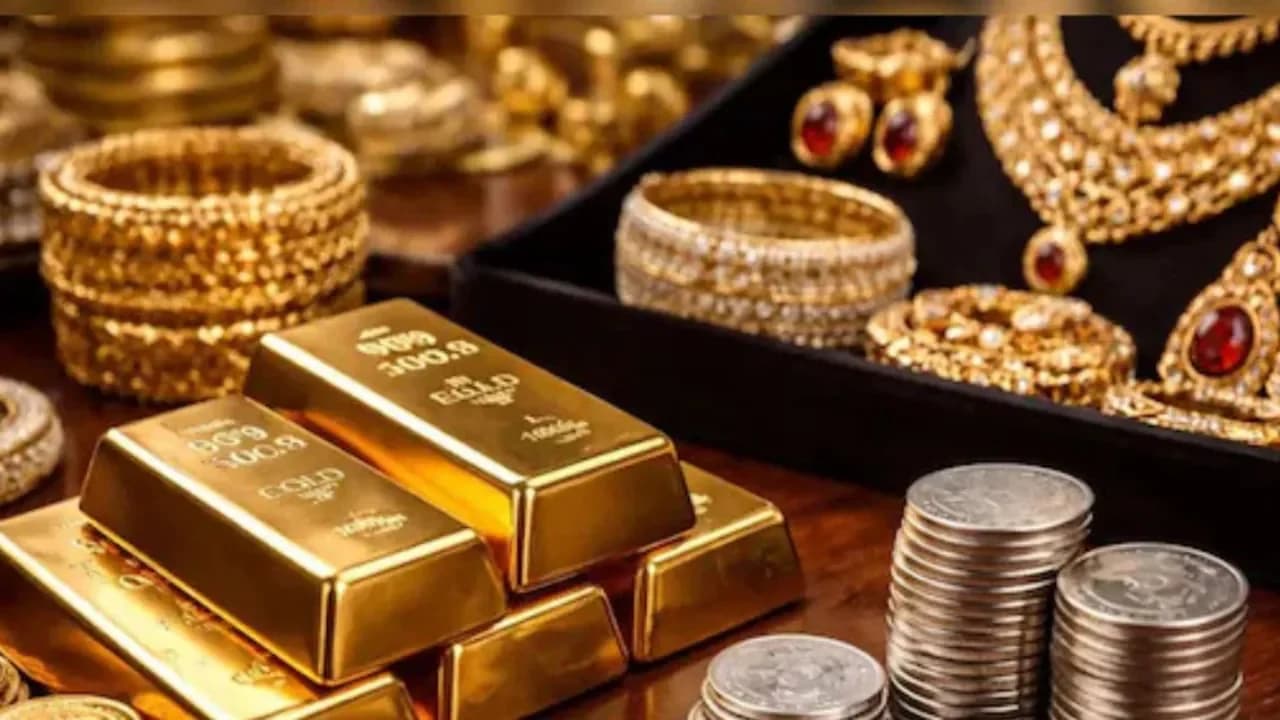
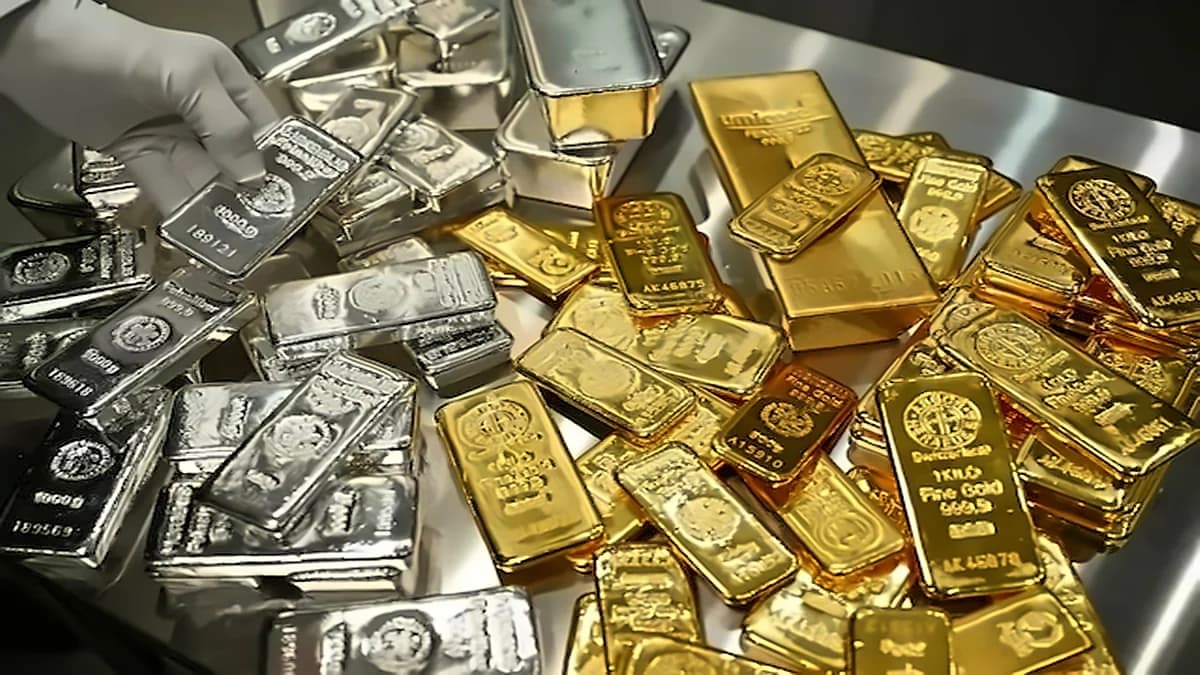
Gold prices dropped 1.5% to $4,507.88 per ounce as of 7:30 pm Indian time, extending losses on Tuesday and hovering close to a one-and-a-half-month low. According to reports from The Financial Express, the metal had earlier touched its lowest level since March 30 at $4,479.54 in the previous session on Monday. Other precious metals also declined significantly, with silver falling 6.01% to $73.9 per ounce, platinum slipping 3% to $1,919.2, and palladium dropping 3.9% to $1,359.9. The latest decline saw gold fall as much as 3% towards the $4,500-per-oz. level, wiping out all its gains from the past two trading weeks, as reported by Reuters.
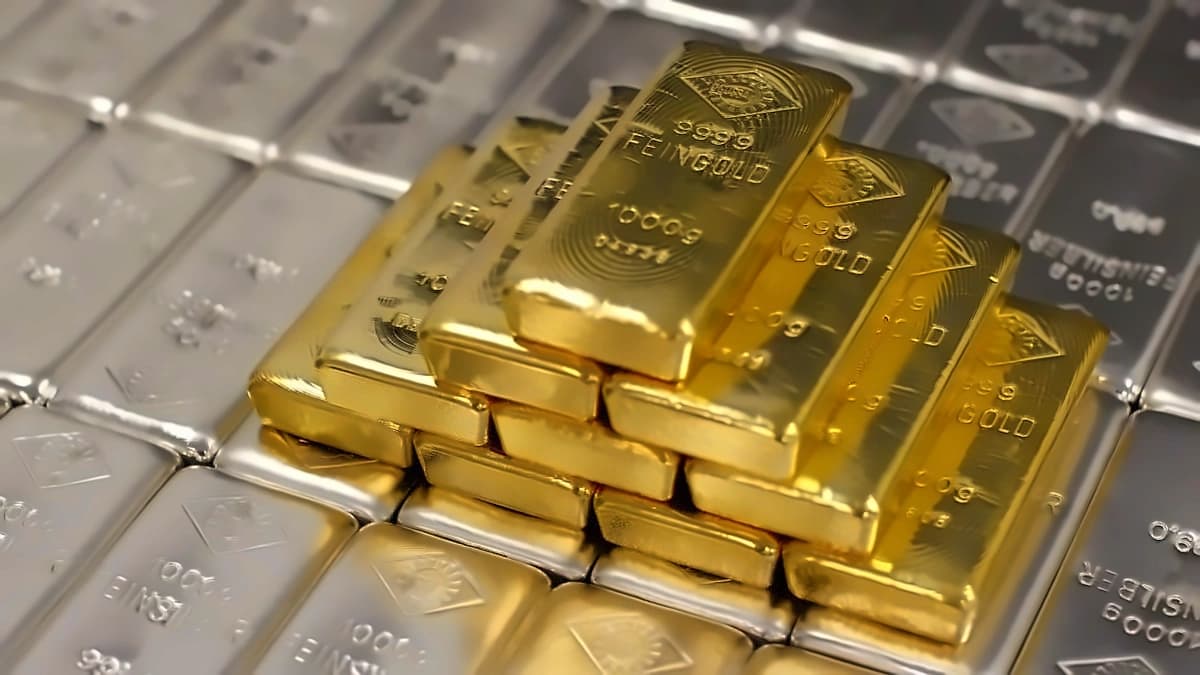
Market sentiment remained under pressure as investors reassessed the outlook for US monetary policy amid escalating geopolitical tensions in West Asia. As reported by Reuters, analysts said concerns over prolonged instability in the Persian Gulf were strengthening expectations that the US Federal Reserve may keep interest rates elevated for longer to contain inflationary pressures. ActivTrades analyst Ricardo Evangelista told Reuters that "Hawkish Federal Reserve expectations, driven by inflationary fears stemming from a protracted standoff in the Persian Gulf, are weighing on the precious metal." Following the latest developments, the market is now pricing in a more than 50% chance of a rate hike next January, according to Kalshi.
Benchmark 10-year US Treasury yields remained near more than one-year highs on Tuesday, with rising Treasury yields typically reducing the appeal of gold because the metal does not offer interest income, increasing the opportunity cost of holding it. According to The Financial Express, Brent crude oil prices eased slightly but stayed above $110 per barrel after disruptions linked to the West Asia conflict effectively shut the strategically critical Strait of Hormuz. The commodities have been weakened by the Middle East conflict, as the closure of the Strait of Hormuz invoked worries of a global energy crisis and kept inflation concerns high. As reported by Reuters, sell-offs across precious metals occurred due to a strong dollar on Friday, as well as global increases in bond yield rates.
On the geopolitical front, US President Donald Trump said he had paused a planned attack on Iran after Tehran proposed peace talks, adding there was now a "very good chance" of reaching a nuclear agreement. As reported by The Financial Express, investors are closely tracking developments surrounding tensions between the United States and Iran, as any escalation could influence energy prices, inflation expectations and the Fed's policy trajectory. However, a lack of breakthrough in China-U.S. talks with respect to ending the war did little to assuage concerns over inflation and, by extension, higher interest rates. China offered little help in resolving the conflict and crude oil is moving up, further reinforcing the inflation trend which has been bearish for metals, according to Marex analyst Edward Meir.
Despite this week's drop, bullion remains up by 6% on the year, helped by a record rally in January that saw prices surge to a record of nearly $5,600 per ounce. However, ANZ Group Holdings analysts Daniel Hynes and Soni Kumari wrote in a note to Bloomberg that "inflation expectation, higher yields and a stronger dollar might put more pressure on gold." The Australian bank also deferred its $6,000 per oz. price target to mid-2027 from early next year. Gold has lost 13% since the Iran war started in late February, highlighting the significant impact of geopolitical tensions on precious metals markets.