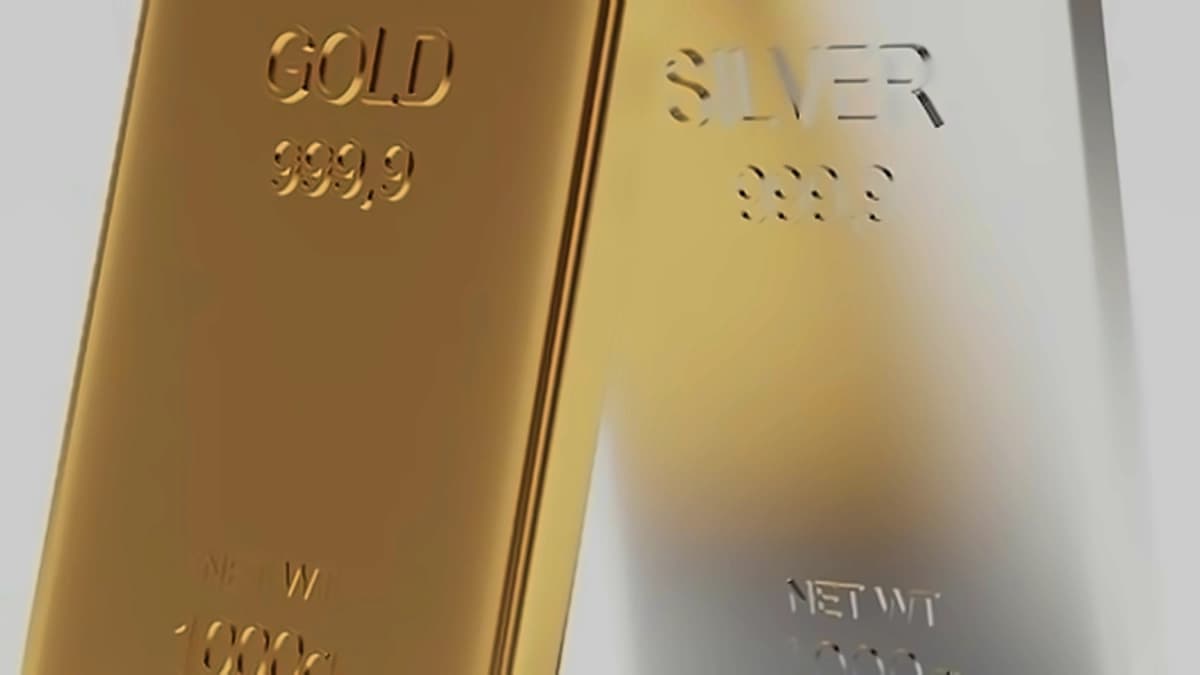
Gold prices tumbled to a seven-month low as hopes for a U.S.-Iran peace deal faded, fueling inflation concerns and increasing the likelihood of Federal Reserve rate hikes. According to The Economic Times, gold prices extended losses on Wednesday after falling to a seven-month low in the previous session, as fading prospects of a permanent U.S.-Iran peace deal heightened inflation concerns and bolstered expectations of Federal Reserve rate hikes. The metal was down 0.9% at $4,018.84 an ounce at 7:35 a.m. in Singapore, with silver falling 0.9% to $58.04 per ounce, platinum losing 0.9% to $1,537.78, and palladium inching 0.2% lower to $1,202.33. This represents a significant decline from the previous session's nearly 2% decline and continues the metal's on track for a fourth consecutive weekly decline.
Washington announced that negotiations with Tehran are due to begin Tuesday in Doha, while Iran's foreign ministry said on Telegram that it would send a delegation of experts but ruled out direct talks. As reported by NDTV Profit, Iranian Deputy Foreign Minister Kazem Gharibabadi said that Tehran intended to continue with plans to oversee traffic through the Strait of Hormuz, a move opposed by the US, Europe and Gulf Arab nations. However, Iranian officials added that both sides must still resolve ceasefire terms signed two weeks ago before addressing more complex issues on potential limits to its nuclear programme. These developments highlight ongoing differences over the future management of the vital waterway that has fueled global inflationary pressures.
Federal Reserve policy expectations have strengthened significantly, with traders pricing in roughly a 67% chance of a rate hike in September, according to the CME FedWatch Tool, reflecting firming expectations of tighter monetary policy. This represents a higher probability than the earlier expectation of 59%, indicating a shift toward more hawkish Fed policy. Federal Reserve Bank of Cleveland President Beth Hammack said on Tuesday it remains possible that she'll advocate for higher interest rates if inflation pressures fail to ease, underscoring a still-hawkish policy outlook. The U.S. Personal Consumption Expenditures Price Index surged 4.1% in the 12 months through May, matching economists' forecasts, while the US Supreme Court ruled that Federal Reserve Governor Lisa Cook can stay in her job while she fights President Trump's bid to oust her over unproven mortgage fraud allegations.
Investors now await the June ADP employment data, due later in the day, and nonfarm payroll figures on Thursday for further clues on Fed's rate path, which could shape near-term moves in bullion. According to The Economic Times, an OMFIF survey showed more central banks plan to cut dollar allocations over the coming decade as political risks associated with the U.S. currency rise. China's net gold imports via Hong Kong in May fell about 38% month on month to 53,674 metric tons, versus 86,715 tons in April, adding to the broader market pressures facing gold. The U.S. Personal Consumption Expenditures Price Index surged 4.1% in the 12 months through May, matching economists' forecasts, supporting the case for continued monetary policy tightening.

Commodities have delivered strong year-to-date performance in 2026, primarily driven by the surge in energy prices resulting from the Iran conflict. While energy prices have begun to fall after the recent signing of the U.S.-Iran memorandum of understanding, commodities still have provided a nearly 19% return year to date. The shift from a precious metals-led rally to a broader commodity advance strengthens the diversification case, since performance has come from multiple macro drivers rather than from a narrow safe-haven trade alone. Gold was one of the standout performers in 2025 and continued to lead early in 2026 as investors sought hedges against geopolitical risk and policy uncertainty. Outside of energy, industrial metals have benefited from supply pressures and firmer demand expectations, while agriculture has been supported by select crop and biofuel-related trends, and livestock has continued to advance on tight supplies.