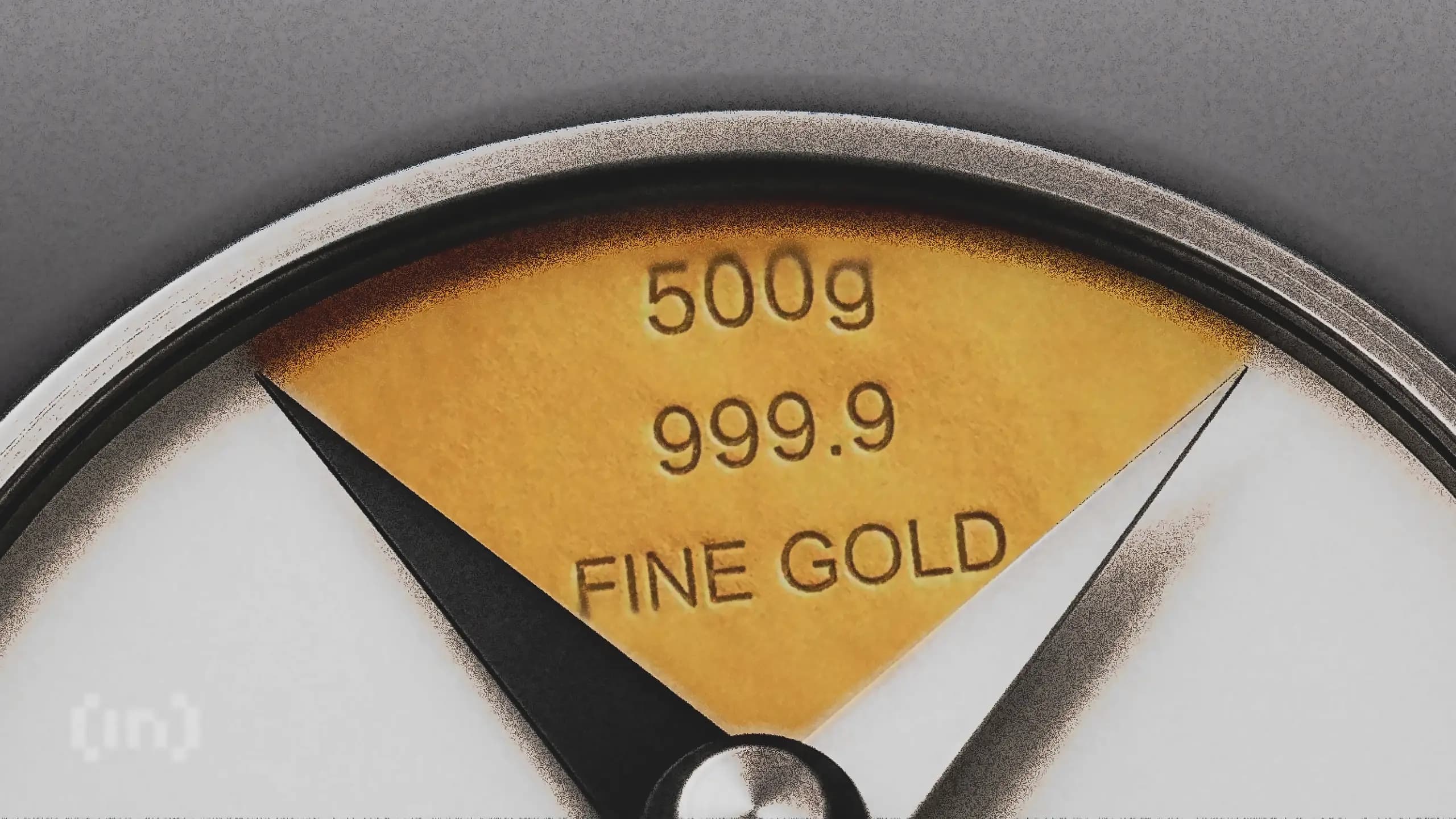
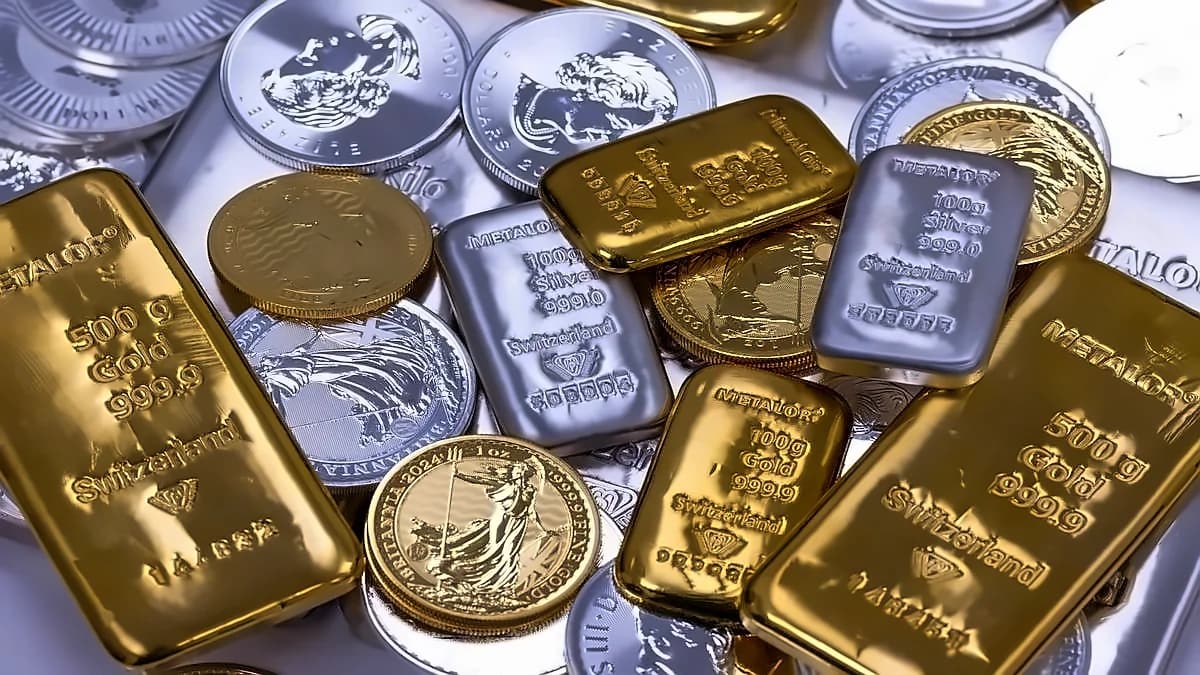
Gold fell below $4,500 per ounce on Friday as both spot prices and New York futures dropped approximately 0.94 percent, according to reports from OnChainHutan. The precious metal traded in a rough $4,497 to $4,536 range as contracts broke below the key psychological level during New York trading. This represents a significant pullback from this year's record highs, with the decline coming after gold had repeatedly punched through records above $4,900 per ounce driven by central bank buying, geopolitical stress, and expectations of aggressive Federal Reserve easing. However, gold's steadiness is now being tested by the Fed's hawkish pivot, with the metal trading around $4,500 per ounce reflecting a market in holding pattern.

The Fed's latest FOMC minutes, released May 20, tell a different story from earlier expectations. A majority of officials warned they would likely need to consider raising interest rates if inflation proves persistent, reversing the entire year's pricing assumptions. This shift is particularly concerning for semiconductor capital spending, which is now heading toward $200 billion in 2026. At the start of 2026, most Fed officials saw a path to lower rates this year, which was the baseline assumption baked into every capital budget, leveraged expansion plan, and AI-foundry commitment made this year. The Middle East conflict and AI-driven economic boom have reshaped the interest-rate outlook in a way that flips the cost of financing in the opposite direction from what companies planned for.
The semiconductor sector faces varying degrees of vulnerability to rate increases. TSMC generates enough cash flow to fund a substantial portion of its capex internally, with capex at 30% of revenue against gross margins that remain well above 50%, allowing the company to self-fund the bulk of its spending. Samsung is more exposed with a $73 billion commitment stretching across foundry and memory, both requiring years before reaching utilization efficiency. Intel faces the most severe version of this problem, still undercapitalized relative to CHIPS Act-funded ambitions, with higher rates narrowing the margin between subsidy-supported business case and actual free cash flow. Equipment vendors sit in between, with wafer fab equipment spending projected to grow 3-4% in 2025-2026.
According to OnChainHutan, futures markets are now fueling bets the Fed may hike rates later this year, with markets pricing in a roughly 58 percent chance of another move. This shift directly undermines the appeal of a non-yielding asset that earlier soared on expectations of aggressive easing. The pullback comes just months after gold repeatedly punched through records above $4,900 per ounce, with analysts surveyed by Investing.com still projecting a median 2026 gold price of about $4,916 per ounce in April. However, J.P. Morgan has lowered its 2026 average gold price forecast to $5,243 per ounce from $5,708, citing softer near-term investor demand and the ambiguity of ongoing geopolitical developments. The probability that the Fed will be forced to raise rates by 25 basis points before the end of this year has risen to 41%, from zero this time last month, as reported by multiple sources.
For crypto traders, the gold move matters significantly as this year's record-breaking gold surge above $4,900 per ounce ran alongside a powerful rally in Bitcoin, with both assets trading like alternative macro hedges on US policy risk and Middle East tension. As reported by OnChainHutan, if the market now believes the Federal Reserve is more likely to hike than cut, that same macro repricing could pressure high-flying digital assets, similar to how it has started to bleed some air from bullion's record run. Analysts have warned that if the Fed leans more hawkish into the summer, bullion could spend extended time below $4,500 before any renewed push toward the $4,700 to $5,000 band previously mapped out by technical strategists. The key issue is not whether the US-Iran stalemate resolves or whether gold breaks above its current range, but whether semiconductor companies' 2026 capex budgets survive the repricing of their cost of capital.