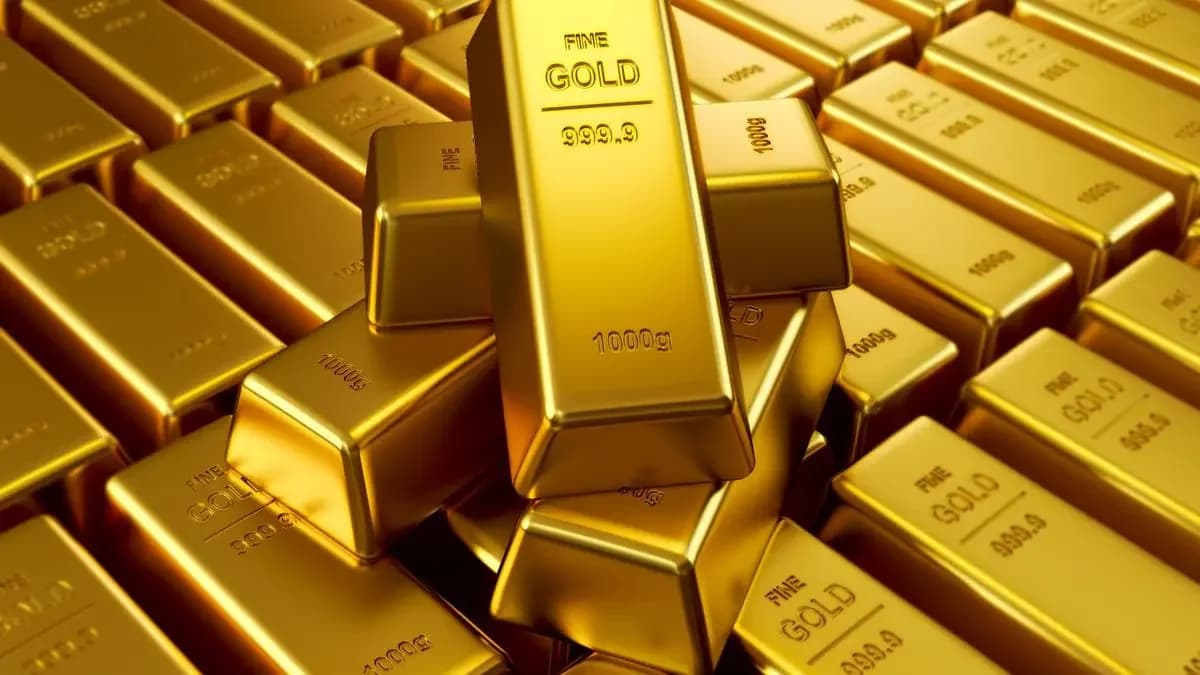
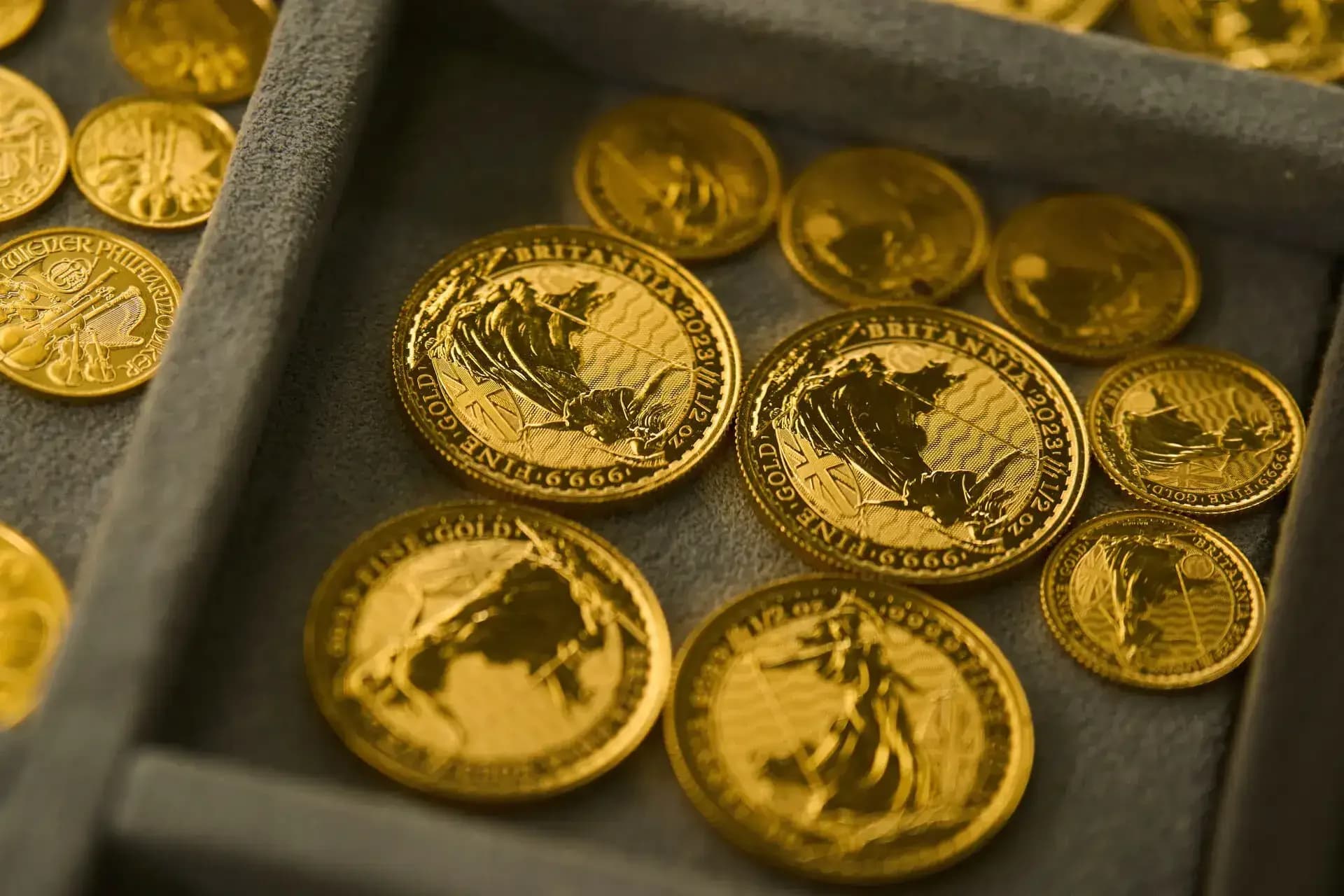
Gold prices declined on Friday as rising oil prices fueled inflation concerns and reinforced expectations of extended Federal Reserve rate hikes. According to reports from The Hindu BusinessLine, spot gold fell 0.6% to $4,063.39 per ounce by 0248 GMT, while US gold futures for December delivery dropped 1% to $4,072.90. Despite the daily decline, bullion remained on track for a 4% weekly gain as investors awaited key economic data. However, recent analysis suggests gold may face further selling pressure during market stress, with experts noting that despite being the most oversold asset class in Bank of America's ranking, gold may not necessarily benefit from further stock market turbulence.
The precious metal's decline was primarily driven by oil price movements, which have emerged as a key inflationary concern for gold investors. As reported by The Hindu BusinessLine, crude oil rebounded mostly over the past day, which remains one of the inflationary knockbacks pressuring gold, according to Ilya Spivak, head of global macro at Tastylive. Oil prices rose more than 1% on Friday but were set for a sharp weekly drop on expectations of de-escalation in the Iran conflict after the US election result. The higher energy costs from oil price increases can reinforce expectations that the Federal Reserve will keep interest rates elevated for longer, raising the opportunity cost of holding non-yielding bullion.
Market participants are closely monitoring Federal Reserve policy expectations amid ongoing inflation concerns. According to The Hindu BusinessLine, traders currently see a 68% chance that the Fed will raise rates in December, as per CME's FedWatch tool. On Thursday, two Fed officials made a case for modest and steady rate increases to tackle above-target inflation. The higher energy costs from oil price increases can reinforce expectations that the Federal Reserve will keep interest rates elevated for longer, raising the opportunity cost of holding non-yielding bullion. However, recent analysis from Standard Chartered suggests that in the short term, gold's role as a liquidity provider and the need to generate cash are likely to overshadow its role as a safe-haven asset.
Markets are currently in a consolidation phase as investors digest the US midterm election outcome, leaving gold largely rangebound. As reported by The Hindu BusinessLine, investors now await the US non-farm payrolls report due at 1330 GMT, with Fed Vice Chair Michelle Bowman also scheduled to speak later in the day. The upcoming data release is expected to provide crucial insights into the labor market and could influence Federal Reserve policy decisions. Despite being the most oversold asset class, gold has failed to attract safe-haven buying during recent market turbulence, with experts questioning whether the metal may no longer be a reliable port in the storm.
Other precious metals showed mixed performance amid the broader market uncertainty. According to The Hindu BusinessLine, spot silver dropped 1.3% to $49.12 per ounce, platinum slipped 1.9% to $1,389.54 and palladium fell 0.6% to $928.23, tracking weakness across the precious metals complex. All three metals were headed for weekly gains, indicating broader strength in the precious metals complex despite gold's daily decline. However, recent data shows silver has fallen 1.3% to $49.12 per ounce, while platinum slipped 1.9% to $1,389.54 and palladium fell 0.6% to $928.23, with the metal losing around a quarter of its value since the US and Israel first attacked Iran on February 28 and down 9% so far this year.