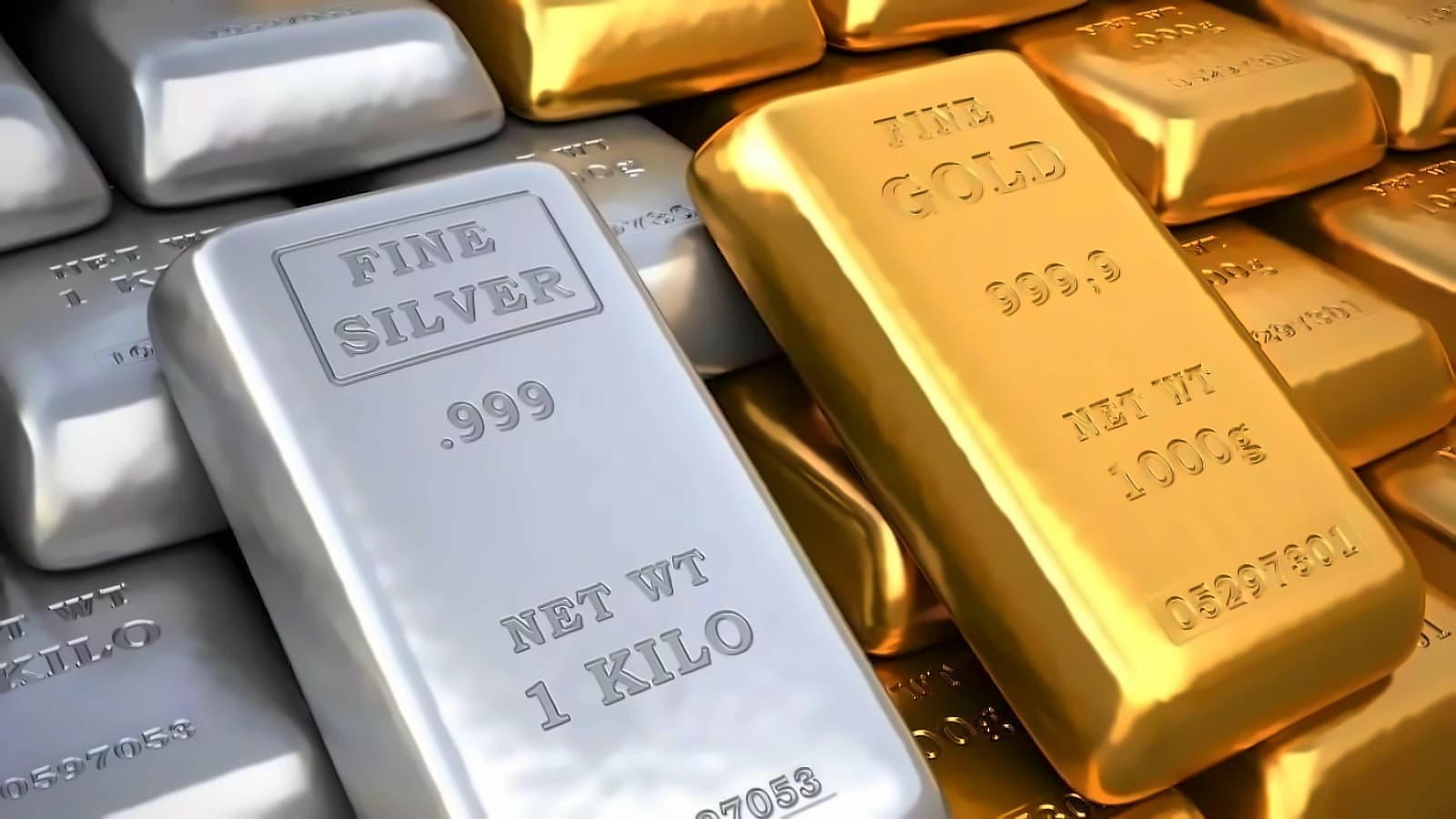
Gold has fallen below its 200-day moving average (200DMA) for the first time since October 2023, marking a significant technical breakdown that signals potential long-term weakness. According to latest reports, gold has dropped more than 20% from its January record high of $5,600 per ounce and is now trading below $4,300 per ounce. This break below the widely followed long-term technical indicator is often interpreted as a sign that long-term bullish momentum has weakened and that a broader trend reversal may be underway. The decline follows a massive rally where gold surged nearly 200%, climbing from below $2,000 per ounce in October 2023 to its record high, driven largely by the debasement trade thesis. As per Dr. Renisha Chainani, Head – Research at Augmont, gold fell to $4,290 and silver fell to $66 on June 8, 2026 — a two-month low — closing below its 200 DMA for the first time since October 2023, triggered by a stronger-than-expected US jobs report that revived Fed rate hike bets.
The selloff was driven by stronger-than-expected US jobs data that reinforced expectations of Federal Reserve policy tightening. As reported by multiple sources, a stronger than expected US jobs report on Friday prompted markets to price in a greater likelihood of Federal Reserve tightening. The CME FedWatch Tool now assigns a 25 basis point rate hike in December, which would lift the federal funds rate to a range of 3.75% to 4.00%. Robust employment numbers boosted the US dollar and Treasury yields, reducing the appeal of non-interest-bearing assets such as gold and triggering a broad-based decline in precious metal prices across global markets. The weakness in domestic prices also mirrored the RBI's decision to keep the repo rate unchanged at 5.25% in its latest monetary policy review.
On recent trading sessions, 24K gold prices stood at ₹1,22,184 for 8 grams, ₹1,52,730 for 10 grams, and ₹15,27,300 for 100 grams, down by ₹2,400, ₹3,000, and ₹30,000 respectively compared with previous sessions. 22K gold was priced at ₹1,12,000 for 8 grams, ₹1,40,000 for 10 grams, and ₹14,0,000 for 100 grams, with losses of ₹2,200, ₹2,750, and ₹27,500 respectively. 18K gold fell by ₹225 per gram to ₹11,455, with 8 grams priced at ₹91,640 and 100 grams at ₹11,45,500. Silver is currently testing support at its own 200DMA near $67 per ounce, with the white metal witnessing a sharp correction across all major quantities. The decline was even more pronounced for larger quantities, with 100 grams of silver dropping by ₹1,000 to ₹26,500.

According to technical analysis, Gold slipped below $4,450, heading for a weekly loss exceeding 2% as Middle East conflict sustained elevated oil prices, reinforcing inflation fears and Fed tightening expectations. Technically, Gold consolidates between $4,400-$4,600 and Silver within $71.00-$78.50, with a recommended buy-on-dips, sell-into-rallies approach across both metals. As per Kaynat Chainwala, AVP – Commodity Research at Kotak Securities, spot Gold and Spot Silver have both closed below their 200 EMA, a technical milestone that signals the global uptrend is losing momentum. However, a close below the 200 EMA doesn't automatically mean the bull market is dead. It's a warning flag that shifts the pressure onto buyers. Dr. Chainani from Augmont notes that across the last 10 episodes when gold fell below its 200 DMA, six-month forward returns averaged +3.5% (70% positive), and 12-month returns averaged +8.4% — suggesting medium-term recoveries are common. Gold is currently trading at deeply oversold levels near the critical support zone of $4,300, with a technical rebound of 3-4% anticipated from current levels.
Indian investors are in a somewhat different position from global investors, with the news being relatively more positive for domestic markets. Gold price in India typically follows international prices — but since the recent import duty hike, the differential has grown significantly. As per Dr. Chainani, Gold has gained over 16% in India since January 1, even as international prices have remained flat. The 15% import duty structure partially cushions the domestic price impact for Indian investors, making the correction more manageable for local investors. For retail investors, this means being cautious on rallies and waiting for proof that the metals have regained control before building larger positions. Long-term allocators should treat this correction as a positioning opportunity rather than a structural trend reversal, as the technical breakdown may present attractive entry points for investors with medium-term horizons.