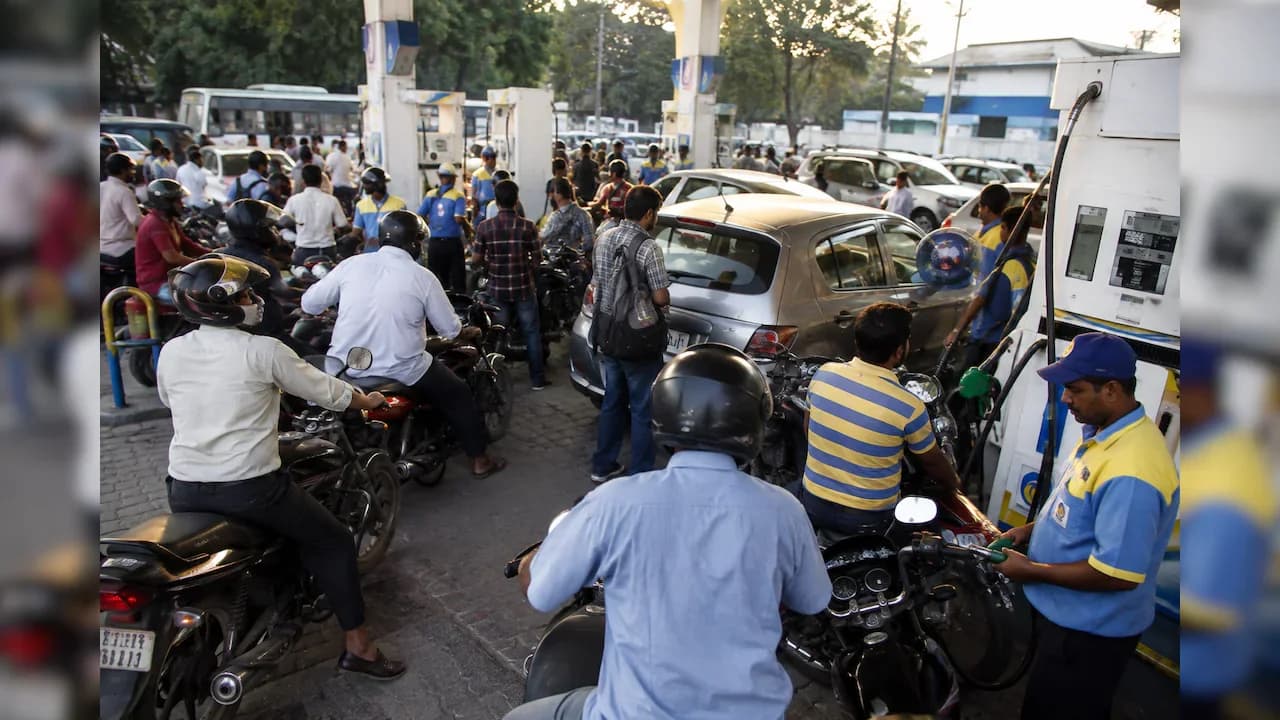
Fuel prices have declined for 15 consecutive weeks, with diesel prices estimated to decrease by about ₹3.50 to ₹4 per liter and gasoline prices potentially falling by ₹0.25 to ₹0.75 per liter, according to latest industry estimates. These price reductions are based on the four-day trading Mean of Platts Singapore, which serves as the pricing basis for refined goods in Southeast Asia. The sustained decline comes as global markets continue to react to recent developments in the Middle East, with threatened US sanctions falling short of market expectations and economic pressure viewed as a lower-risk path for physical supply. Gasoline averages 1,861.3 won in the latest trading, reflecting the continued downward pressure on fuel prices across the region.
As reported by NDTV Profit, current fuel prices across major Indian cities show petrol ranging from ₹102.12 per litre in Delhi to ₹115.69 per litre in Hyderabad. Diesel prices varied from ₹95.20 per litre in Delhi to ₹103.82 per litre in Hyderabad. The price differential reflects regional tax structures and local market conditions across different states. In Delhi, petrol continues to be priced above ₹100 per litre at ₹102.12, while diesel is retailing at ₹95.20 per litre. Mumbai has also continued to see petrol prices above the ₹110 mark, with petrol selling at ₹111.21 per litre and diesel at ₹99.82 per litre, a slight hike from the previous prices. In other major cities, petrol prices remain above ₹110 per litre in Bengaluru, Hyderabad and Kolkata, while diesel prices are below ₹100 in these cities, except in Hyderabad, where diesel is priced at ₹103.73.
According to local oil industry sources, global prices declined this week as threatened US sanctions fell short of the market's expectations and economic pressure was viewed as a lower-risk path for physical supply than military escalation. Prices were further pushed downwards by signals of a potential return to mediation to end the war and reopen the Strait of Hormuz after Iran said it had resumed talks with Oman. However, supply disruption risks remain an issue as the market is still constrained. Regional prices of both diesel and gasoline declined because of rising refined products outflows from China due to renewed refined product export allowances, and also due to incremental flows from the US and India. The source noted that regional diesel and gasoline prices trended downward for the week due to supply increases from both India and China.
As reported by NDTV Profit, volatile crude prices in international markets do not often lead to changes in domestic fuel prices, as several factors are considered by state-run oil marketing companies. These include rupee-dollar exchange rate, refining costs, taxes, dealer margins, and other variables for determining daily fuel prices. The pricing mechanism ensures domestic rates remain responsive to local market conditions rather than solely following international crude movements. The rupee-dollar exchange rate is another key variable, given that India relies heavily on imported crude. When the rupee weakens against the dollar, the cost of procuring crude rises, which can feed directly into higher retail fuel prices. Taxes levied by both the central and state governments make up a substantial portion of the final price, which is why petrol and diesel rates differ across states. Transportation costs and prevailing demand-supply conditions also factor into the retail price consumers see at the pump.