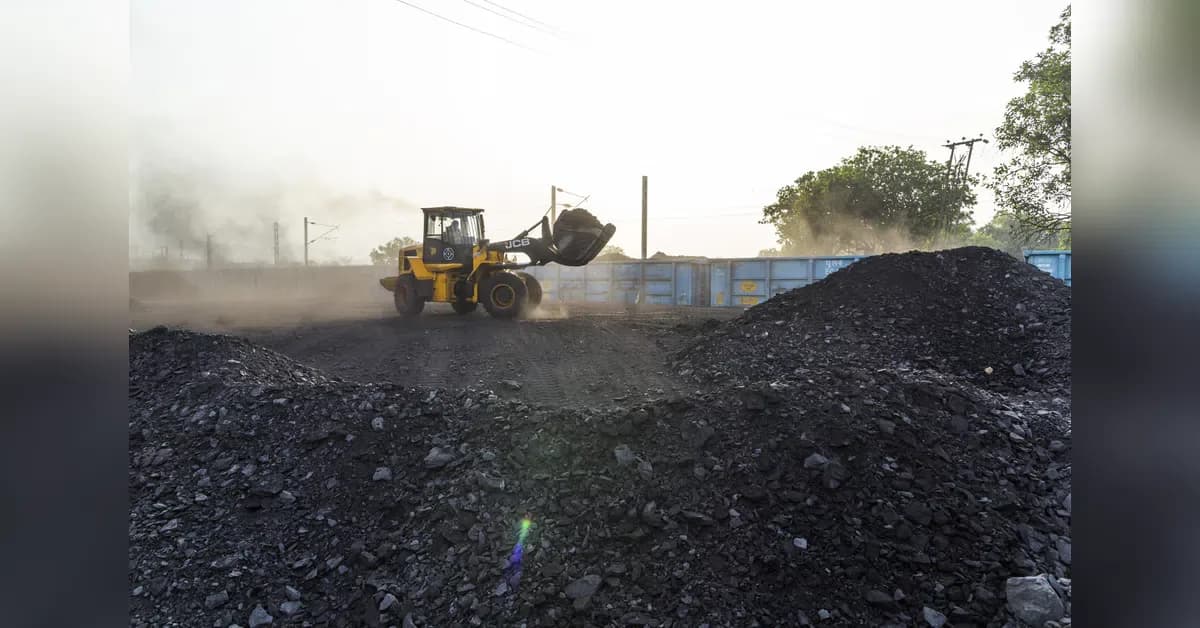
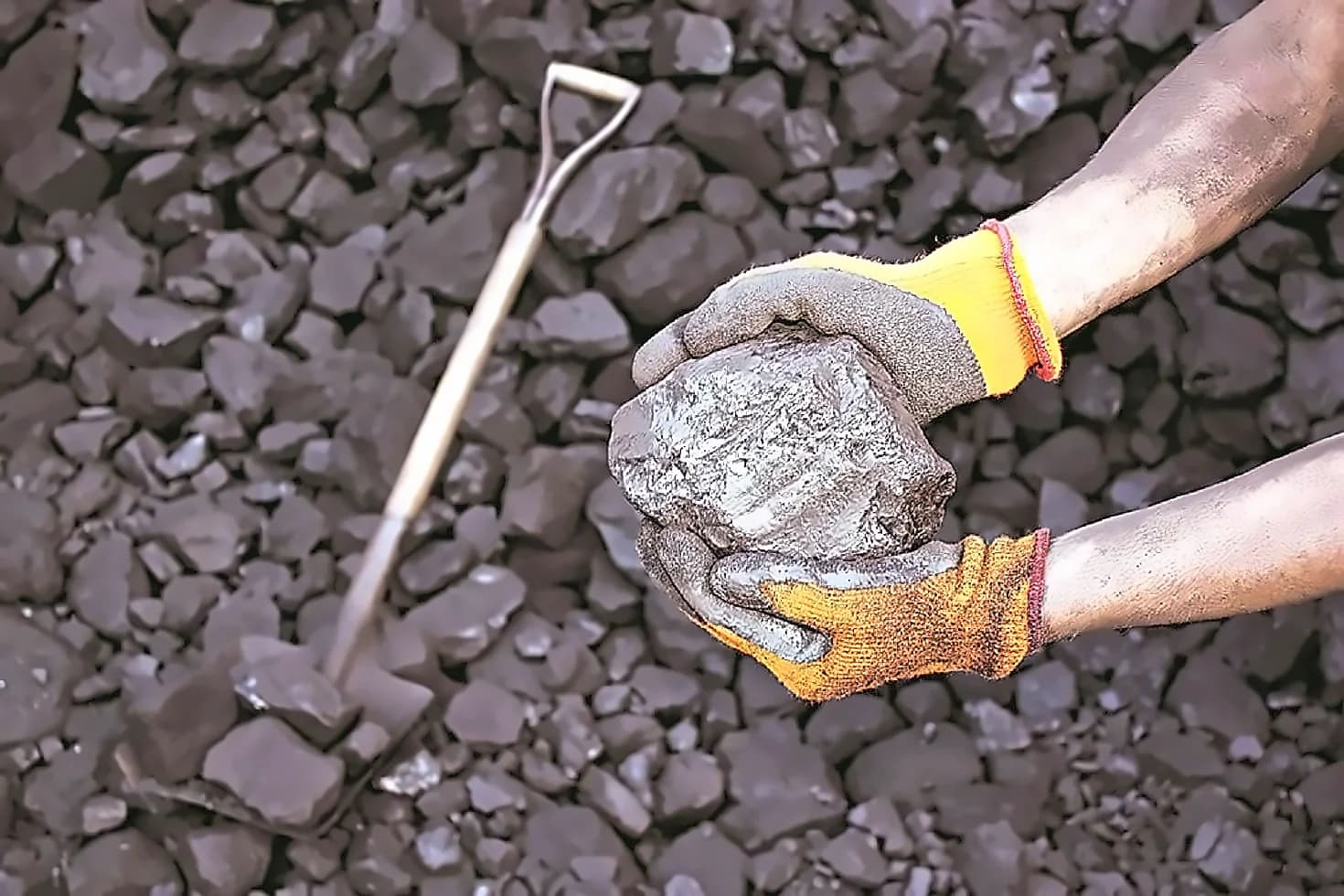
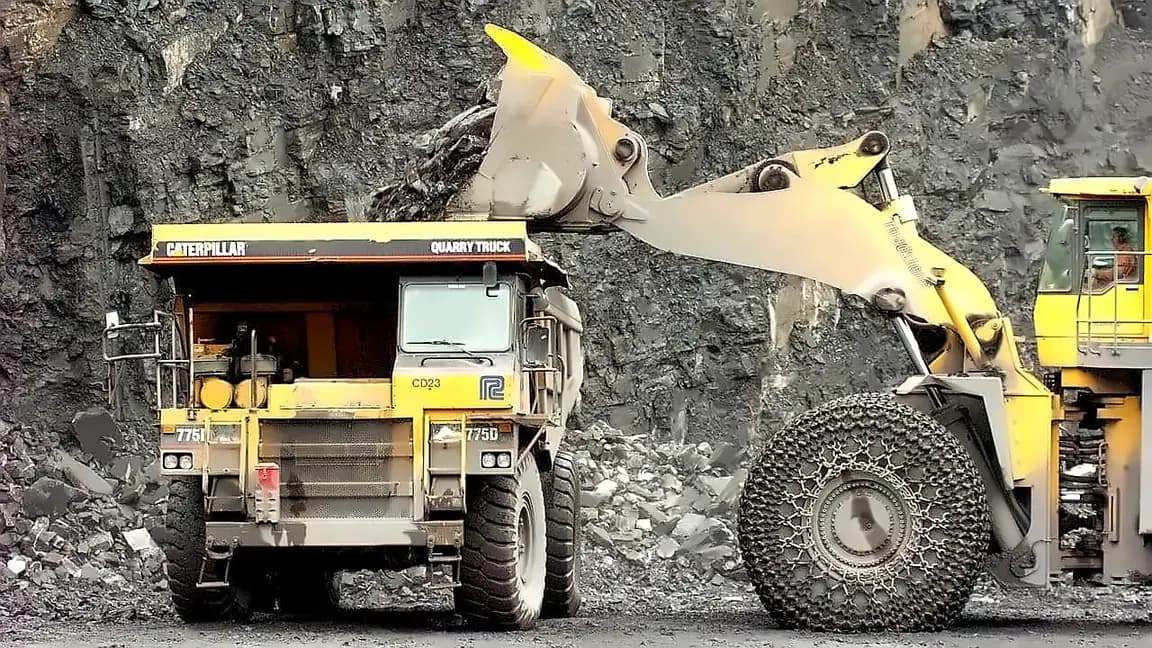
Coal production has commenced at the Urtan and Dhirauli mines in Madhya Pradesh, marking a significant milestone in India's commercial coal mining sector. According to the latest statement from the Ministry of Coal on Tuesday, May 19, 2026, the Urtan coal mine, located in Madhya Pradesh's Anuppur district and allocated to JMS Mining Private Limited, started coal production on May 15, 2026. The Ministry described the start of operations at Urtan as a landmark achievement because it is the first underground coal mine to begin production under the commercial coal auction regime. As per the Ministry statement, "Urtan has emerged as the first underground coal mine to commence production under the commercial coal auction regime, making it a landmark achievement in the reform-driven transformation of the coal sector to strengthen energy security."
In another significant development, coal production also commenced at the Dhirauli coal mine in the Singrauli district of Madhya Pradesh on May 17, 2026. As reported by the Ministry of Coal, the mine, allocated to Mahan Energen Limited, is expected to further strengthen coal supply from the resource-rich Singrauli region. The Ministry noted that "The mine allocated to M/s Mahan Energen Limited, started production on May 17, 2026, and is expected to further strengthen coal supply from the resource-rich Singrauli region." The mine is strategically located in a region that serves as a crucial source of thermal coal for power generation across India, with the Singrauli region already known as India's energy capital expected to further consolidate its position with the addition of output from Dhirauli.
According to the Ministry statement, the commencement of production from these two mines will enhance domestic coal availability and further accelerate the country's journey towards self-reliance in the energy sector. The Ministry emphasized that "The increased production from these mines will play an important role in meeting the rising domestic coal demand, reducing reliance on imports and supporting sustained economic growth." The operationalisation of both mines highlights the impact of progressive policy measures introduced by the government to streamline approvals, improve operational efficiency and promote ease of doing business in the mining sector. The Ministry noted that "The government is giving it a major push to underground mining as it has environmental advantages like lower land disturbance, reduced emissions and extraction at greater depths."
India's coal production has demonstrated remarkable growth, with coal production seeing a 70 per cent growth over the last decade - a massive increase combined with transparency, efficiency, and sustainability. As per the Ministry statement, state governments have been one of the biggest beneficiaries with nearly ₹2.5 lakh crore in auction premiums and royalties being received into various state government exchequers. The Ministry is implementing a clear roadmap to reach 100 million tonnes by 2029–30 for underground mining, while fast-tracking First Mile Connectivity projects to ensure that 90 per cent of coal will be loaded through mechanised and eco-friendly systems, including conveyor belts, Silo and Rapid Loading Systems, and water sprinklers. These reforms, including simplified procedures, transparent auction mechanisms, and strong push for private sector participation, have significantly improved operational efficiency and ease of doing business in the coal sector.