
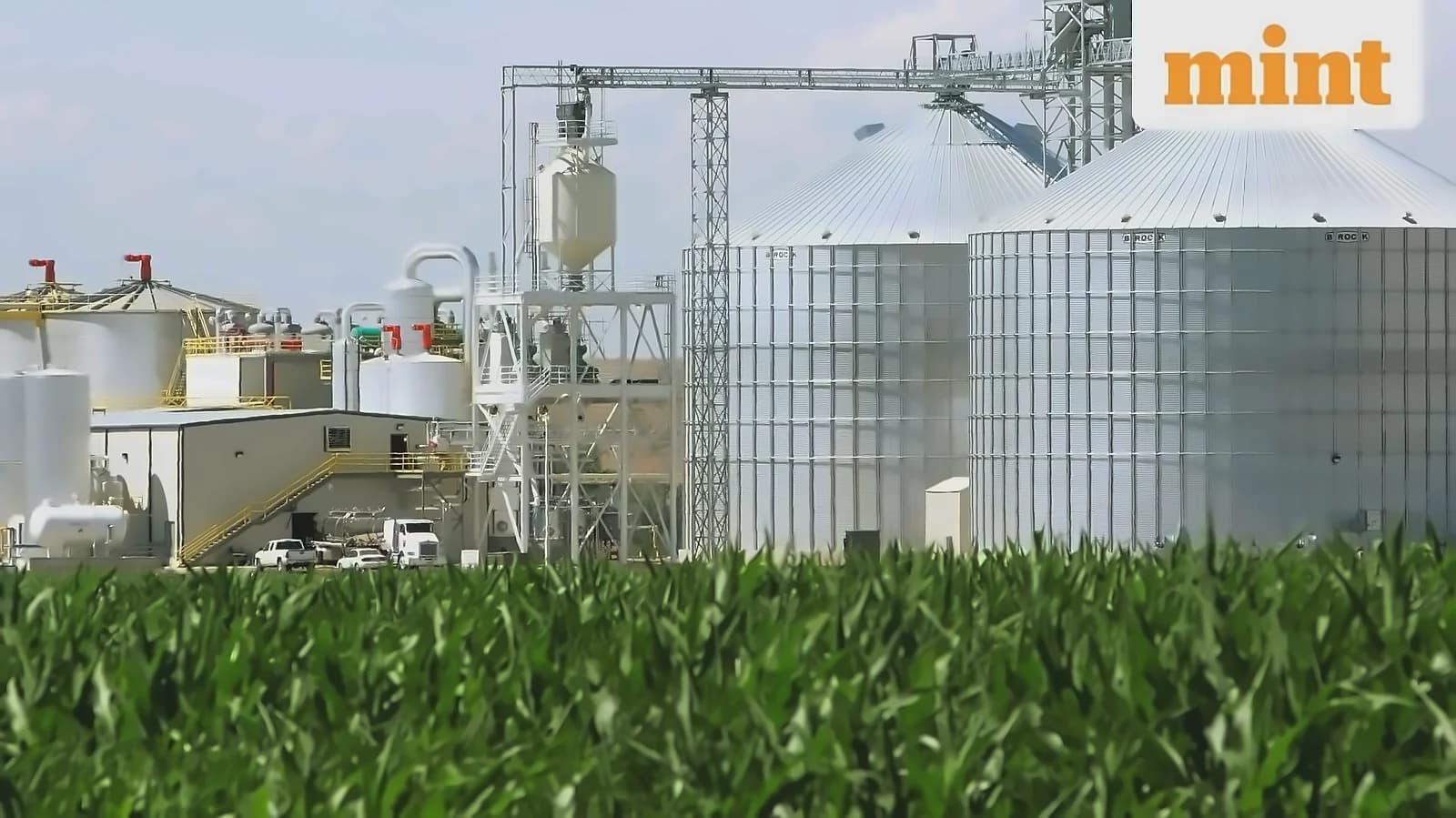
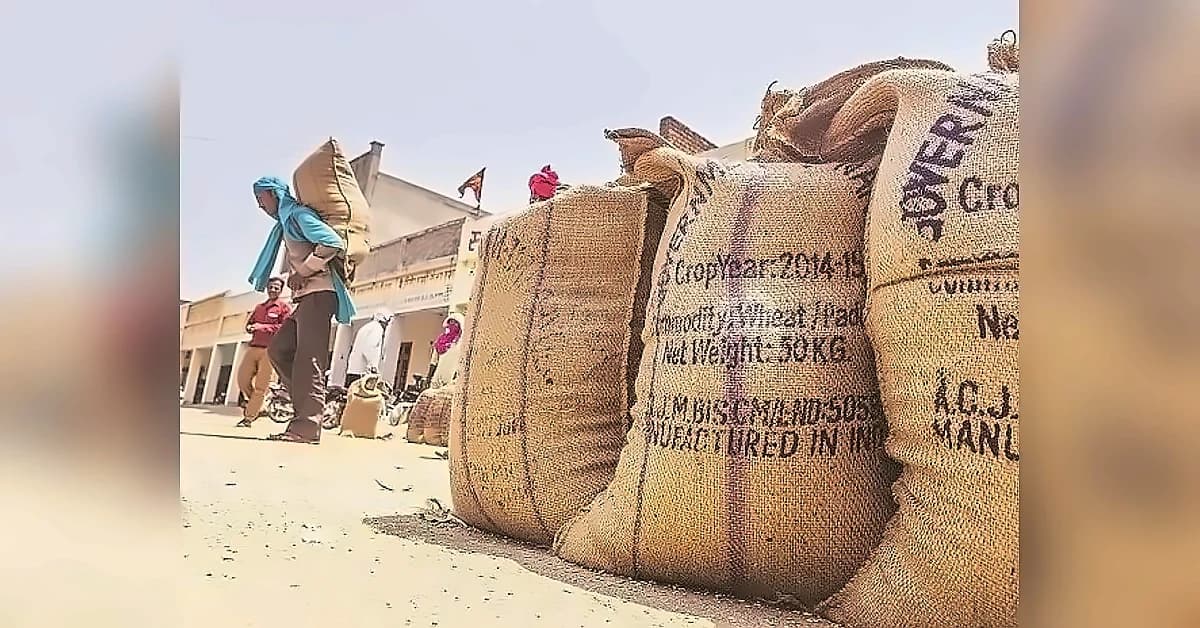
The Food Corporation of India has sold 23.42 lakh tonnes of rice for ethanol production in the current financial year up to July 31, according to details shared by Minister of State for Consumer Affairs, Food and Public Distribution Nimuben Jayantibhai Bambhaniya in a written reply to the Rajya Sabha on August 11. This represents a significant increase from the 8.96 lakh tonnes allocated in 2023-24 and 2.36 lakh tonnes in 2024-25. The latest figures show that rice supplied for ethanol production continues to remain significantly higher than in previous years, with the government allocating 52.22 lakh metric tonnes of rice for ethanol production in 2025-26, marking a substantial increase from the previous year.
Authorities have detected two cases where rice meant for ethanol production was allegedly diverted from its intended use in FY2026-27. As reported by the minister, the cases were reported in Uttar Pradesh and Madhya Pradesh. Government agencies detected irregularities in the movement of rice consignments linked to two distilleries, with state food departments subsequently taking action while FCI stopped further allocation of rice to the concerned distilleries. The minister clarified that while there were no instances of diversion of rice issued by FCI to allottee distilleries for ethanol production in the past three years, the current cases represent the first detected instances of such irregularities.
According to the minister, as of July 1, 2026, the government had 403.11 lakh tonnes of rice in its stocks, which was nearly three times the prescribed buffer requirement of 135.40 lakh tonnes for the period. The government spent ₹10,171.71 crore on carrying rice buffer stocks in 2024-25, according to audited figures presented in Parliament. This was more than three times the ₹3,143.89 crore spent in 2020-21, with the carrying cost having risen to ₹5,831.27 crore in 2023-24.
The government reported strong paddy procurement for the Kharif Marketing Season 2025-26. As of August 2, FCI and other government agencies had procured 849.20 lakh tonnes of paddy. The data points to a combination of high government rice stocks, rising allocation of rice for ethanol production and continued large-scale paddy procurement, highlighting the importance of monitoring subsidised or government-controlled foodgrain supplies once they are allocated for industrial purposes such as ethanol production.