According to investor and Capitalmind founder Deepak Shenoy, the Reserve Bank of India could play a direct role in reducing India's gold import burden through strategic reserve sales. As reported by Mint, Shenoy suggests the RBI should sell approximately 200 tonnes of its gold reserves annually to domestic markets, which could replace nearly half of annual gold imports and reduce dollar outflows by an estimated $30 billion. The RBI currently holds over 800 tonnes of gold and maintains a bloated balance sheet that Shenoy argues is too high for a central bank not conducting quantitative easing.
India's gold import situation has reached concerning levels, with gold imports standing at around $51 billion in FY25 and projected to rise to nearly $92 billion in FY26. According to Shenoy's analysis reported by Mint, this compares to net crude oil imports of roughly $102 billion, making gold a significant pressure point for the rupee and current account deficit. The country imported around 780 tonnes of gold last year, with demand coming from jewellery buyers, retail investors, exchange-traded funds, and digital gold platforms. Shenoy estimates India's current account deficit could widen to around $80 billion in FY26 from about $50 billion a year earlier.
Shenoy proposes implementing a government-backed gold repurchase program offering buybacks at prices just 2% below prevailing market rates, supported by transparent assay systems, digital receipts, and direct bank transfers. As reported by Mint, with an estimated 30,000 tonnes of gold held within India, even a 1% recycling rate could meet half of the country's annual demand. He also recommends eliminating capital gains tax on such transactions to encourage participation. The move would address current challenges where consumers face steep discounts, GST complications, and purity disputes when selling gold back into the market.
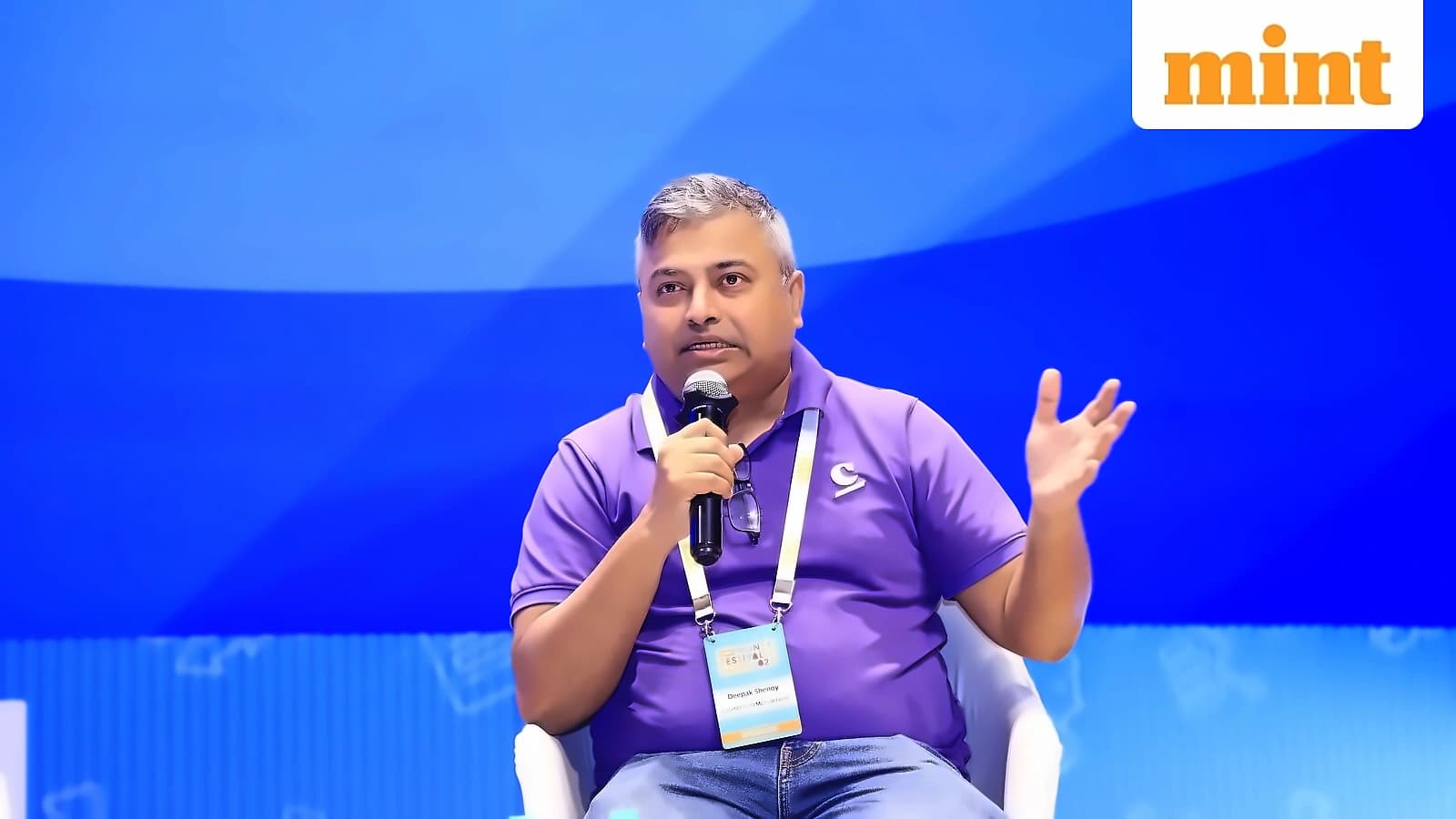
Another suggestion involves allowing gold ETFs to lend up to 10% of their holdings on a recallable basis, with interest income flowing back to investors. According to Shenoy's analysis reported by Mint, while the impact would be relatively small compared to overall imports, every additional domestic source of supply would help ease pressure on external balances. He acknowledges that RBI gold sales would absorb rupee liquidity, estimating the impact at around ₹3 lakh crore, but suggests the RBI could offset this through temporary or durable liquidity measures such as variable rate repos or government bond purchases.
Shenoy argues that official discouragement to buy gold may actually increase purchases rather than reduce demand, stating that 'telling people to not buy gold has the opposite effect' as Indian households inherently distrust the government and view gold as a trusted store of value. As reported by Mint, he suggests that cutting crude oil imports and gold by 25% each would bring the deficit down substantially, while noting that the RBI's gold sales would help stabilize the rupee and improve predictability for foreign investors. The move would reduce forex reserves by only $30 billion, which Shenoy considers a small amount compared to India's total reserves of over $500 billion.