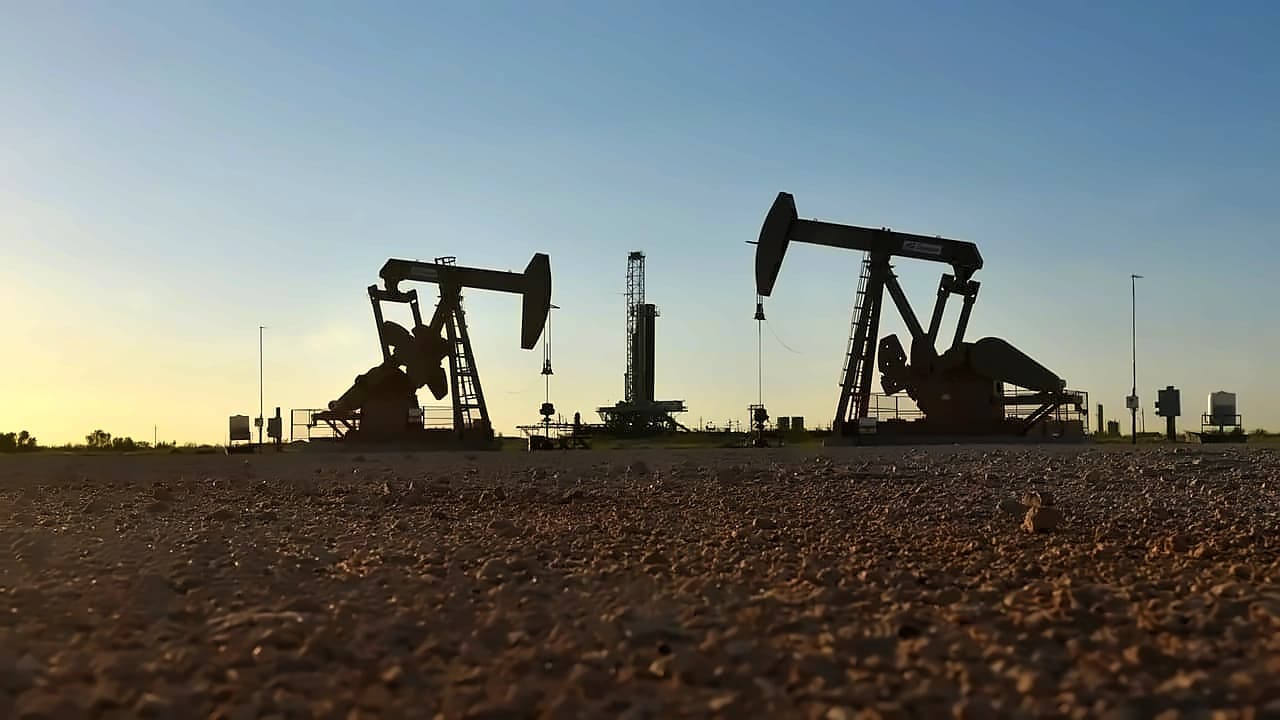
Oil prices experienced significant volatility as US forces intercepted a surprise Iranian attack targeting American troops in the Middle East, driving prices higher and renewing concerns over inflation and interest rate outlook. According to latest reports, this development has intensified geopolitical tensions that had previously eased following President Trump's decision to delay military action. The attack has renewed fears of potential supply disruptions that had been a key factor in previous oil price movements, with markets now reassessing the geopolitical risk premium. This latest escalation comes after U.S. crude inventories fell by around 3.3 million barrels in the week ended July 24, providing initial support for the oil price recovery.
Market participants remained cautious ahead of the U.S. Federal Reserve's interest rate decision, with investors awaiting signals on inflation and the future path of interest rates. According to Moneycontrol, currency movements remained muted as markets priced in a 33% probability of a 25-basis-point rate hike by the Federal Reserve. The consensus expectation is that the Fed will leave interest rates unchanged, but investors are widely anticipating another 'hawkish hold,' with Chair Kevin Warsh expected to reaffirm that inflation remains above target and that the central bank stands ready to tighten policy further if necessary. Warsh has repeatedly emphasised that restoring price stability is the Fed's primary objective, with inflation remaining above target for several years and energy prices still vulnerable to geopolitical developments.
Corporate earnings provided mixed signals during Wednesday's trading session, with Ford Motor surging nearly 4% in after-hours trading after the automaker topped earnings expectations and raised its 2026 outlook. However, SK Hynix dropped almost 2% despite reporting another record quarterly profit, as results came in below analyst estimates. Visa also fell more than 1% after the payments company issued weaker-than-expected guidance, highlighting the varied performance across different sectors. During Tuesday's regular session, the Dow and S&P 500 gained 1.03% and 0.21%, respectively, while the tech-heavy Nasdaq Composite slipped 0.22%, reflecting the divergent sectoral performance.

Gold prices experienced a modest decline as spot gold slipped 0.1% to $4,021.87 per ounce and U.S. gold futures for August delivery declined 0.4% to $4,021.70 per ounce. As reported by Moneycontrol, the precious metal faced pressure from a stronger U.S. dollar that weighed on sentiment. Silver was little changed at $57.16 an ounce, having given up more than 2% in the previous session. Platinum remained flat, while palladium inched higher in the mixed precious metals performance. However, the current market environment presents a complex scenario where gold is caught between its traditional role as a safe-haven asset and headwinds created by restrictive monetary policy.
In the currency market, the U.S. dollar remained close to a one-month high, supported by renewed Middle East tensions and expectations surrounding the Fed's policy decision. As reported by Moneycontrol, the Australian dollar fell 0.37% to $0.69475 after softer-than-expected inflation data reduced expectations of further interest rate hikes by the Reserve Bank of Australia. The U.S. dollar's resilience reflects broader market positioning ahead of the Federal Reserve's policy announcement, with the currency benefiting from both geopolitical tensions and monetary policy expectations.