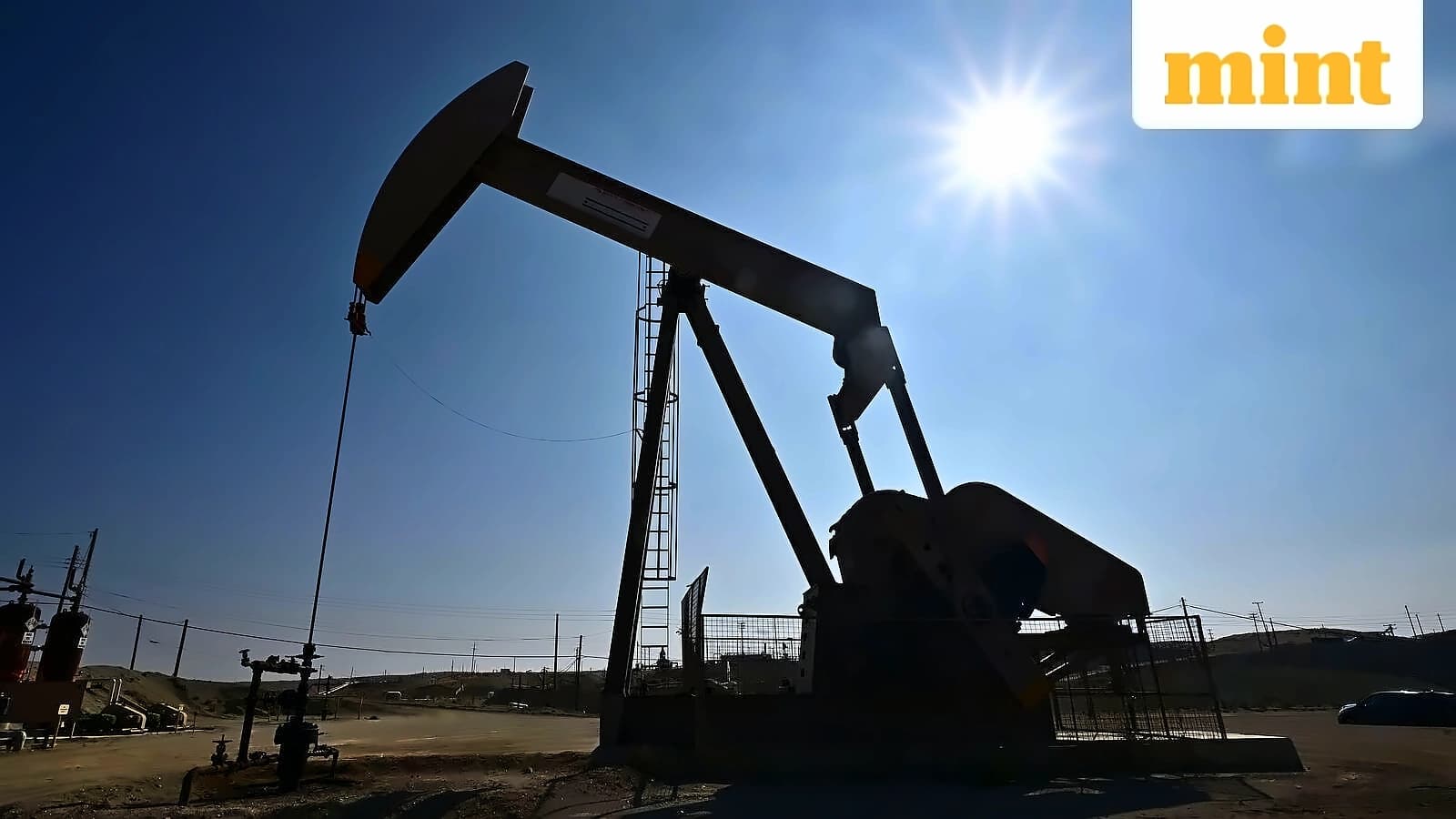
Crude oil prices continued their downward trajectory on Thursday, with Brent crude trading 1.48% lower at $72.79 per barrel and West Texas Intermediate (WTI) hovering around $69.15 per barrel, down 1.69%, according to Investing.com data. The latest decline brings crude oil prices to their lowest level since February 27, 2026, which was one day before the United States carried out targeted attacks against Iran. Over the last five trading sessions, Brent crude has declined 8.5% to current levels, while over the past month, both benchmarks have seen a sharp decline of more than 24% and over the last three months, prices have dropped 28%. The latest decline represents a more than three-month low and continues the bearish trend that has seen U.S. crude drop nearly 10% this week.
The latest price decline is attributed to positive sentiment around the peace deal between the United States and Iran, as reported by Investing.com. The MoU between Iran and the United States highlights that Iran has agreed to give up on its nuclear ambitions in exchange for the Western nations lifting sanctions. According to CNN reports, President Donald Trump dismissed claims about Iran, stating that there is no visit scheduled for the International Atomic Energy Agency and reiterating that the agency will be sending inspectors on the ground in Iran, but in due time, as there is 'no rush' for the same. The maritime oil trade traffic is closing in on normalising to its pre-war levels through the Strait of Hormuz, with vessel traffic doubling over the last 24 hours to its highest level since late February. Latest reports suggest that at least 34 vessels exited the key trading passage into the Gulf of Oman, including at least 14 tankers and 20 cargo ships, while another 20 vessels entered the Persian Gulf comprising nine oil tankers and 11 cargo ships. However, concerns remain on the timeline of the final peace agreement as the US and Iran have 60 days from the agreed MoU to come up with the final West Asia deal.
The current price decline represents a significant recovery from the surge that occurred after the first US attack on Iran on Saturday, February 28, 2026. As reported by Investing.com, crude oil prices surged after the first US attack on Iran and as soon as markets re-opened on Monday, the commodity prices skyrocketed from $71 per bbl pre-war levels. The latest decline brings oil prices back to levels that were last seen during the pre-war period, indicating the market's sensitivity to geopolitical developments and their impact on supply chain normalization. Despite prices dropping to pre-war levels, investors remain cautious as oil prices are highly sensitive and linked to the developments in the West Asia negotiations, with any further escalations from parties involved likely to fuel oil prices back to higher levels in the global market.
The decline in crude prices is being viewed as a positive development for India, one of the world's largest oil-importing nations, according to Zee News reports. "This excessive volatility is favourable to India, which is growing at a steady pace. The crash in Brent crude has removed the macro headwinds for India. The rupee has stabilised and FII selling appears to have tapered off. This is positive for the market," experts noted. Market sentiment improved as signs emerged that oil tankers stranded in the Gulf since the onset of the Iran conflict were preparing to resume movement through the strategically important waterway. In addition, diplomatic efforts involving the US, Iran and regional stakeholders have also helped ease supply concerns. The US Secretary of State Marco Rubio arrived in the Gulf region on Wednesday to speak to the United Arab Emirates, Bahrain, and Kuwait about the peace deal, while negotiations continue towards a final agreement.
The analysis suggests a cautious approach to crude oil trading, with The Hindu BusinessLine recommending traders to stay out for now and initiate fresh short positions if crude oil futures (July) rise to ₹7,900. The recommended trading strategy includes placing a stop-loss at ₹8,300 and tightening it to ₹7,500 when prices drop below ₹7,000, with exit at ₹6,500. Notably, a breakout above ₹8,200 could turn the outlook positive, with resistance above ₹8,200 at ₹9,000. Despite the recent decline, analysts cautioned that uncertainties surrounding the Strait of Hormuz remain. Any disruption to shipping activity through the route -- which handles a significant share of global oil trade -- could once again trigger volatility in energy markets. Meanwhile, gold prices also declined 0.2% to around $4,000 per ounce, with the precious metal down more than 11% in one month and nearly 8% so far in 2026, as traders tend to buy less quantities during an overall easing geopolitical sentiment and an elevated US dollar rate.