Oil prices gained more than 3% following President Trump's confirmation that China has agreed to purchase US crude oil and escalating tensions with Iran. Brent crude futures gained $3.24, or 3.06%, to $108.96 a barrel by 10:49 a.m. CDT, while US West Texas Intermediate futures were up $4.13, or 4.08%, at $105.03. According to Reuters, over the week, Brent has climbed 7.54% and WTI 9.7% on uncertainty over the shaky ceasefire in the Iran conflict. The positive sentiment was also reflected in domestic markets, with May crude oil futures trading at ₹9815 on the Multi Commodity Exchange (MCX), representing a 0.94 per cent increase from the previous close of ₹9724, and June futures at ₹9445, up by 1.02 per cent from ₹9350. As per Reuters, Commerzbank analysts noted that "the tone between the U.S. and Iran has once again become significantly more confrontational". However, economist Paul Krugman has raised concerns about the political implications, noting that "the price of gasoline has become a real flashpoint in the US political debate" and historically, presidents have had very little impact on the price of gasoline.
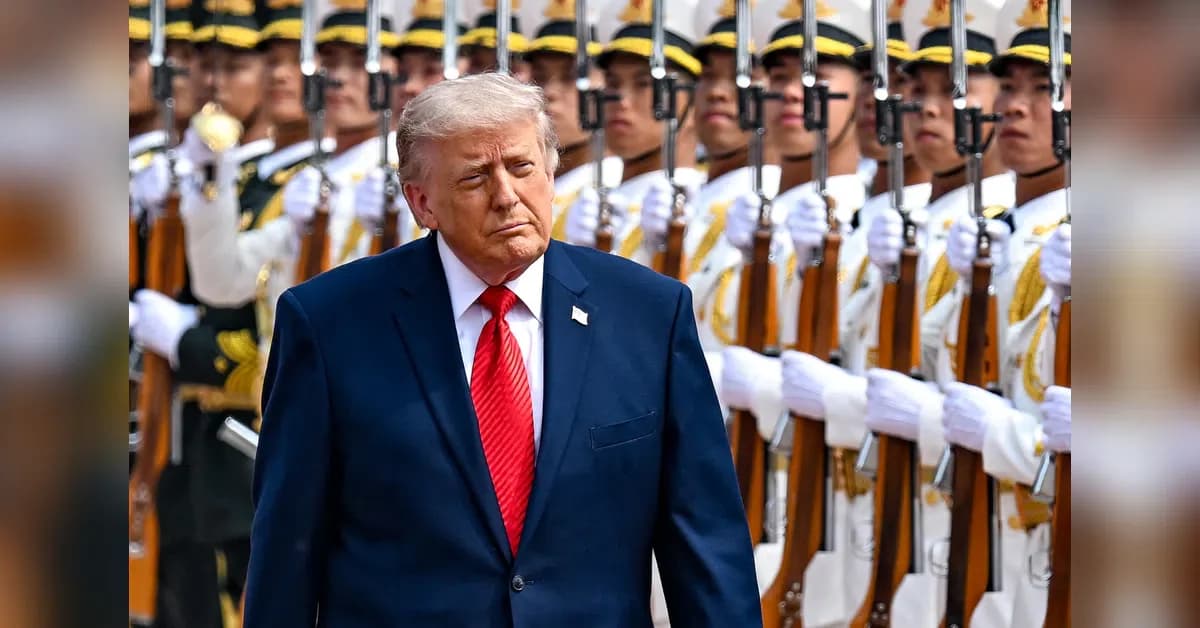
Trump's latest comments to Fox News indicate a hardening stance on Iran, with the President stating "I am not going to be much more patient. They should make a deal." According to Reuters, Iran's foreign minister Abbas Araqchi said Iran has "no trust" in the U.S. and is only interested in negotiating with Washington if it is serious, adding that Iran is prepared to go back to fighting but also prepared for diplomatic solutions. The White House revealed that US President Donald Trump and Chinese President Xi Jinping had agreed on the need to keep the nearby Strait of Hormuz shipping lane open. Trump explained that "The Chinese president doesn't like the fact that Iran is charging tolls for ships to cross Hormuz," highlighting the economic pressure Iran faces from shipping restrictions. Beijing has not mentioned Hormuz in its public statements from the summit, with China's Foreign Ministry stating "This conflict, which should never have happened, has no reason to continue" and emphasizing that negotiations are the right way forward. Among deals the market was looking for from the U.S.-China summit, Trump said China wants to buy oil from the United States and could lift sanctions on Chinese companies that buy Iranian oil.
The escalating tensions have significantly impacted US oil markets, with net exports of oil and petroleum products increasing from 2.9 million barrels a day before the Iran war to 5.8 million barrels a day currently. This dramatic surge is driven by very high prices that buyers in Europe and Asia are willing to pay for oil now that the Strait of Hormuz is closed. According to economist Paul Krugman, "We still have a looming crunch because a significant amount of oil demand is being met by drawing down inventories and we're kind of getting to crunch point there." Despite the US being a net oil exporter, gasoline prices have risen $1.50-$1.60 per gallon higher than before the war started, with diesel prices up even more significantly. The global situation has led to higher prices in the United States, with West Texas Intermediate, the benchmark price of the United States, rising from around $65 a barrel before the war to around $102 currently. As Krugman notes, "Most of us have little or no stake in the oil industry, but we buy gasoline and diesel and we buy products whose price ultimately includes the cost of gasoline and diesel. So higher oil prices hurt most Americans."
The oil market is experiencing additional pressure from supply constraints beyond the China deal, with CNBC reporting that markets are tracking efforts to keep the Strait of Hormuz open. Trump's latest disclosures confirm that China has agreed to purchase US soybeans, oil and liquified natural gas and other energy products, as reported by Fox News. The President also disclosed that China is committed to helping the US with Iran, highlighting the potential for expanded bilateral cooperation in the energy sector. CNBC notes that the Trump administration committed to selling US oil production to China, which puts additional constraints on supply and drives oil prices even higher. Energy Secretary Chris Wright told CNBC that "There's a natural energy trade there" between the world's two largest economies, with China being the largest oil importer and the US the biggest producer. "I suspect we'll see a growth in their oil imports from the United States," Wright stated, adding that China and other Asian buyers will eventually buy more oil from Alaska as the Trump administration ramps up production there. The combination of potential Chinese purchases and Middle Eastern supply disruption concerns is creating a complex supply-demand dynamic that continues to support oil prices at elevated levels.
The surge in oil prices has already begun affecting consumers in the United States, with Brent crude prices now about 45% higher than before the war began. As reported by Reality Tea, the increase in oil prices has started impacting fuel costs globally, with investors expressing concerns about prolonged disruptions in the region. Saxo Bank analyst Ole Hansen noted that "crude is trading higher on a combination of the Trump-Xi meeting doing little to bring us closer to a reopening of the Strait of Hormuz, and continued Ukrainian attacks on Russian refineries." Phil Flynn, senior analyst with Price Futures Group, said "The world has consumed its oil safety net at a historic rate. While strategic releases and demand reduction have prevented immediate chaos, the margin for error is shrinking rapidly. A prolonged closure of the Strait of Hormuz points toward tighter physical markets, potential refined product shortages, and upward pressure on prices in the coming weeks and months." The market's reaction reflects growing concerns about potential supply constraints and the strategic importance of maintaining open shipping routes through the Strait of Hormuz for global energy trade. Energy Secretary Chris Wright emphasized that "This is a card you can play once" regarding Iran's disruption to the strait, suggesting the current situation represents a unique opportunity for strategic energy partnerships.