Oil prices recovered on Thursday after suffering their steepest one-day decline in weeks, as President Donald Trump said the US is in the 'final stages' with Iran. Brent crude traded above $105 a barrel, recovering modestly after tumbling 5.6% in the previous session, while West Texas Intermediate hovered near $99 a barrel. The rebound came after Trump's comments to reporters stoked hopes for a deal between Washington and Tehran that would see a near-term restart of energy flows through the critical Strait of Hormuz. Despite the recovery, prices remain more than 40% higher than when the conflict began in late February, reflecting ongoing market uncertainty about the peace process.

Trump struck a mixed tone, telling reporters that a deal would either be reached or the US would do 'some things that are a little bit nasty'. As reported by The Hindu BusinessLine, Trump stated that the US may need to strike Iran again, while also hoping that the war with Iran would end 'very quickly'. He said Iran's leaders are 'begging for a deal' and that the US would attack Iran in the coming days if no agreement was reached. However, he expressed hope that the war with Iran would end 'very quickly'. His comments on the need to strike again came a day after he said he had paused a planned resumption of hostilities following a new proposal by Tehran to end the US-Israeli war. In his latest remarks, Trump said on Wednesday 'we'll see what happens' with Iran.
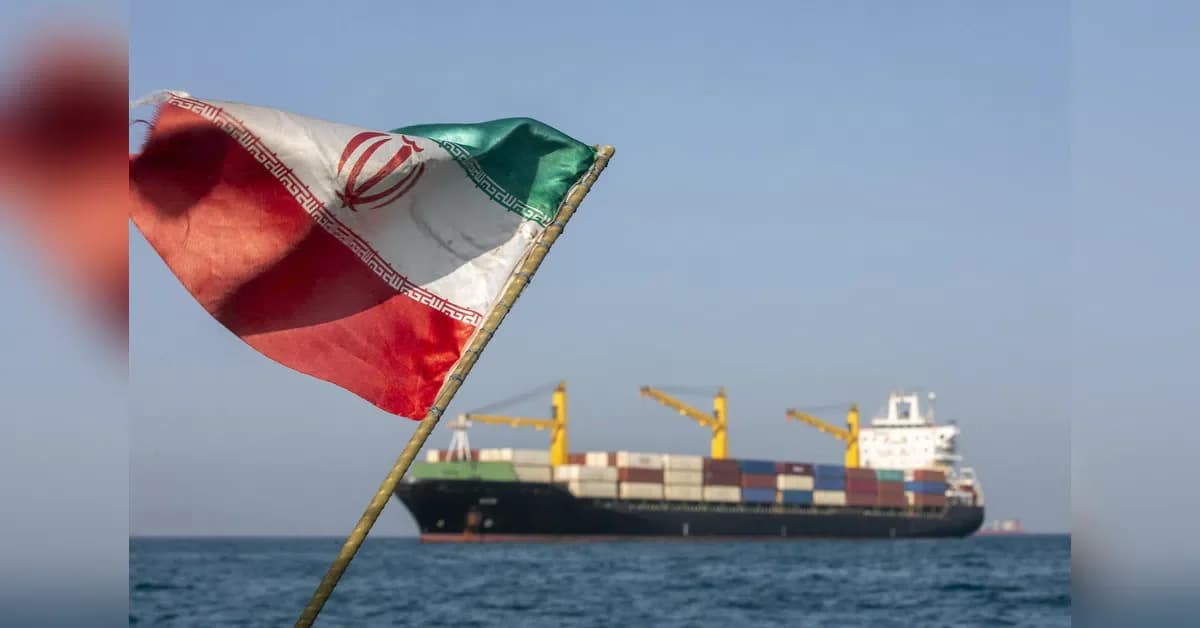
Iran is reviewing the US's new draft in response to Tehran's 14-point proposal and is yet to give a response, the semi-official Tasnim news agency reported, citing a source close to the country's negotiating team. Earlier in the day, Iran warned it would retaliate beyond the Middle East if the US or Israel attacks it again. The conflicting headlines about the status of negotiations have buffeted oil this week, with analysts closely tracking whether Washington and Tehran can reach a workable peace agreement amid shifting signals from Washington.
US inventory data underscored the current tightness, with government figures showing domestic crude stockpiles fell by about 7.9 million barrels last week, while exports remained elevated as overseas buyers continued to tap American barrels to compensate for lost Middle Eastern supply. Abu Dhabi National Oil Company Chief Executive Officer Sultan Al Jaber told Bloomberg that even if the conflict ended immediately, Middle Eastern oil flows would not fully normalise until well into 2027. There are tentative indications that shipping activity through the Strait of Hormuz may be picking up, with several supertankers seen attempting to transit the waterway and Iranian authorities claiming 26 vessels crossed over the past 24 hours. Those signs helped strip some risk premium from crude, although market participants remain cautious given the highly fluid nature of negotiations.