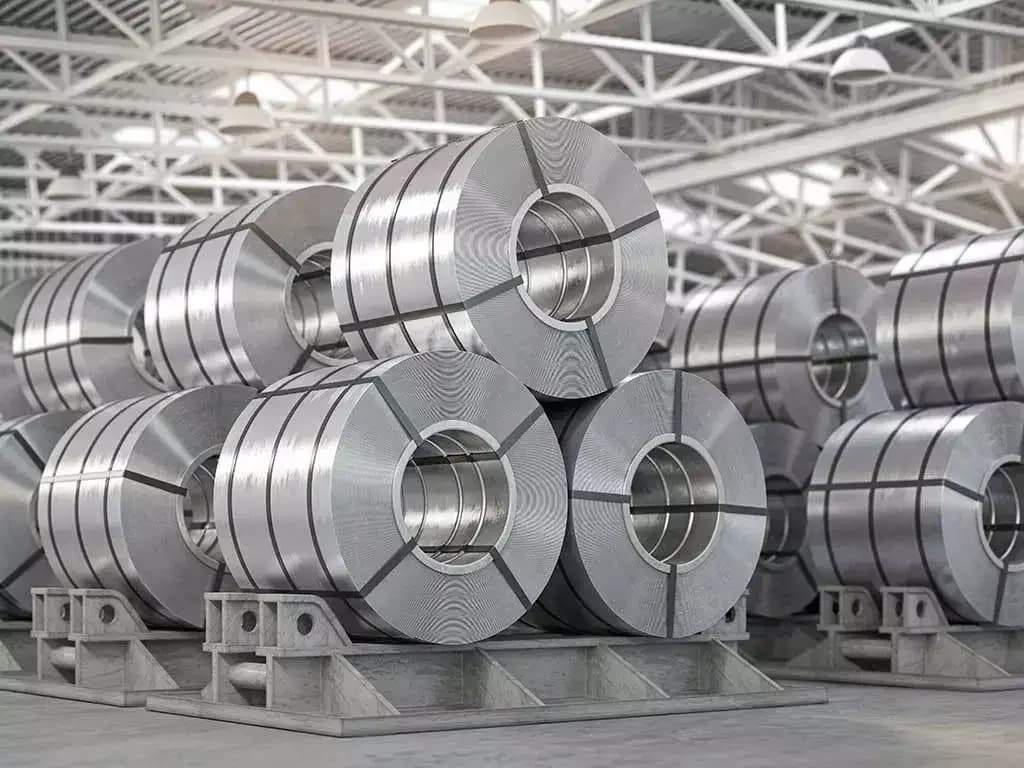
Copper prices have extended their remarkable rally for a sixth consecutive day, with copper futures trading above $6.7 per pound in the US and three-month copper futures on the London Metal Exchange rising 0.6% to $14,755 a ton by Tuesday afternoon. The metal has already gained over 20% year-to-date in 2026, with copper prices making record high of $14,870 per tonne in earlier this month before plunging 4% on the same day. The rally has been driven by a combination of multiple factors creating high-demand and lower supply scenarios in metal markets. Shares of copper miners and product makers like Hindustan Copper, Hindalco and Vedanta rose as much as 3% on Tuesday morning as global copper prices soared, according to Upstox.
Global mined copper production has fallen over 1% year-on-year in the first half of 2026, despite the soaring rally in prices. Operational incidents at Grasberg in Indonesia and Kamoa Kakula mines in Congo removed 600,000 tonnes of production from total output at the start of the year. Chile, which accounts for 24.5% of total mined output, saw a 6.6% year-on-year drop in output in H1 2026, creating significant supply constraints. The Chilean copper commission predicts a total production decline for 2026, while supply constraints have led to over $500 per tonne premium in LME futures over spot prices. Global strategists and market participants expect the recent correction was a retracement of the broader rally in metal prices, with Deutsche Bank and Citi forecasting supply growth of just 1% to 1.3% respectively against expected mining declines of 1% to 1.5%.
Chinese physical demand has strengthened significantly, with copper cathode inventories in Shanghai falling to 43,900 tons, the lowest level since 2023, according to weekly data released by Shanghai Metals Market. While some imported copper has arrived in China, much of it has gone directly to fabricators rather than warehouses, keeping spot supplies constrained. The demand recovery coincides with robust physical demand, as copper prices are now trading in premium over futures prices in China. The Yangshan copper premium hit the highest level since 2022, while the premium paid over Shanghai Futures exchange also reached its highest level since 2023. The impending supply deficit builds on a decade-long structural bull run that has delivered a 245% gain, taking prices from $4,200 per tonne in 2016 to trading levels around $14,500, with an all-time high of $14,800.
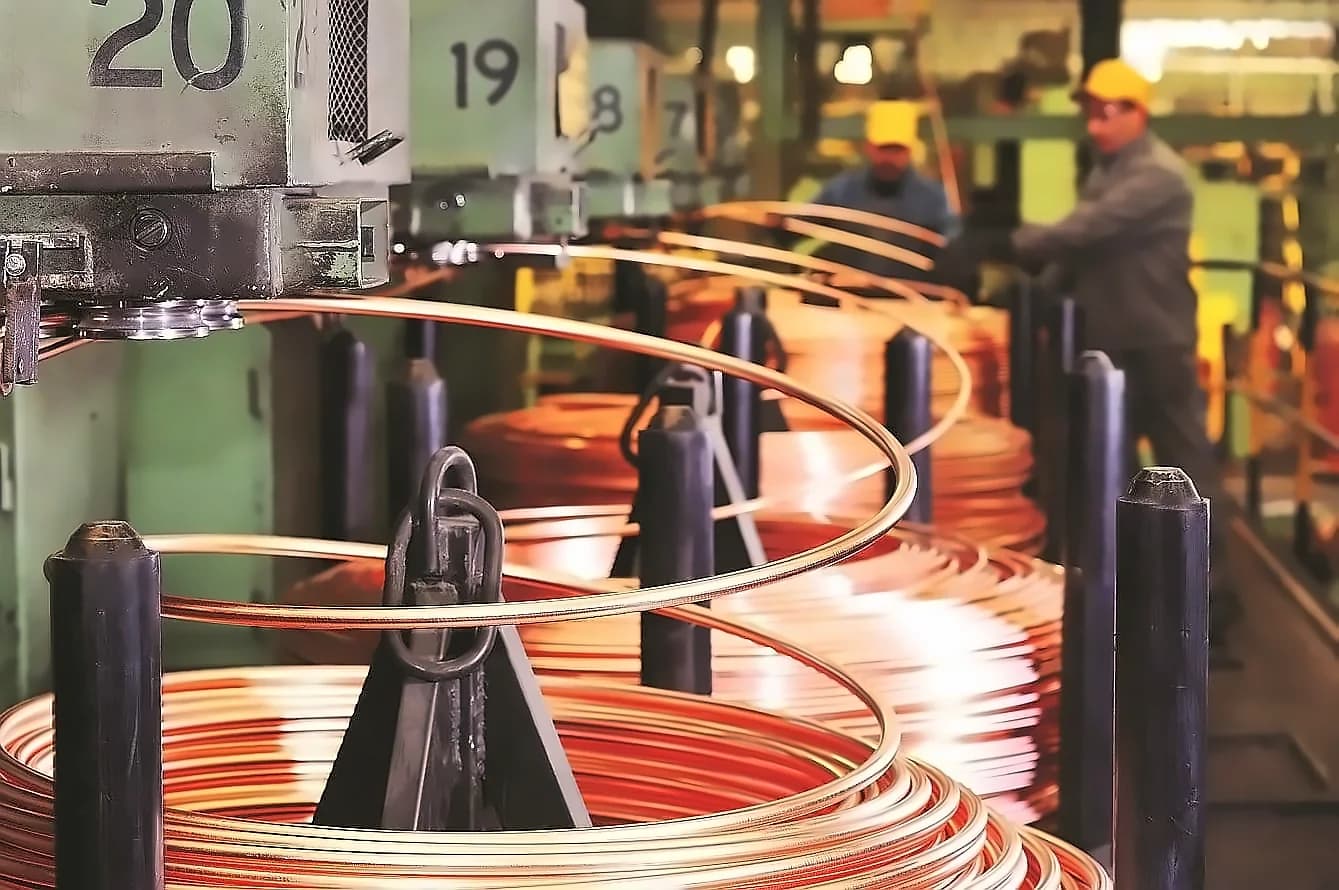
Amid impending tariff threats, copper supply to the US has increased exponentially, with copper cathode imports to the US jumping to a record 223,000 tonnes in July, compared to 37,000 to 80,000 tonnes of imports prior to 2024, according to Sprott Asset Management. The sharp increase in imports is driven by impending tariffs on refined copper, which currently stands exempted from the tariff list. COMEX inventories also increased over 7 fold from February 2025 to August 2026, further eroding supply from global markets. Copper has rallied this year as bets that the Trump administration would slap tariffs on refined metal triggered an increase of imports to the US, squeezing markets elsewhere. Prices hit an all-time high of $14,875 a ton on September 10 before hitting turbulence amid growing doubts about the timeline for potential tariffs.
The volatility is expected to continue in copper prices as tariff-infused anxiety and demand-supply mismatch could drive prices higher. Reducing ore grades are also likely to keep supply constraints limited in FY27, while increasing power demand due to AI data centres globally and rising physical demand in China is likely to keep demand pull inflation intact. With no new copper mine projects coming online, banks and brokerages anticipate continued price support in the near term. The metal recorded annual declines only in 2018 and 2022, posting a 41.5% gain last year and 17% so far this year. Shares of copper miners have witnessed strong rally in the previous year, led by improved realisation in output, while copper consumers like cable and wire companies face margin contraction headwinds and indicate towards price hikes if raw material inflation persists.