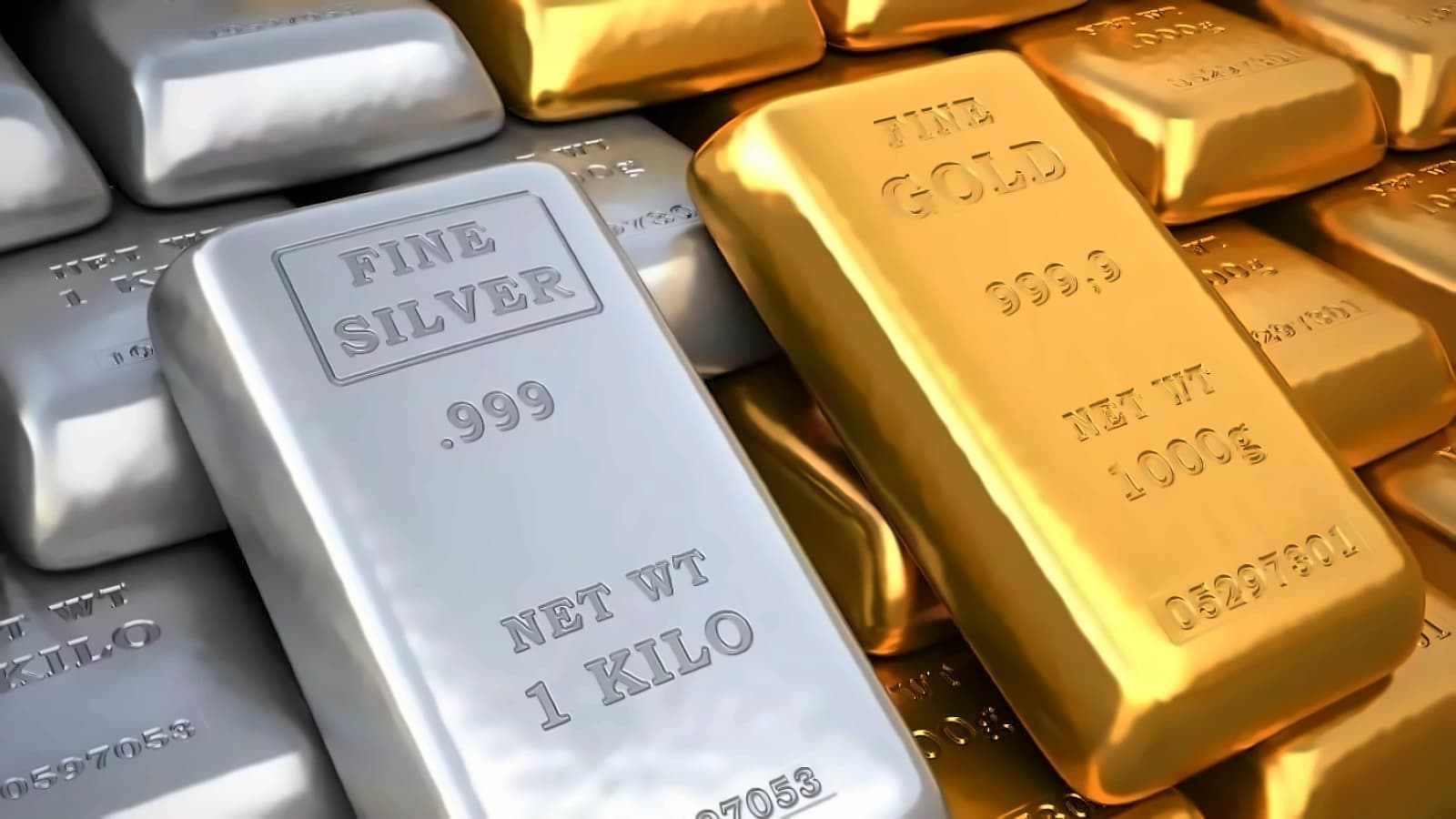
China imported approximately 836 tons of silver in March 2026, marking a record high driven by retail demand and the solar sector, according to Chinese customs data released on April 20 and reported by Bloomberg. This surge significantly exceeded the 10-year seasonal average of 306 tons for March, demonstrating the unprecedented scale of China's silver consumption. The solar sector, which accounts for approximately 20% of annual silver supply and is predominantly based in China, depends on silver's unparalleled electrical conductivity for optimal energy transformation efficiency.
The robust demand has been fueled by retail investors purchasing small silver bars as a less expensive alternative to gold, while solar manufacturers are ramping up production ahead of the April 1 expiration of export tax rebates. As reported by Bloomberg, the robust demand has driven Chinese prices significantly higher than global averages, leading traders to transport silver from various locations worldwide to capitalize on the price differential. A considerable amount of the metal was routed through Hong Kong to exploit these price differentials. According to Bloomberg, the explosive imports are unlikely to sustain as there's no long-term demand-supply imbalance for silver given that China is the world's biggest silver producer.
Silver prices have retreated from the peaks reached in January as the energy crisis from the Iran war raised inflation concerns, impacting non-yielding precious metals. According to Bloomberg, the spot price of silver decreased by 0.1% to $79.82 per ounce, while gold prices remained relatively stable with spot gold steady at $4,820.84 per ounce and US gold futures for June delivery increasing by 0.3% to $4,841.2. The energy crisis has particularly affected precious metals due to inflation concerns stemming from geopolitical tensions. Retail-driven demand, which typically follows strong upward price momentum, has also stalled.
China's industrial sector is experiencing pressure due to Beijing's commitment to limit overproduction in the solar industry, which is likely to impact output. As reported by Bloomberg, persistently high prices may lead the sector to replace silver with less expensive base metals. The current high import levels may not be sustainable long-term, with the investment and speculative buying in silver being several times more than actual industrial applications demand, according to Dr. V K Vijayakumar, Chief Investment Strategist at Geojit Investments Ltd. Wu Zijie, a Shenzhen-based analyst at Jinrui Futures, noted that "the explosive imports is definitely not going to sustain" and future inflows are going to return to normal.
Market experts provide mixed views on silver investment prospects. Dr. V K Vijayakumar warns that silver price can remain excessively volatile in the short run, with the price risk in silver being higher than gold. However, Mohit Gulati, CIO and managing partner of ITI Growth Opportunities Fund, believes China's silver imports reflect a structural shift in demand that cannot be ignored, recommending disciplined accumulation on dips and using rallies as opportunities to trim rather than add positions. The setup remains compelling over the medium term, though traders should brace for significant volatility in the near term due to geopolitical uncertainty and unpredictable US trade policy under Trump.