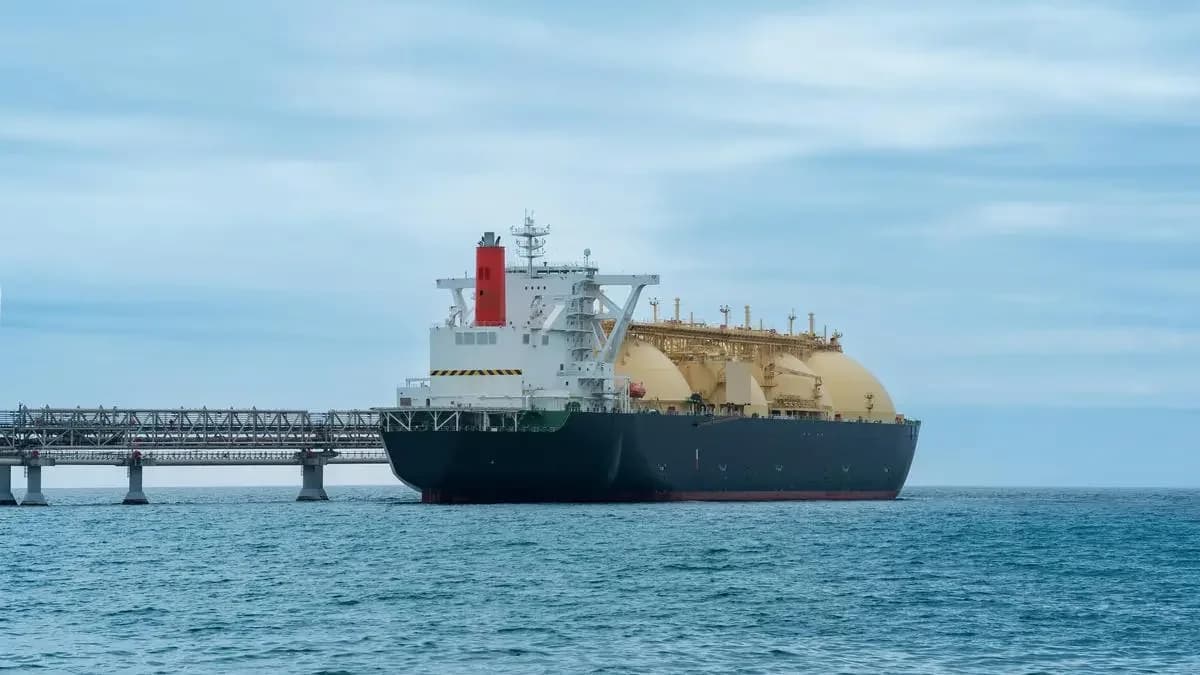
China is on track to bring in an unprecedented volume of US ethane this month as petrochemical firms turn to alternative feedstocks after disruptions linked to the Middle East conflict curtailed key supplies. According to Chinese consultancy JLC, shipments of US ethane are expected to rise to an all-time high of 800,000 tonnes in April, roughly 60% above the usual monthly average. Some manufacturers have the flexibility to switch to ethane, allowing them to cushion the impact of reduced availability of naphtha and liquefied petroleum gas following the effective shutdown of the Strait of Hormuz.
Ethane, a natural gas liquid, is mainly used to produce ethylene, a core input for plastics. China relies almost entirely on the United States for these supplies, making it particularly vulnerable to supply disruptions. The commodity also became a point of contention between Beijing and Washington last year, after the US imposed tighter export controls during an intense trade dispute. According to JLC analyst Shi Linlin, US ethane has emerged as the preferred substitute for Chinese ethylene producers, given its steady availability and cost advantage.
As of April 15, margins from producing ethylene using ethane were about ten times higher than those from naphtha, whose pricing has been driven up due to its linkage with crude oil, according to the consultancy. An expansion in downstream processing capacity has further boosted demand for the fuel. New facilities - including an ethane-based unit set up by Wanhua Chemical Group and a flexible-feed cracker operated by Sinopec Ineos (Tianjin) Petrochemical Co. - have contributed to the rise in imports this year, as reported by JLC.
Official Chinese data show that in February, more than half of the country's naphtha imports and over 40% of its LPG supplies came from Persian Gulf producers. The conflict began toward the end of that month. The International Energy Agency noted last week that petrochemical feedstocks have been among the most immediately affected by the conflict, with supply routes to Asia falling into significant disruption. Japan, for instance, has had to secure naphtha from a wider pool of sources, including the US and Africa.
China's increased purchases of ethane also come ahead of a planned mid-May visit by Donald Trump to Beijing, where energy trade is expected to feature in discussions. The issue could gain further prominence if the conflict involving Iran continues, as reported by The Straits Times.