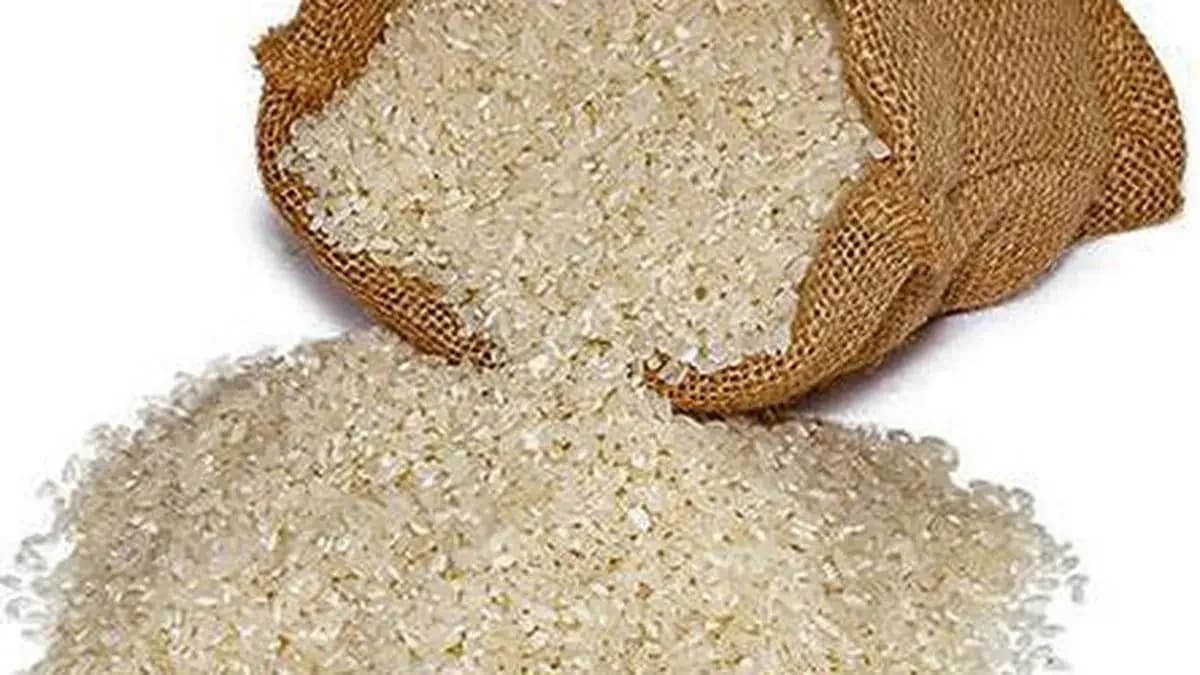
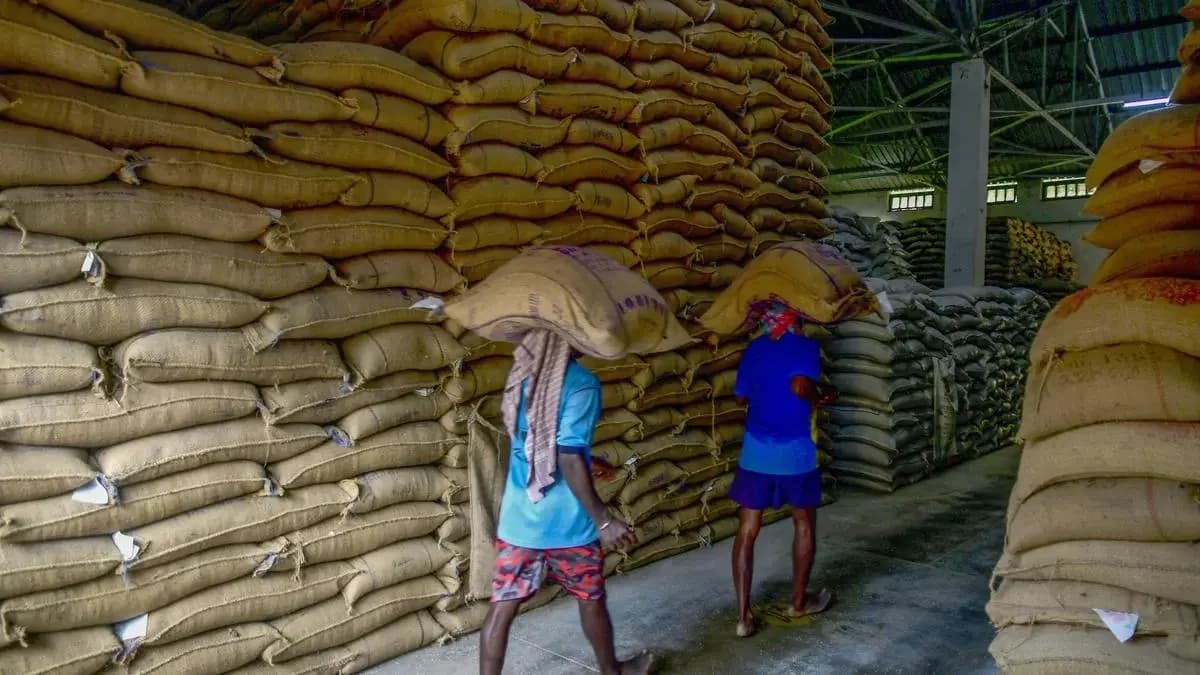
China has resumed buying broken rice from India despite rejecting several shipments citing alleged presence of genetically modified organisms. According to reports from The Hindu BusinessLine, the move comes as a surprise since Beijing raised the issue of GMOs in Indian rice consignments two months ago, despite Chinese agencies clearing the shipments from India. China rejected quite a few shipments before resuming purchases, highlighting the ongoing tensions in the agricultural trade relationship.
Indian rice prices have become highly competitive in the global market, with Indian 5% broken white rice priced at $335-339 per tonne, making it the most competitive option globally. As reported by The Hindu BusinessLine, this compares favorably to Thailand's quotation of $423 per tonne, Vietnam's $344-348 per tonne, and Pakistan's $345-349 per tonne. The competitive pricing has driven renewed Chinese interest in Indian broken rice exports, despite previous quality concerns.
Shipment costs have surged significantly due to a 50% increase in bunker fuel prices following the Iran war, according to BV Krishna Rao, President of The Rice Exporters Association of India (TREA). As reported by The Hindu BusinessLine, a 20-foot container charge now stands at $75-80 per tonne, though there is no war surcharge currently applied. These increased costs are offsetting some of the competitive pricing advantages that Indian rice enjoys in global markets.
India's rice production is estimated to be above a record 150 million tonnes during the 2025-26 crop year ending June, as reported by The Hindu BusinessLine. The rabi paddy crop is expected to be healthy and good, with South India remaining unaffected by unseasonal rain and hailstorms that damaged wheat crops in North India. However, wheat production is now expected to be 5-10% lower than the initially estimated 120 million tonnes, with the threat of Super El Nino potentially preventing sharp falls in rice prices.
According to trade analyst S Chandrasekaran, rice prices may begin cooling by month-end or early April as the paddy harvest in Thailand and Vietnam is due later this month. As reported by The Hindu BusinessLine, demand for rice continues to be normal in the global market, with exports continuing to countries in West Africa besides China. The competitive pricing advantage of Indian broken rice, combined with normal global demand and healthy domestic production, positions India well in the current market environment despite ongoing logistical and cost challenges.