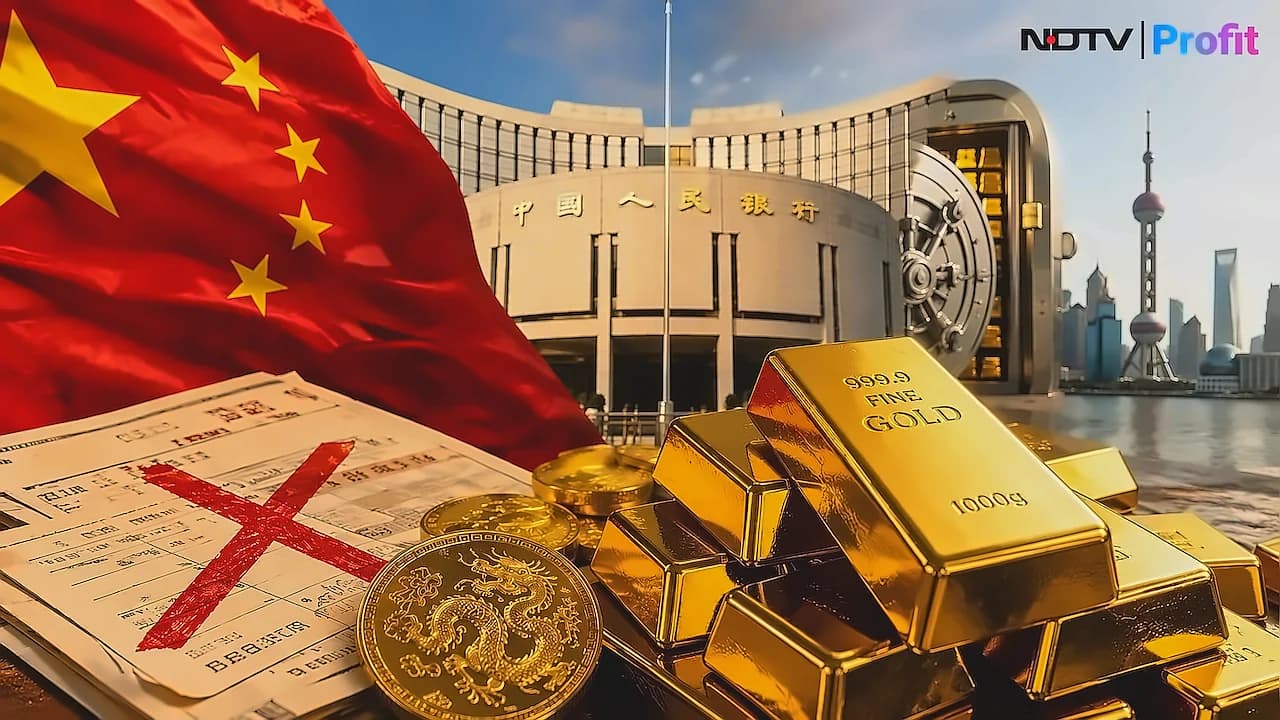
Central banks led by the People's Bank of China continued gold purchases in July with net buying of 23 tonnes, according to the World Gold Council. As reported by the WGC, emerging markets continued to accumulate gold with China purchasing 20 tonnes and Poland buying 8 tonnes during the month. Notably, activity from the PBoC has picked up pace in recent months, with double-digit monthly purchases of gold since May 2026. The Bank of Korea made headlines by announcing an official gold allocation after 13 years, with the allocation estimated at US$250 million or approximately 2 tonnes via gold-backed ETFs. However, overall buying activity is lower than last year, with year-to-date purchases totaling approximately 130 tonnes compared to 160 tonnes during the same period last year.
On a year-to-date basis, central banks have purchased approximately 130 tonnes of gold, representing a significant increase from the 148 tonnes bought during the same period last year. According to the WGC, Poland continues to lead year-to-date purchases with 90 tonnes acquired so far this year. Warsaw has accumulated 640 tonnes against its target to accumulate 700 tonnes or approximately 28% of its total reserves. The Bank of Namibia has set an ambitious target to increase its gold reserves from 1% to 3% by the end of March 2027, with the bank signing a gold purchase agreement with local mining company QKR Namibia Navachab to build up its reserves. Meanwhile, the National Bank of Kazakhstan has accumulated 29 tonnes year-to-date and is among the top five gold accumulators globally, with gold holdings at 75% of its total reserves.
The PBoC continued to add gold to its reserves for the 21st consecutive month in July, purchasing 60 tonnes year-to-date. As reported by the WGC, gold now comprises 8% of Beijing's reserves at 2,366 tonnes, making it the sixth highest gold holding globally. The Czech National Bank bought 2 tonnes in July, marking its 41st consecutive month of net purchases, with year-to-date acquisitions totaling 12 tonnes. Russia was the top net seller this month, posting sales of 6 tonnes, followed by Turkey, Jordan and Uzbekistan at 1 tonne each. Russia has sold 50 tonnes year-to-date, with Moscow's total gold holdings dropping to 2,277 tonnes. This selling is attributed to Russia covering its budget deficit due to rising defence expenditure from the Ukraine war and losing oil and gas revenues due to Western sanctions.
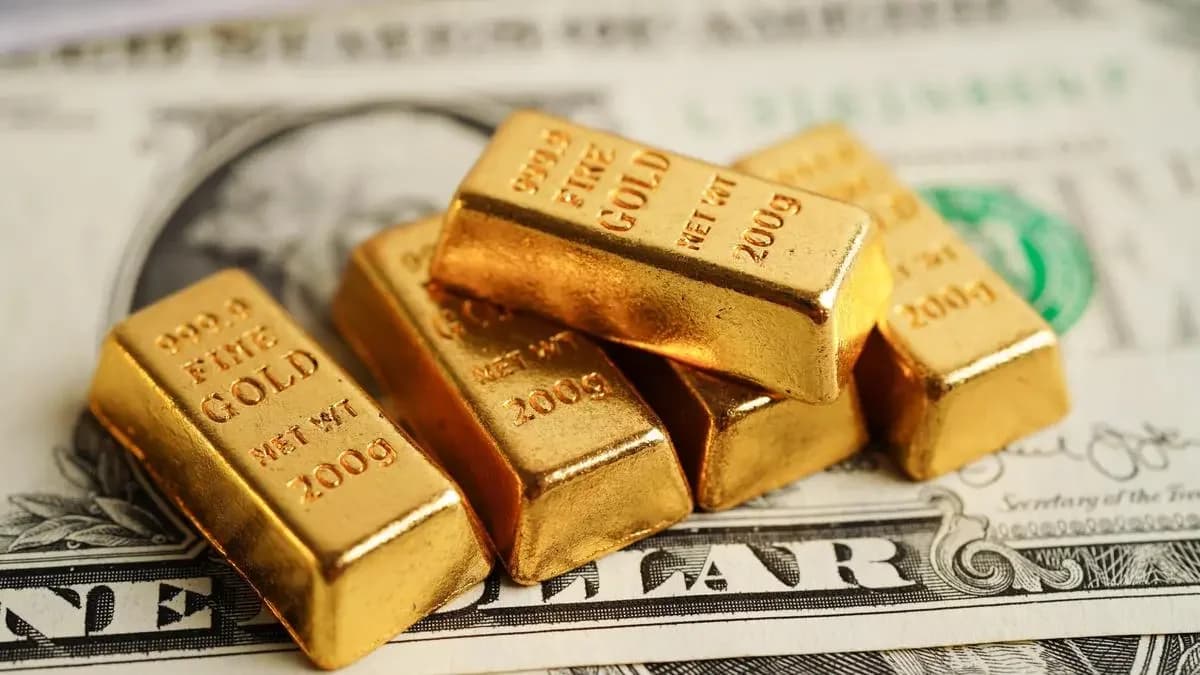
A significant development in July was the shift in reserve composition, with gold now overtaking US Treasuries as the largest single reserve asset. According to the European Central Bank, gold accounted for 27% of global official reserves at the end of 2025, up from 20% a year earlier, while US Treasuries slipped to 22% from 25% over the same period. This marks the first time since the mid-1990s that gold has surpassed Treasuries as the largest single reserve asset. The shift reflects central banks' strategic diversification away from single-currency exposure and traditional bond markets, with gold offering no counterparty risk and no dependence on any one government's balance sheet. As reported by The Financial Express, this restructuring demonstrates how central banks are actively prioritizing gold over traditional bond markets for value storage amid emerging geopolitical tensions.
Gold buying by central banks has been a major factor in the precious metal's rally since 2024, with prices peaking at $5,608 per ounce on January 29. However, after the Iran war broke out, gold has shed over 20% of its gains due to fears of inflation, hopes of US Fed interest rate increases, and investors switching to energy commodities. On Thursday, gold traded at $4,444 per ounce, down 3% since the beginning of the week due to renewed US-Iran dispute concerns. This represents a premium article available exclusively to subscribers, providing complete access to credible business news and market insights.