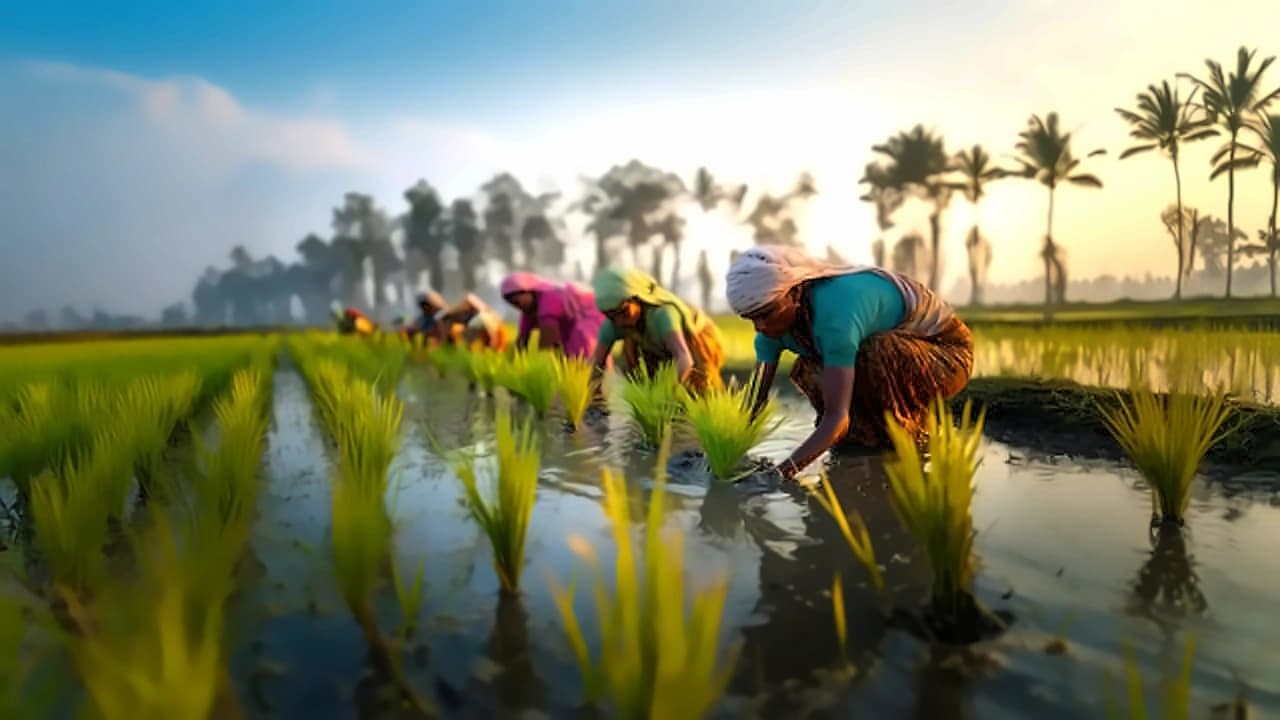
Farmers across Andhra Pradesh's Srikakulam and Vizianagaram districts are increasingly adopting water-saving paddy cultivation methods as El Nino concerns mount. Majji Satyam, a 52-year-old farmer from JR Puram village, is implementing Direct Seeded Rice (DSR) this kharif season after years of traditional paddy cultivation. The farmer, who has five acres and two borewells, cited the absence of May rains this year compared to last year's early monsoon arrival, stating he has heard that rainfall will be less due to El Nino effects. "If El Nino gets severe, we will cultivate paddy for house consumption only," Satyam told media, highlighting the severity of water conservation concerns facing the region.
The water-saving techniques offer significant conservation advantages over traditional methods. As reported by Dr Reddy's Foundation, dry DSR method saves around 11-12 lakh litres of water per acre, while wet DSR saves around 4-5.5 lakh litres, and Alternate Wetting and Drying (AWD) saves roughly 3-5 lakh litres compared to conventional paddy cultivation. "Dry DSR method saves around 11-12 lakh litres of water per acre. Wet DSR saves around 4-5.5 lakh litres AWD saves roughly 3-5 lakh litres of water compared to traditional methods," said Suman Saraswathibatla, Director (Rural Livelihoods and Climate Action) at Dr Reddy's Foundation. Last year, farmers in the two districts adopted DSR across 3,667 acres and AWD across 21,963 acres, saving more than 3,000 crore litres of water and reducing over 50,000 tonne equivalent carbon dioxide. With El Nino back in the forecast, those numbers are expected to rise significantly.
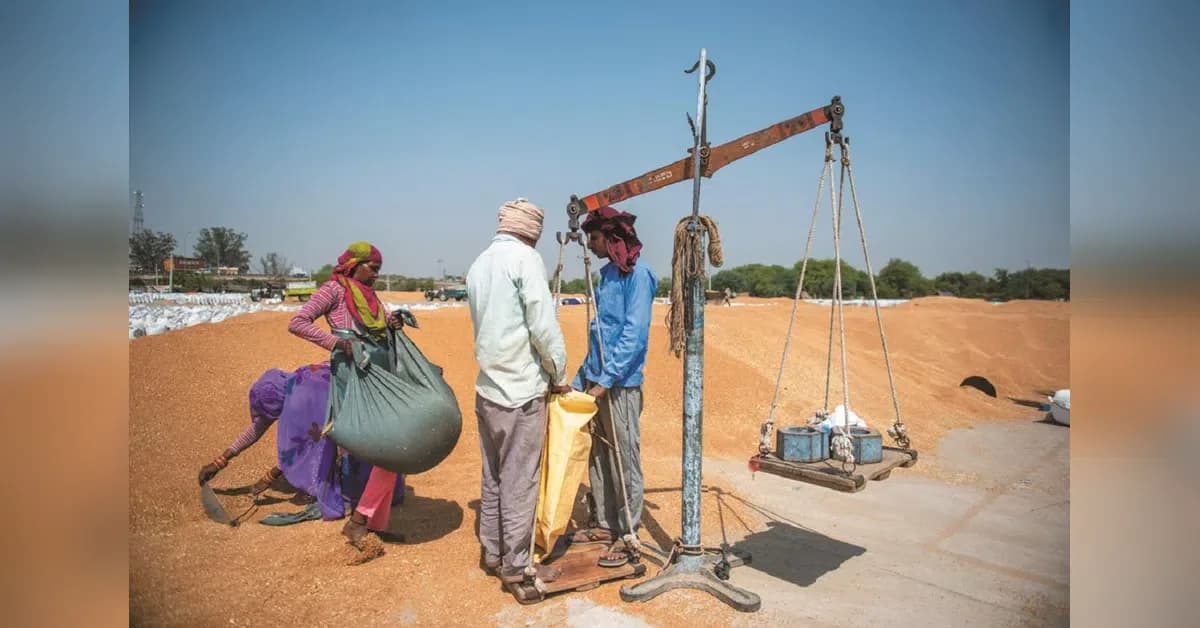
The Dr Reddy's Foundation works with farmers in over 1,500 villages covering roughly 10 lakh acres of paddy area as part of the Action for Climate and Environment (ACE) programme. According to Business Standard, the foundation has been encouraging farmers to reduce paddy acreage, switch to short-duration crops, or move to pulses and cereals. R Sanyas Rao, a 50-year-old farmer from the same village, successfully tried wet DSR on five acres last kharif and is expanding to dry DSR on two acres and maize on three acres this season. "With the borewell facility, I will be able to manage," Rao said, demonstrating how water-saving methods can be adapted to different farming conditions.
The foundation's soil health testing facility launched in January 2025 has identified underlying soil health challenges in the region. As reported by Business Standard, over 5,000 soil health cards were issued last year showing that organic carbon levels are very low, while micronutrients like sulphur, zinc, and boron are deficient, and potash is in excess. The foundation is promoting site-specific nutrient management and encouraging farmers to plant short-duration cover crops across 2,372 acres and agro-forestry covering 1,508 acres to help retain soil moisture during the transition period. For both DSR and AWD techniques to work effectively, soil moisture must remain consistent in the upper 30-40 cm of the field - a critical condition that shapes when and how farmers decide to sow.
The sowing calendar in Srikakulam district has already adapted to changing weather patterns, with traditional paddy sowing shifting from end of June to July over the last three to four years, and peak transplantation moving to August. According to Business Standard, farmers are being encouraged to plant short-duration cover crops in the May-June window before kharif begins, with green manuring crops like sun hemp and napier helping retain soil moisture during the interim period. The foundation is pushing for precise fertiliser application based on soil test results to address both El Nino effects and the ongoing fertiliser crunch. Black gram, green gram, and sesamum are being promoted as cover crops, while agro-forestry mixing timber and fruit plants in coconut orchards is set to expand this season.