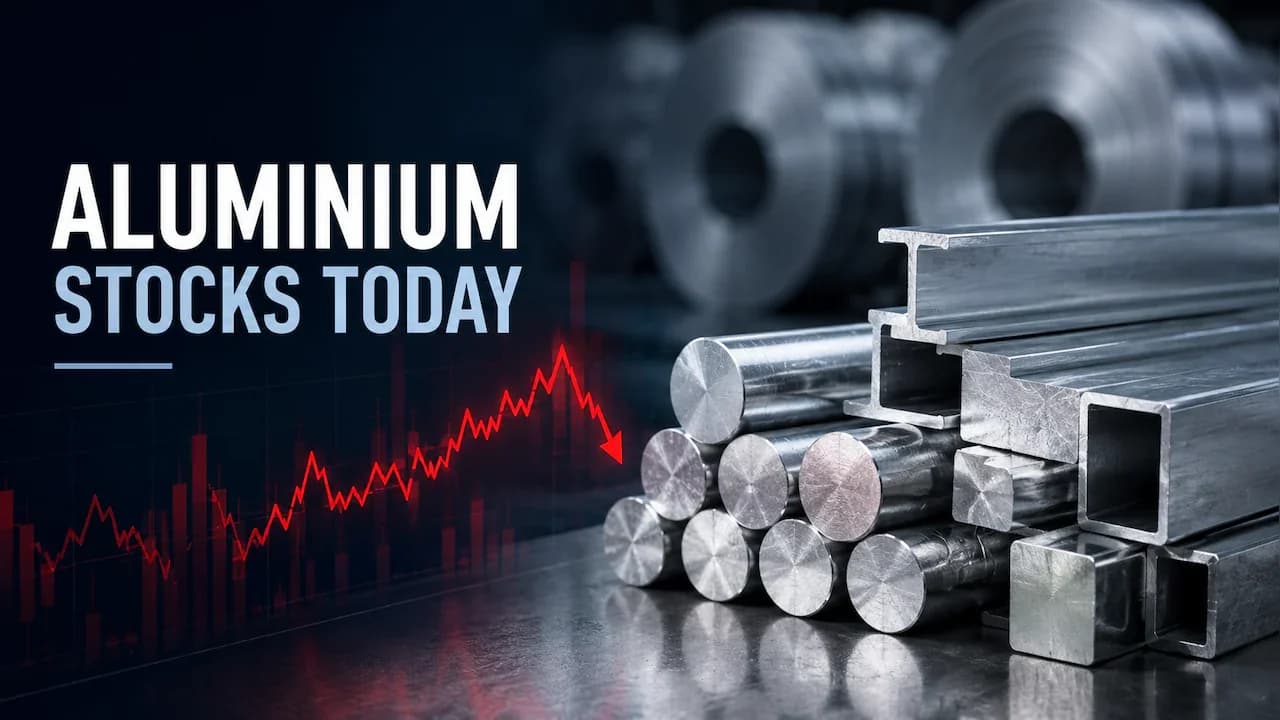
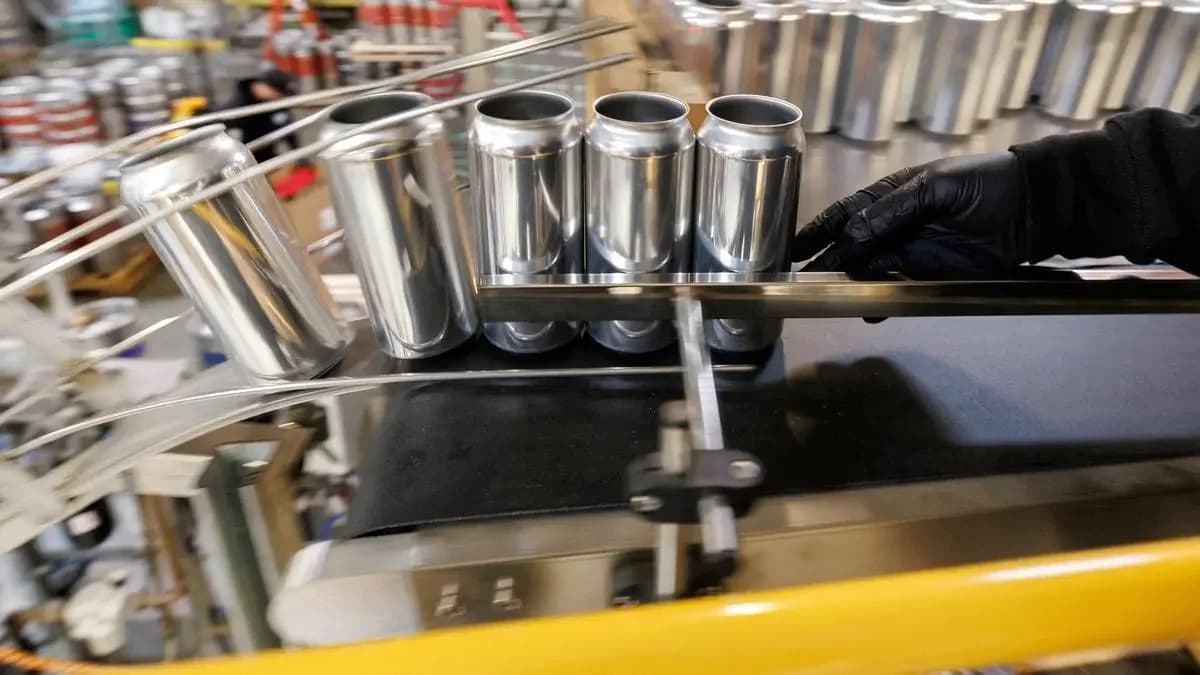
India's beverage industry faces a potential ₹11,500 crore disruption as a deficit of 12-13 crore aluminium cans builds up, with domestic supply from key manufacturers such as Ball and CANPACK falling to just 10-20% of normal capacity. According to reports from The Hindu BusinessLine, the crisis follows a global aluminium price surge of about 47-50% year-on-year to around $3,600 per tonne, sharply raising import costs in a market dependent on overseas can-grade aluminium. The impact is now visible across bars, retail, and quick-commerce platforms, with Diet Coke disappearing in several markets and Monster Energy Zero Ultra experiencing supply disruptions.
The crisis is being driven by three simultaneous shocks—input costs, disrupted imports, and regulatory constraints—leaving India's import-dependent supply chain exposed. As reported by The Hindu BusinessLine, a CANPACK official stated that while production exists, moving material into India has become increasingly difficult. "There is production, but getting it into India is a challenge right now. We are trying to manage through imports, but timelines are uncertain. We don't know by when the situation will stabilise," the official said. With CANPACK supplying Coca-Cola, United Breweries (Heineken), Carlsberg, AB InBev, PepsiCo, and Parle Agro, disruptions are cascading simultaneously across alcoholic and non-alcoholic categories.
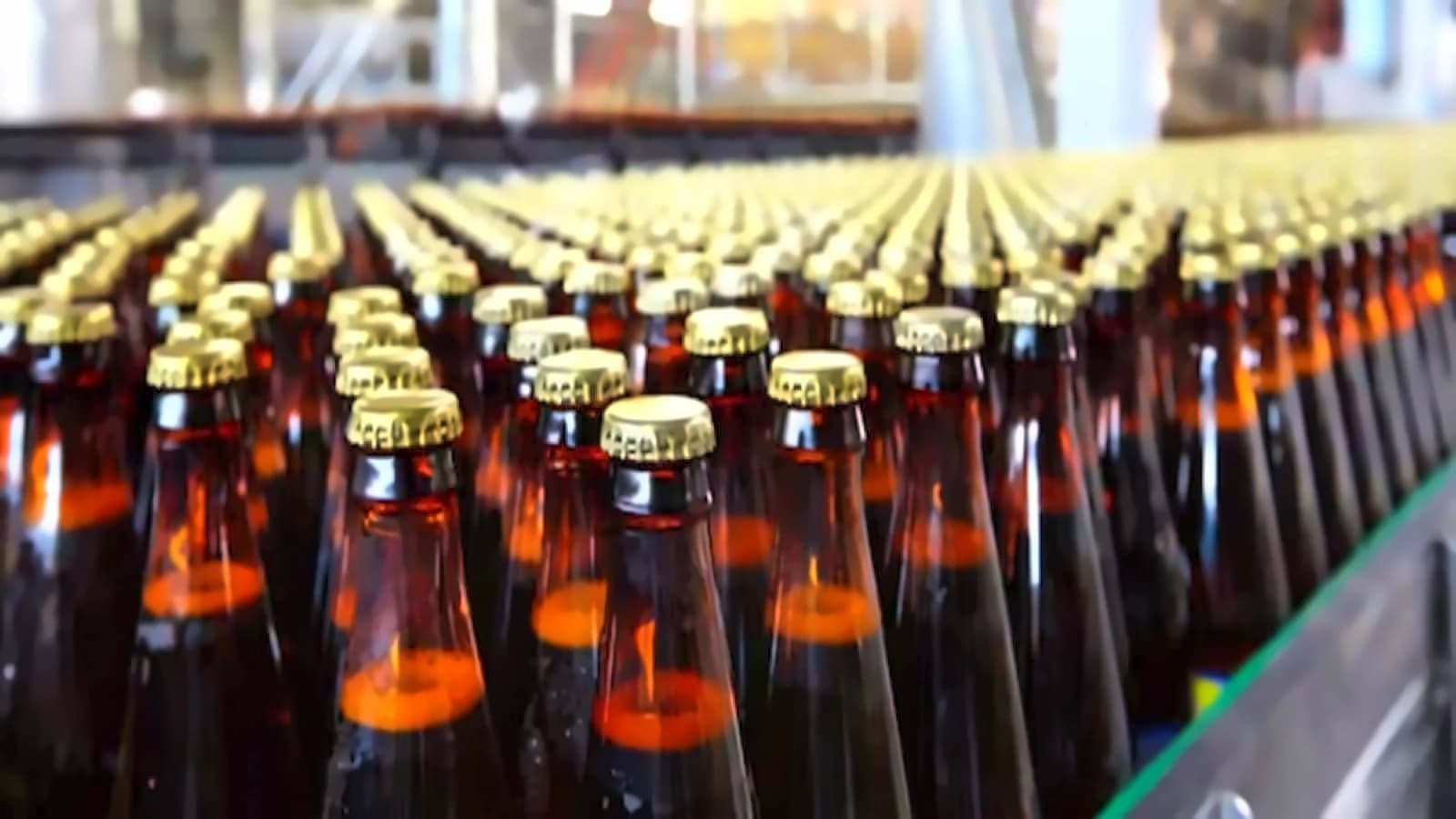
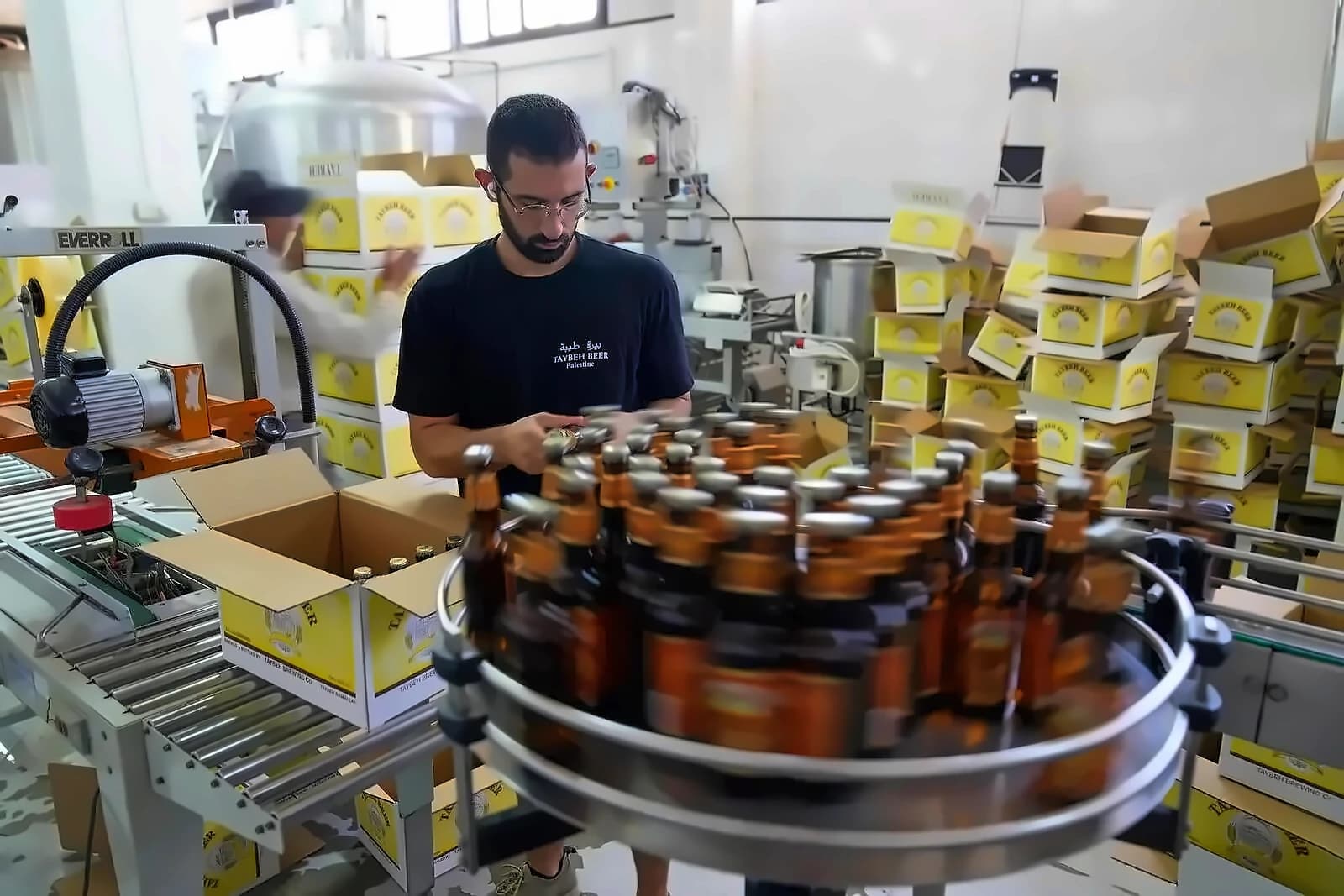
The disruption is most acute in the beer industry, where cans account for 75-80% of sales in several large markets, while industry estimates suggest 60-70% of the ₹51,000 crore beer market now relies on cans. According to The Hindu BusinessLine, brands such as Kingfisher, Budweiser and Tuborg are staring at a supply cliff as pre-disruption inventory runs out over the coming weeks. "Cans are easier to transport, there's less breakage, and margins are better across the supply chain," said Anish Varshnei, co-founder and chief production officer at Latambarcem Brewers. Normal packaging inventory levels of 50-60 days are now running at 20-30 days as companies drain stocks.
The shortfall translates into a combined hit of over ₹11,500 crore—about ₹6,250 crore in revenue losses (₹1,200-1,300 crore in beer and nearly ₹5,000 crore in non-alcoholic beverages), along with margin pressure of roughly ₹5,300 crore. As reported by The Hindu BusinessLine, CRISIL estimates an additional ₹1,500 crore hit to brewer profitability, with EBITDA margins likely to compress by 250-300 basis points. "Packaging itself accounts for about 35% of revenues for brewers, so any disruption hits margins directly," Varshnei added. Unlike most sectors, brewers have limited ability to raise prices due to state-level excise controls.
The industry is currently being cushioned by a production cycle that is about to expire, with most cans in circulation manufactured in January–February before the disruption fully hit. According to The Hindu BusinessLine, United Breweries MD Vivek Gupta had earlier flagged the shortage as already impacting growth, estimating a 1-2% hit with no immediate resolution in sight. "At best, it will take close to a year for supply to normalise," Varshnei said. Companies are scrambling to secure supply, with mid-sized players pivoting to imports from China, Korea, and Vietnam, while larger brewers with rigid supplier approvals have far less flexibility.