Aluminium stocks experienced significant declines on Thursday as National Aluminium Company emerged as the biggest loser, falling 5.26%. According to reports from Essential Business Intelligence, Manaksia Aluminium followed with a 1.88% decline, while Hindalco Industries and Vedanta Aluminium both dropped 1.72% and 1.71% respectively. Arfin India showed minimal movement, declining just 0.05%, and MMP Industries and Maan Aluminium were the only gainers, rising 1.92% and 1.24% respectively. The latest decline was accompanied by notable weakness in Chinese aluminium stocks, with China Hongqiao Group Ltd. closing down 7% in Hong Kong - the biggest decline in nearly two months, while Aluminum Corp. of China Ltd. dropped 6%.
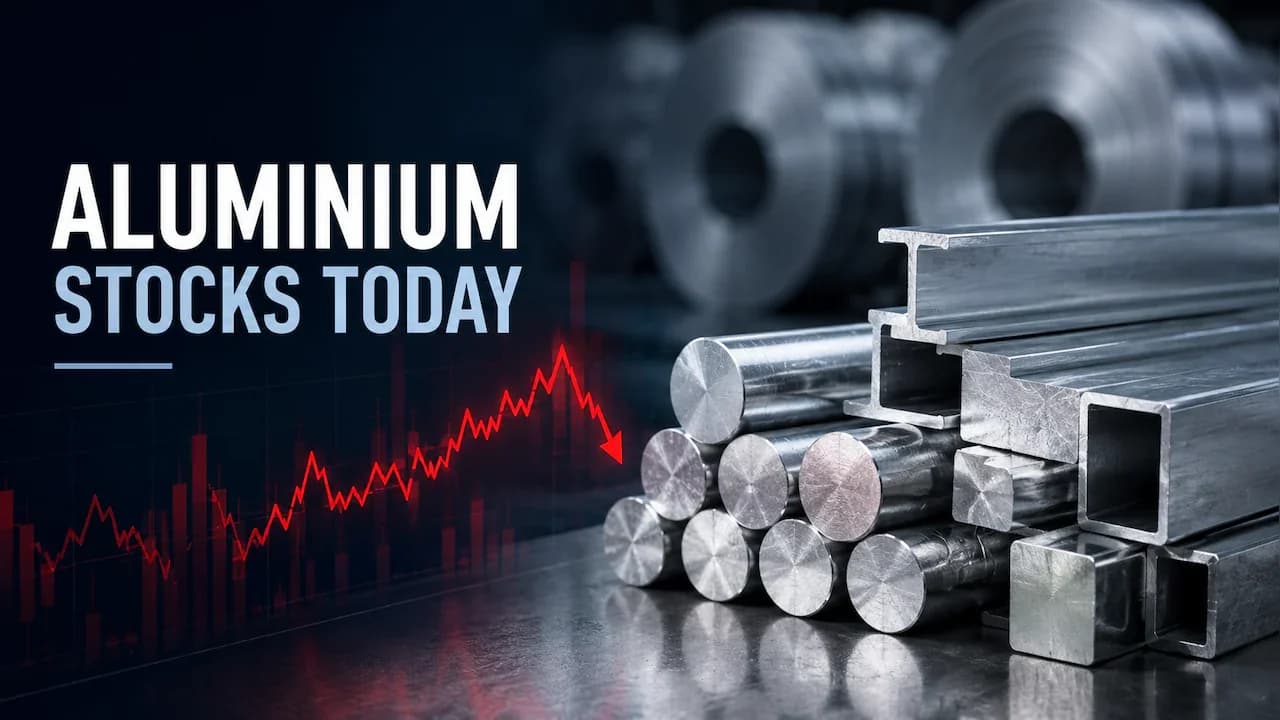
LME aluminium stocks have slumped to their lowest level since 1990, attesting to the supply-chain dislocation caused by the Iran war. As reported by Reuters, gulf production of primary aluminium has collapsed by 2 million metric tons per year since the U.S. and Israel attacked Iran on February 28. The supply-chain shock has translated into a scramble for available metal from the market of last resort, where registered stocks have fallen by half since the start of 2026 to just 250,000 tons. What's curious is that neither outright LME price nor time-spreads seem ruffled by the inventory clear-out, as the market has reassured itself that global supply can recover quickly, encouraged by positive progress reports from the war-damaged Al Taweelah smelter in the United Arab Emirates.
The raid on LME stocks has been confined to Indian brands of aluminium, which together with Russian brands have accounted for most of LME on-warrant inventory over the last few years. According to Reuters, registered stocks of Indian metal have slumped from 236,000 tons to 12,450 tons in the space of 12 months, while Russian brands accounted for 95% of the 245,250 tons of available aluminium in the LME system at the end of July. The LME's daily positioning reports show one entity holding 80-90% of all warranted stocks as of Tuesday's inventory report, rising to over 90% when cash-date positioning is included. This dominant holding is subject to LME lending rules designed to prevent a large position morphing into a market corner.
LME aluminium prices dropped 1.6% to $3,258.50 per tonne on Thursday, continuing their retreat from seven-week highs as major Middle Eastern smelters announced production resumption plans. As reported by SunSirs, Emirates Global Aluminium plans to ramp up production to pre-conflict levels by the first quarter of next year, with the company's main smelter previously forced to halt operations following a March attack by Iran. The decline came after aluminium prices had risen for seven straight days as prospects for a U.S.-Iran agreement to reopen the Strait of Hormuz appeared to be fading. The weakness in aluminium stocks followed a fall in global prices as concerns about a potential supply shortage eased, with the metal falling $29 lower to $3,281.50 at 8:52:13 AM on Thursday.