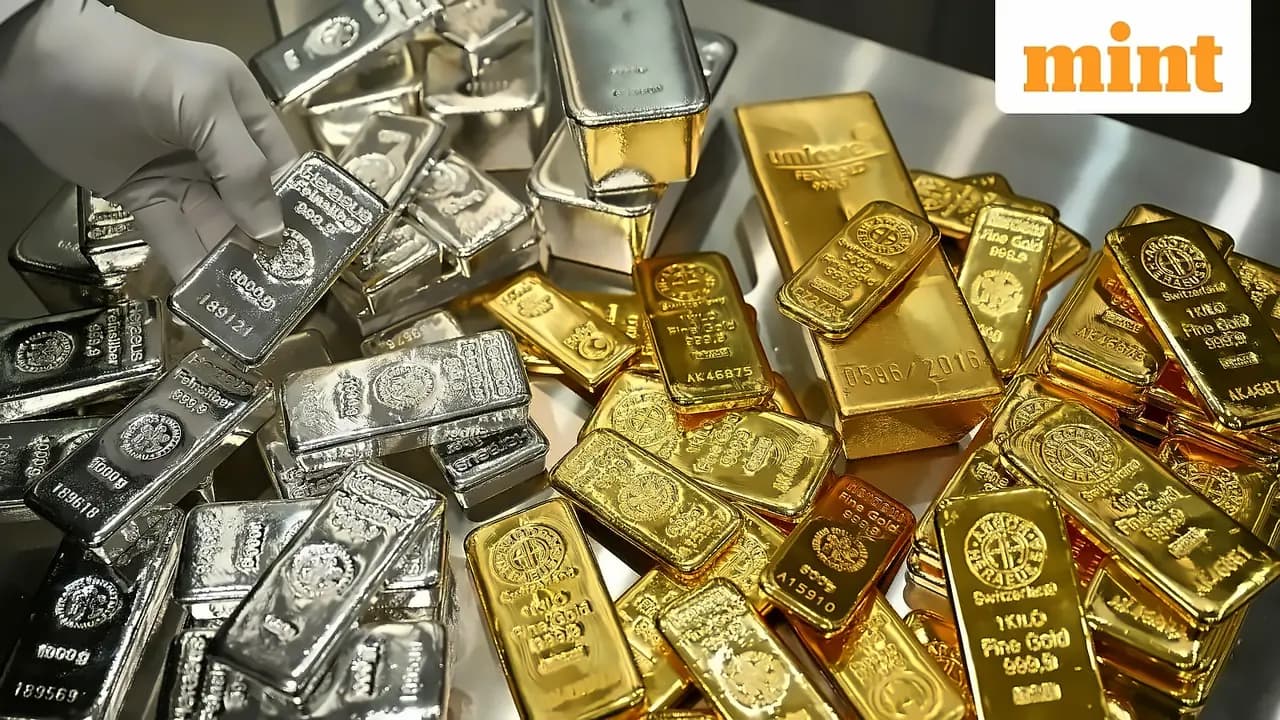
Gold ETFs have emerged as a key driver of investment demand ahead of Akshaya Tritiya 2026, with inflows surging nearly six-fold to ₹31,561 crore in the March 2026 quarter compared to ₹5,654 crore in the same period last year, according to AMFI data cited by PTI. On a sequential basis, inflows rose 36% to ₹23,132 crore, while total assets under management reached ₹1.71 lakh crore by March 2026 from ₹58,888 crore a year earlier. The number of investor accounts has also surged significantly, with folios increasing to 1.24 crore from 69.69 lakh during the same period. Nehal Meshram, Senior Analyst at Morningstar Investment Research India, noted that while inflows moderated month-on-month, investor interest in gold-backed products remains intact, with positive flows in March indicating gold continues to serve as a diversification tool amid market volatility.
Amid ongoing gold price volatility and evolving consumer behaviour, the jewellery industry is witnessing a fundamental shift in how consumers approach gold purchases. Reliance Jewels has repositioned its Akshaya Tritiya proposition from 'Shubh Akshaya Tritiya' to 'Smart Akshaya Tritiya', reflecting how today's customers are more informed, value-conscious, and discerning. According to Reliance Jewels spokesperson, the brand is anchoring its approach in this insight by launching a value-led range for Akshaya Tritiya, positioning the company not only as an integral part of tradition but also as a smart, wearable investment relevant to current times. Suvankar Sen, CEO and Managing Director of Senco Gold Ltd, said customer sentiment remains upbeat heading into the festival, with early demand from wedding buyers picking up ahead of the summer season, expecting overall growth of around 15-20% compared to last year. Supriya Kataria, Founder of Kumari Fine Jewellery, noted that customers are moving towards 'practical buying' and engaging in early purchases, especially for bridal trousseaus, to manage costs and secure preferred designs.
At the premium end, demand for diamonds and bridal jewellery remains strong, with consumers increasingly favouring larger diamonds with superior cut and craftsmanship. Eshwar Surana, Managing Director of Raj Diamonds, reported that the run-up to the festival has seen continued traction in high-value diamond-studded and wedding jewellery. The upcoming wedding season is expected to drive strong demand for high-value jewellery, particularly diamond-studded pieces. Saurabh Gadgil, Chairman and Managing Director of PNG Jeweller, said Akshaya Tritiya continues to be a key consumption driver, with expectations of 25-30% growth, particularly in markets such as Uttar Pradesh and Bihar. Sen noted growing demand across rings, earrings, chains and bangles, along with increasing interest in men's jewellery such as chains and bracelets, reflecting a shift towards larger, high-quality diamonds with superior craftsmanship and growing desire for individuality and long-term value.
E-commerce platforms are also witnessing strong momentum ahead of the festival. Siddharth Bhagat, Director – Fashion and Beauty of Amazon India, said the platform is seeing significant year-on-year growth across jewellery categories, with gold jewellery growing around twofold, silver 2.5 times, and coins also doubling. Consumers are viewing jewellery as both an investment and a form of self-expression, aided by improved discovery through digital tools. Ankita Kothari, Managing Director of Anan Jewels, said sentiment around natural diamonds remains strong this season, with consumers showing a preference for contemporary designs that blend tradition with modern aesthetics, while also prioritising authenticity and long-term value. Reliance Jewels customers can explore the brand's collections at 140+ showrooms across India and online, offering intricately designed collections spanning everyday wear to bridal jewellery.
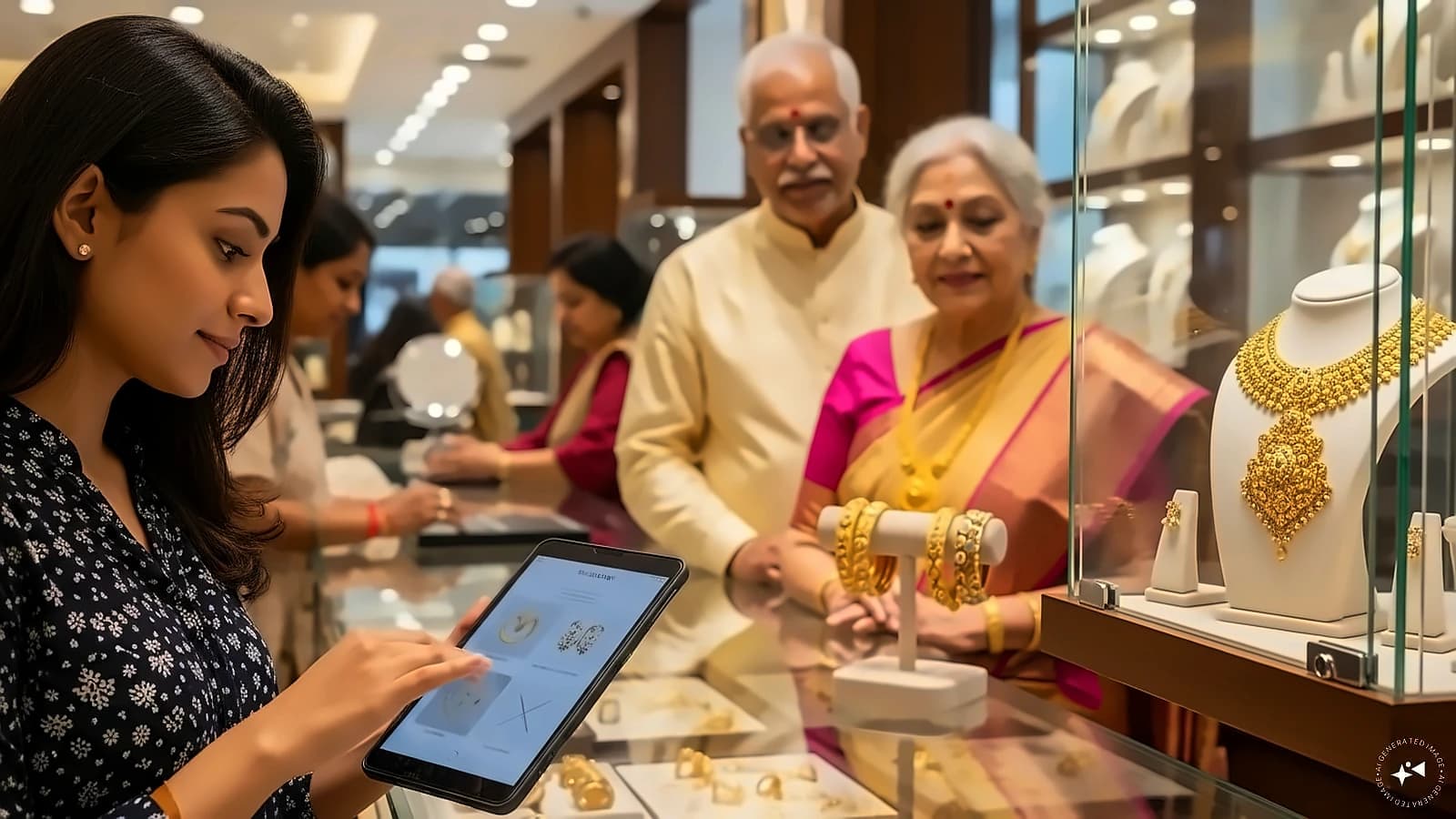
Today, with more and more consumers discovering jewellery online, the function of physical stores has evolved significantly. Resha Jain, Chief Brand Officer at GIVA, explains that digital today defines discovery and decision-making, but physical stores play a crucial role in validation and conversion. At GIVA, we see a strong online–offline balance, with customers often walking into stores already informed and intent-driven, she says. For categories like jewellery, coins, and idols, especially those tied to investment and sentiment, the in-store experience remains critical. Customers want to see the hallmark, feel the weight, and assess the finish – elements that build trust in high-consideration purchases. As a result, stores are no longer just discovery spaces but have evolved into trust and confirmation hubs where digital intent translates into confident buying decisions.
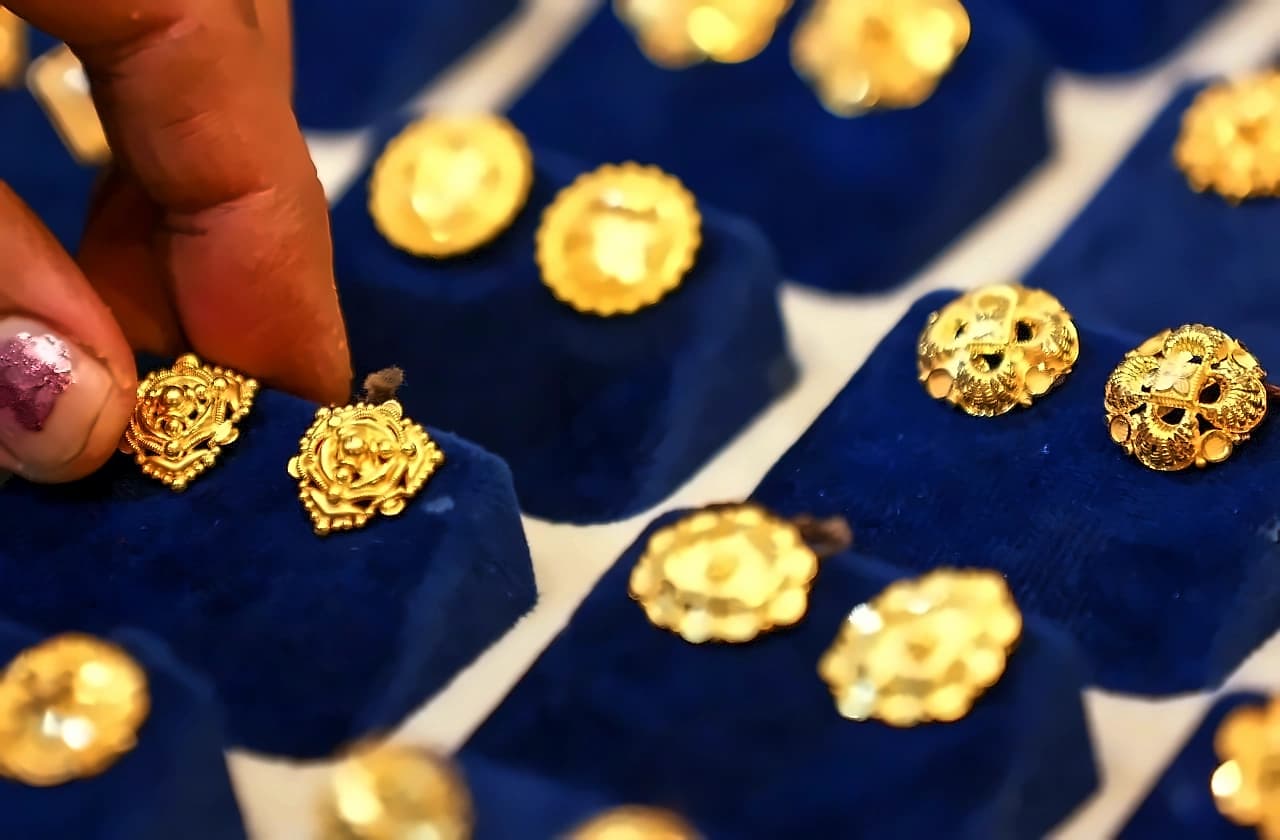
Industry experts point to a noticeable shift in how consumers approach gold purchases, with Kaushlendra Sinha, CEO of IAGES, highlighting that while the cultural significance of buying gold on Akshaya Tritiya remains intact, consumers are increasingly combining sentiment with informed decision-making. Jignesh Mehta, Managing Director and Founder of Divine Solitaires, observed that consumers are becoming more discerning, focusing on intrinsic value, quality and long-term security when investing in gold and jewellery. Resha Jain from GIVA notes that in 2026, Akshaya Tritiya purchases have become more intent-led and investment-conscious. There's a noticeable shift toward lightweight, wearable jewellery that holds both emotional and long-term value, rather than heavy, occasion-only pieces. Coins and idols are seeing strong traction as pure investment buys, preferred for their liquidity, lower making charges, and symbolic significance. This evolution reflects the convergence of traditional cultural buying with modern informed investment approaches, ensuring that gold retains its emotional and cultural significance while gaining acceptance as a financial instrument.