
Small Finance Banks (SFBs) have approached the Reserve Bank of India to ease key regulatory prescriptions governing their loan portfolio composition. According to reports from The Hindu BusinessLine, these niche banks are seeking relaxation of the current requirement that mandates at least 50% of their loan portfolio to comprise loans up to ₹25 lakh. The banks have proposed two specific changes: reducing the 50% criteria to approximately 40% or doubling the loan limit to ₹50 lakh.
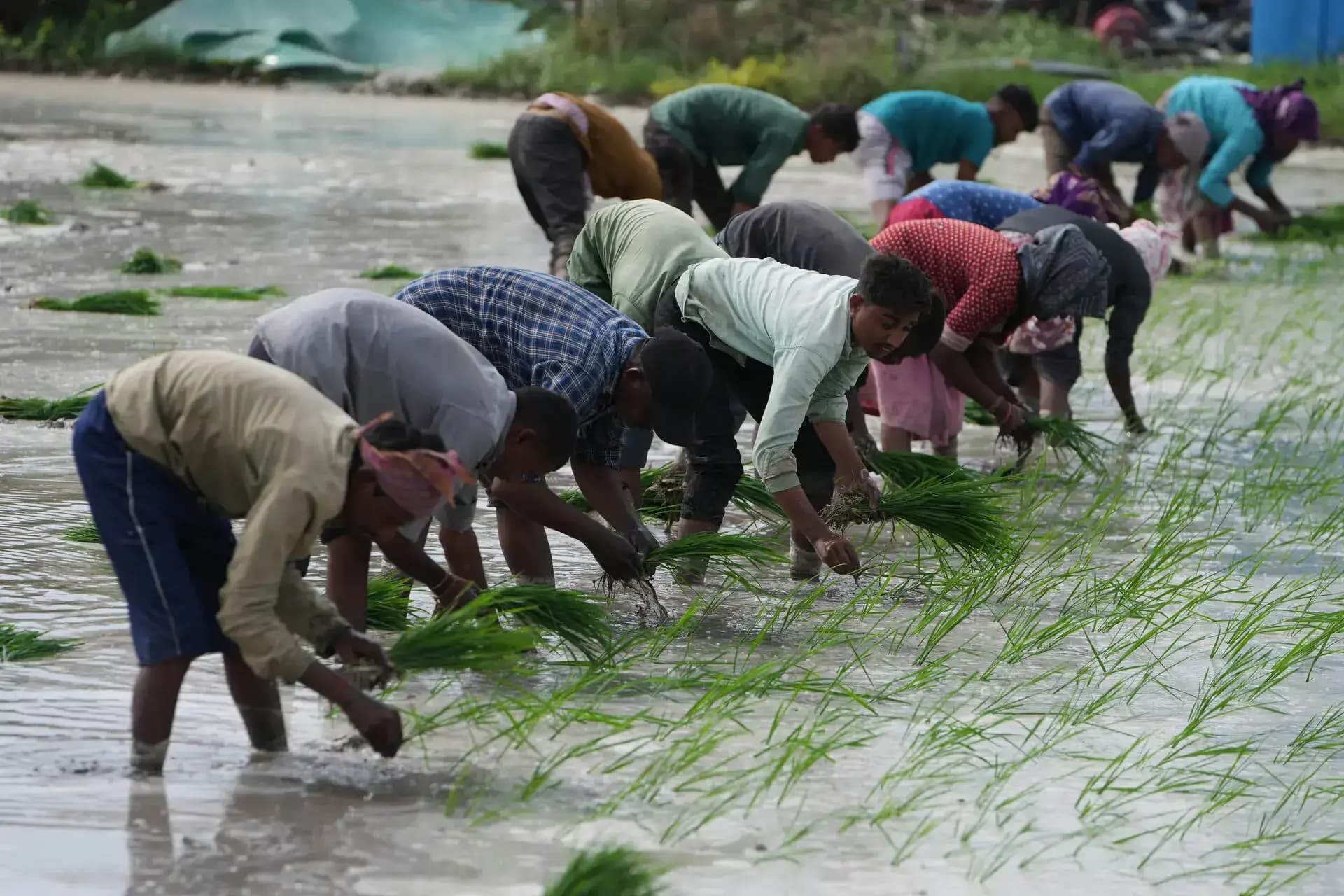
The regulatory request comes amid growing concerns about asset quality in rural lending portfolios following challenging weather conditions. According to The Financial Express, the southwest monsoon ended at approximately 87% of the long-period average, with drought conditions reported in parts of Maharashtra, Karnataka and Telangana. These developments have raised concerns regarding borrowers' repayment capacity, particularly in regions where lending is concentrated in agriculture-linked activities, vehicle finance, personal loans and microfinance.
State Bank of India has identified a ₹10,000 crore agricultural loan portfolio across three drought-hit states for restructuring, following resolutions passed by respective State Level Bankers' Committees to extend relief to affected borrowers. However, SBI Chairman C.S. Setty noted that the bank's experience indicated that relatively few borrowers avail of such relief, with actual uptake expected to remain limited as restructuring would depend on farmers providing consent. SBI's agricultural advances stood at ₹4,51,438 crore as of September 2026, registering a growth of 22.64% year-on-year.
According to RBI data reported by The Hindu BusinessLine, as of end-March 2025, 11 SFBs were operational with 7,403 branches. These banks collectively maintained deposits and loans & advances aggregating ₹3,15,401 crore and ₹2,72,481 crore, respectively. SFBs continue to provide formal saving avenues to unserved and underserved sections while supplying credit to small business units, small and marginal farmers, and other unorganised sector entities through high technology and low-cost operations.