The current fertilizer crisis has emerged as a systemic shock to the global agrifood system, according to the Food and Agriculture Organization (FAO). As reported by FAO Director-General QU Dongyu, the dependency of agrifood systems on a limited number of trade bottlenecks and fertilizer suppliers has been exposed through the ongoing crisis. The World Meteorological Organisation has warned that the El Niño weather phenomenon could increase the risk of extreme weather, posing multiple risks for agrifood systems. The crisis illustrates how modern agriculture is fundamentally linked to fossil fuels, with disruptions to energy flows quickly cascading into fertilizer shortages that constrain agricultural production and drive food price instability.
India's rural-focused bankers are closely monitoring monsoon patterns as patchy rainfall in agrarian belts of east-northeast and north-central India poses inflation risks for summer crops and rural incomes. According to reports from The Economic Times, the monsoon rainfall deficit narrowed to 16% below the long period average as of July 27, following a renewed pickup in intensity. However, a strong harvest of the Rabi-or winter-sown-crop has provided some financial cushion for lenders offering credit to those relying largely on farm-gate incomes. The combination of fertilizer shortages and weather uncertainties creates a double burden for farmers, with input costs rising sharply while output market volatility erodes production margins.
Early stress is already visible in the micro-enterprise business loan and personal loan segments, reflected in a rise in special mention accounts (SMA-1) due for 31-60 days. As reported by The Economic Times, Bank of India managing director Rajneesh Karnatak acknowledged there has been some de-escalation in the personal loan book, stating the bank needs to protect asset quality while remaining watchful of the current crisis in West Asia and monsoon problems. Lenders may slow small-ticket loan delivery due to risk aversion as patchy rains could potentially slow credit delivery to small-ticket loan segments. The situation is beginning to pinch lenders, with banks adopting a risk-off strategy that could impact credit flow to vulnerable segments.
Bandhan Bank, which is aiming to expand its emerging entrepreneur business loans 5-10% in the next few quarters, said it would peg growth at the lower end if the situation remained vulnerable. According to The Economic Times, V Vaidyanathan, managing director of IDFC First Bank, confirmed they are tracking the monsoons closely, tracking data of weather systems, sowing data, IMD forecast and drought patterns, state-wise and district-wise monsoon data, mapping it to their portfolio. The bank has kept aside adequate provisions for any untoward situation. The crisis has highlighted the lack of financing mechanisms to support transition, with states needing greater investment in agricultural extension services to train farmers in efficient input use and sustainable practices.
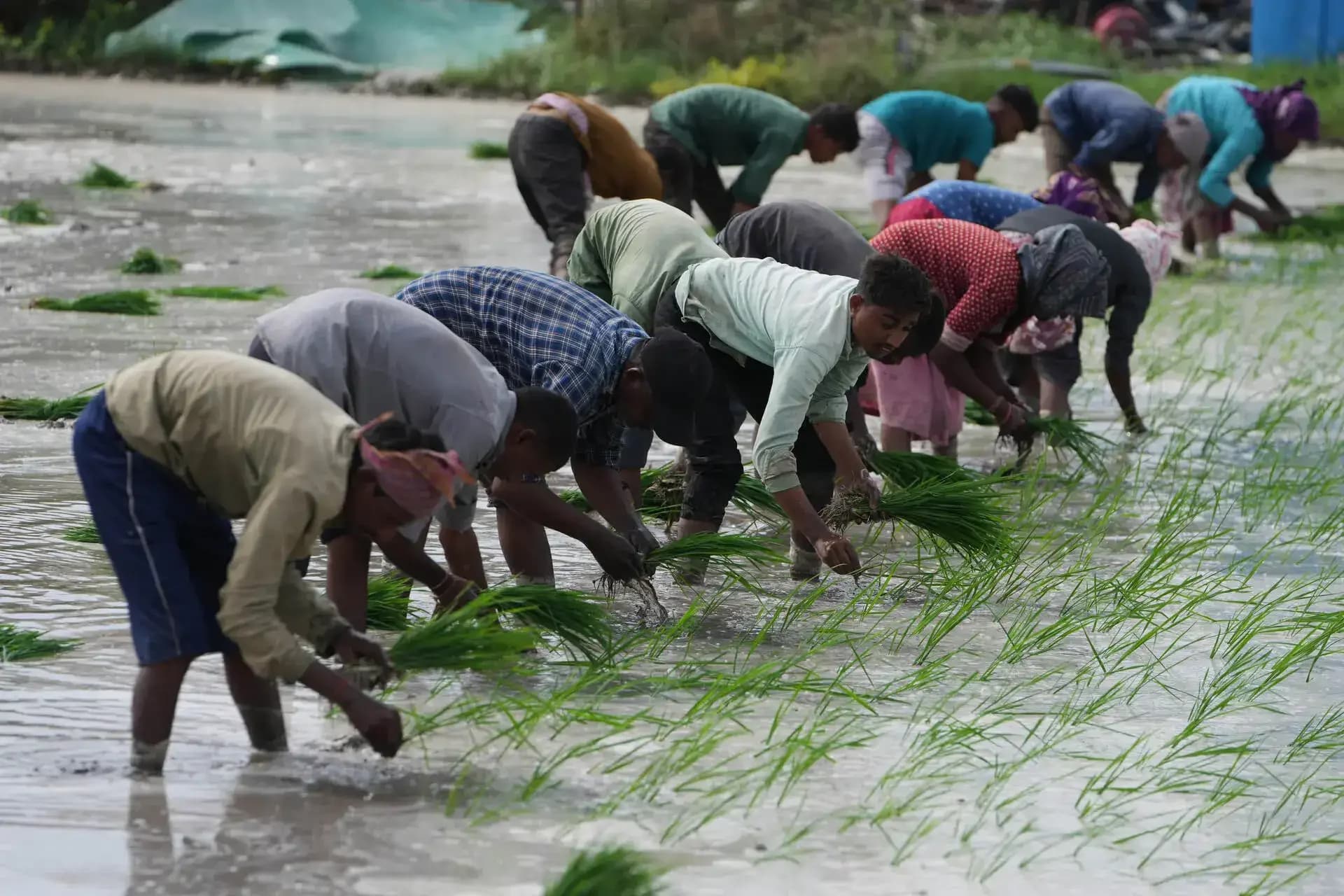
Kharif sowing until the first half of July has generally trailed historical averages on acreage across all major crops, potentially hurting output volumes and rural incomes. As reported by The Economic Times, Aastha Gudwani, India chief economist at Barclays, noted that Kharif sowing continues at a robust pace but the gap with last year's sown area is likely to persist. Nominal non-farm wage growth has declined as evidenced in slower wage growth under the national rural employment guarantee programme, while food and fuel inflation are beginning to rise. A Reserve Bank of India (RBI) consumer survey in May shows sentiment had worsened even before the monsoon forecasts were known, with rural consumers showing negative sentiment on their current perception of employment and price levels. The RBI is expected to hold the policy rate early next month, pending clarity on the monsoon and the West Asia conflict. Despite these challenges, data on consumption of two wheelers, tractors and durables do not show a correspondingly sharp pullback, suggesting some resilience in rural demand.