The Reserve Bank of India maintained its repo rate at 5.25 per cent with a neutral stance, as widely anticipated by markets. RBI Governor Sanjay Malhotra announced that the Monetary Policy Committee unanimously decided to retain the short-term lending rate unchanged, citing geopolitical uncertainties that have risen since the last policy meeting. According to The Hindu BusinessLine, Malhotra stated that the economy is confronted with a supply shock and it is prudent to wait and watch the changing circumstances and the evolving growth-inflation outlook. This decision comes after the consumer price index-based headline retail inflation moved closer to the RBI's medium-term target of 4 per cent at 3.21 per cent in February.
The central bank projected inflation at 4.6 per cent for 2026-27, within its 2 per cent to 6 per cent target range, and core inflation at 4.4 per cent. As per The Hindu BusinessLine, Malhotra noted that risks have risen due to volatile oil markets and the possibility of "second-round effects." For the first 11 months of 2025-26, average inflation stood at 1.95 per cent, while India's retail inflation had dropped to 0.25 per cent in October 2025, the lowest since the CPI series was introduced. The Governor emphasized that the RBI stands committed to containing excessive or disruptive volatility to ensure that self-fulfilling expectations do not exacerbate currency movements beyond what is warranted by fundamentals.
Despite various shocks, the RBI is projecting a GDP growth of 6.9 per cent for the current financial year, as reported by The Hindu BusinessLine. This projection is lower than the expected 7.6 per cent growth in FY26. Malhotra explained that growth impulses continue to be supported by robust private consumption and investment demand, but the West Asia conflict is likely to impede growth. Higher input costs associated with an increase in energy prices and international freight and insurance costs, along with supply-chain disruptions that would constrain availability of key inputs for downstream sectors, would impair growth. The MPC noted that the intensity and duration of the conflict and damage to energy and other infrastructure add risks to the inflation and growth outlook.
The rupee has depreciated by over 4 per cent since the war and about 7 per cent over the past year, making imports costlier and adding to inflation concerns. It touched a record low of 95.21 on March 30, 2026. Following the ceasefire and recent measures, including restrictions on offshore speculative activity, the rupee appreciated by 50 paise to 92.56 against the US dollar. According to The Hindu BusinessLine, Malhotra explained that forex market measures were taken to check excessive volatility of the rupee, which are not in any sense a structural change. "Forex market measures are not going to be there forever," he emphasized. The Governor reiterated that exchange rate policy remains unchanged, with intervention aimed at smoothening excessive and disruptive volatility without targeting any specific level or band for the exchange rate.
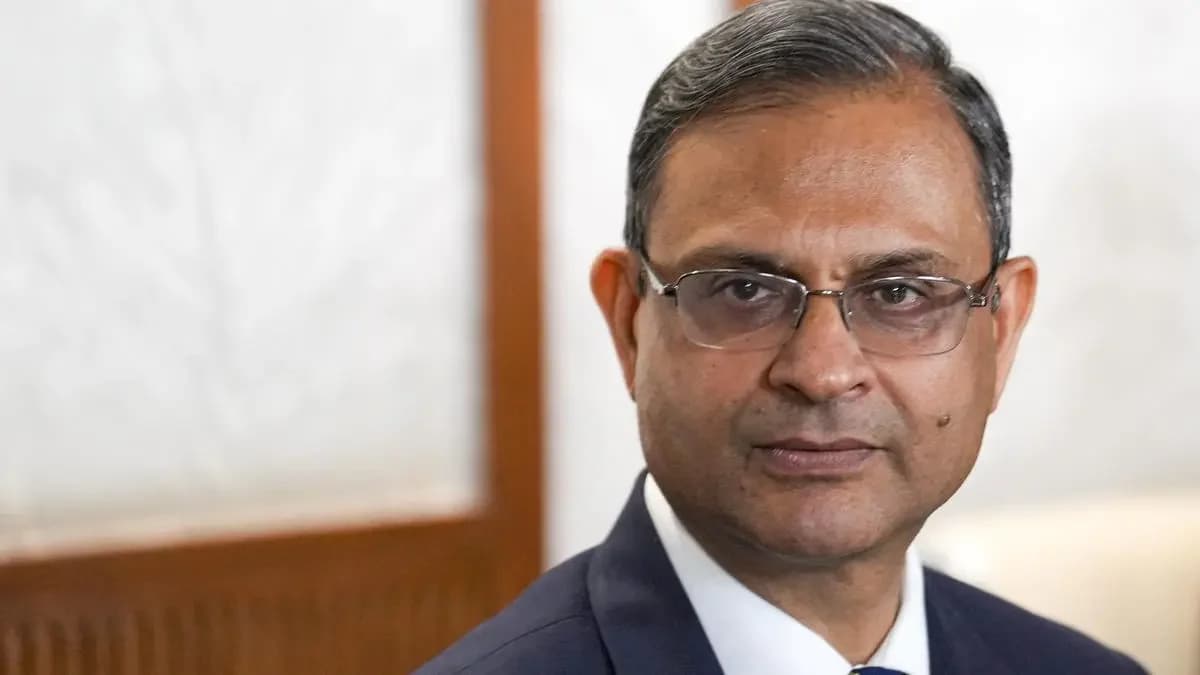
Responding to concerns about global financial stability, Malhotra reassured investors about the health of domestic lenders. "The banking system is very resilient, and it is safe from regulatory pressures and supervisory frameworks," he said, attributing this strength to the structural reforms and government measures taken over the past few years. The Governor directly addressed the recent leadership transition at HDFC Bank, which had sparked market speculation. Following a formal review, Malhotra provided a clear "no material concern" signal for the lender. "Nothing related to governance or conduct was noticed during the supervisory inspection," he said, adding that the introduction of fluctuation reserves was specifically intended to bring harmony between different bank types.