India's currency in circulation has demonstrated accelerating growth trends, with ₹42.90 lakh crore recorded as of August 15, 2026, representing a 0.30% increase on the fortnightly basis, according to the latest RBI data. This growth rate has significantly outpaced the previous year's performance, with currency circulation rising 12.4% year-on-year compared to 8.3% at the same time last year. The current fiscal year has seen currency in circulation add 3% so far, while reserve money has moved up 2.6% in the same period. This latest data reinforces the sustained growth trajectory that has seen the currency stock more than double since FY16, when it stood at ₹16.63 lakh crore.
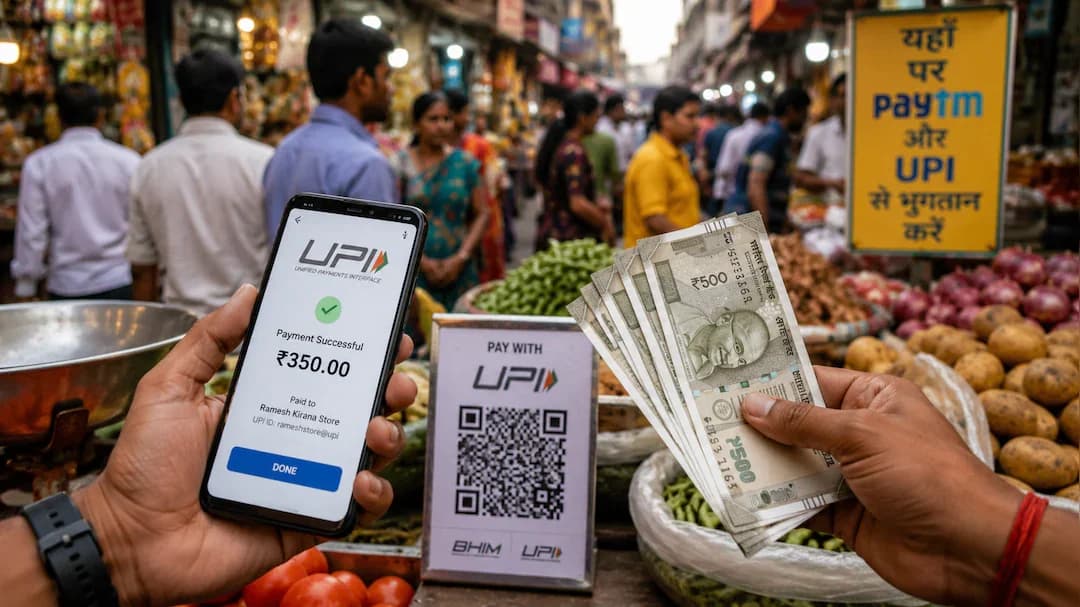
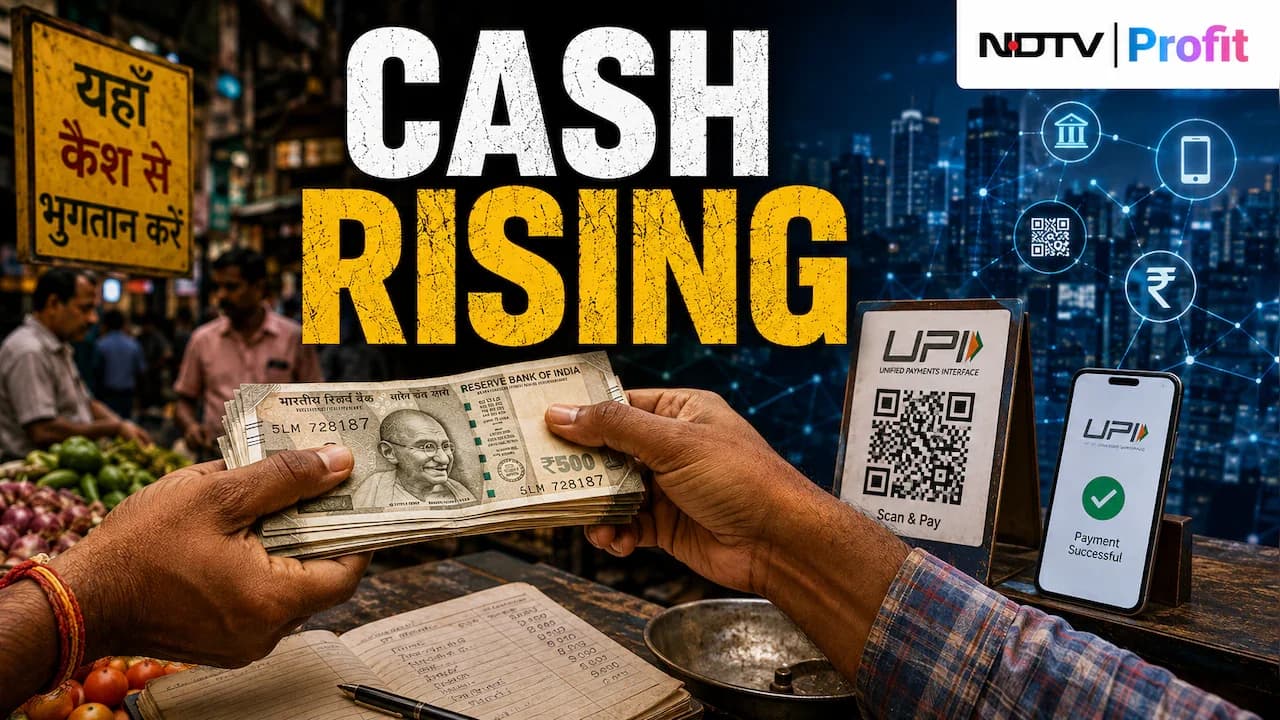
Despite the growth in cash circulation, digital payments through UPI and other platforms continue to surge, as reported by RBI Deputy Governor Murmu. However, cash usage has doubled over the decade, rising from ₹16.63 lakh crore in FY16 to the current levels. The coexistence of cash and digital payments is particularly evident in non-tier-I cities, among low-income groups, older populations, and small businesses. ATM withdrawals show this trend, with average monthly cash dispensation standing at around ₹1.30 crore in calendar 2025, indicating continued consumer preference for physical currency despite wider digital access.
Rising incomes outside metros are significantly fueling cash demand and consumption, according to Ministry of Statistics and Programme Implementation data. Rural monthly per capita consumption expenditure has jumped 164% over the past decade, pointing to a sharp rise in rural consumption capacity. This growth in rural spending power continues to support the demand for physical currency, particularly in non-metro areas where cash remains the preferred payment method for many transactions.
For small retailers, digital payment economics may influence their payment preferences, with potential merchant discount rates (MDR) on UPI potentially making cash more attractive for thin-margin businesses. This economic consideration, combined with the practical convenience of cash transactions, continues to support physical currency usage even as digital payment infrastructure expands. The data suggests that India's digital transformation hasn't eliminated cash usage but rather created a complementary payment ecosystem where both digital and physical currencies serve different transaction needs.