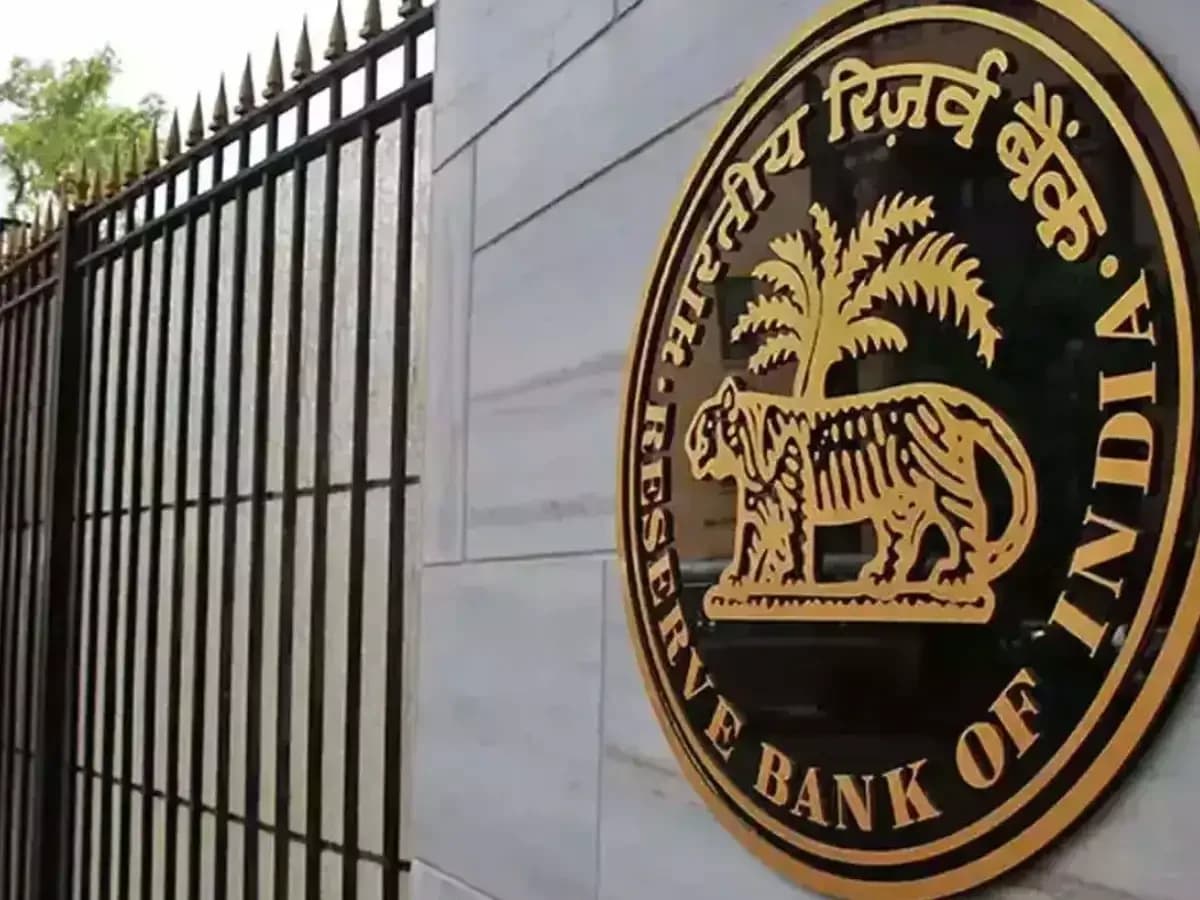
The Reserve Bank of India has revised its foreign exchange playbook by imposing a mandatory daily limit of $100 million on Authorised Dealers' Net Open Position (NOP-INR) in the local deliverable market, replacing the earlier cap of 25% of Tier 1 capital, according to DBS Group Research. This measure, effective April 10, is aimed at curbing excessive positioning in the currency market. In a knee-jerk reaction, the INR rallied sharply to the upper-93 levels on expectations that arbitrage flows would weaken under the new directive and that offshore–onshore curves would diverge. However, INR gains proved to be short-lived, with rupee weakening to a new low, below 95/USD, as high energy prices continued to pose risks to external balances and financial market stability.

Bank economists have advised the Reserve Bank of India at a pre-policy meeting that there is no immediate need to either raise the repo rate or change the stance, provided inflation remains within the central bank's tolerance band, according to multiple participants in the discussions reported by The Economic Times. The economists also noted that RBI has alternative tools to manage currency pressures and is unlikely to resort to a rate hike unless the impact becomes visible in inflation. As reported by The Economic Times, discussions at the meeting were largely centred on the war, the risk of a pick-up in inflation, and the expectation of a global growth slowdown.
Inflation forecasts by participants ranged from 3.5% to 5%, depending on where they see oil prices to average, according to an economist who participated in the discussions reported by The Economic Times. No one in the meetings suggested a rate hike or even a change in stance, as there is little clarity on how the situation in West Asia will evolve. The central bank's monetary policy committee is scheduled to announce its first rate decision of FY27 on April 8. According to The Economic Times, calls for a status quo are also emerging amid deep uncertainty over the duration of the US-Israel war on Iran.
Retail inflation stood at 2.75% in January, while GDP in Q2FY26 climbed 8.2%, as reported by The Economic Times. RBI in its February policy projected inflation in Q1 and Q2 of FY27 at 4% and 4.2%, while GDP of Q1 and Q2 FY27 is projected at 6.9% and 7%, respectively. The meeting comes in the backdrop of the West Asia war, rising crude oil prices and inflationary pressures, with Brent crude prices seeing a record surge in March, rising by roughly 60-64% compared with February levels, according to Reuters, and have traded between $110 and $120 per barrel since the war broke out.
Bond yields and OIS rates have risen on fiscal and policy concerns, with the benchmark 10Y bond yield rising to 7% for the first time since mid-2024, due to the impending fiscal burden and steady supply of states' issuances, according to DBS Group Research. Overnight index swap (OIS) rates also rose sharply, as investors factored in the risk of a tighter policy stance. To the extent the ongoing energy shock does not translate into CPI inflation breaching the target durably, we believe the RBI MPC is unlikely to resort to rate hikes, said a Barclays report, as reported by The Economic Times. More than the current inflation print, it is the outlook on how the situation would evolve in West Asia which would determine the policy decision on rates, according to ICICI Bank in a report early March.