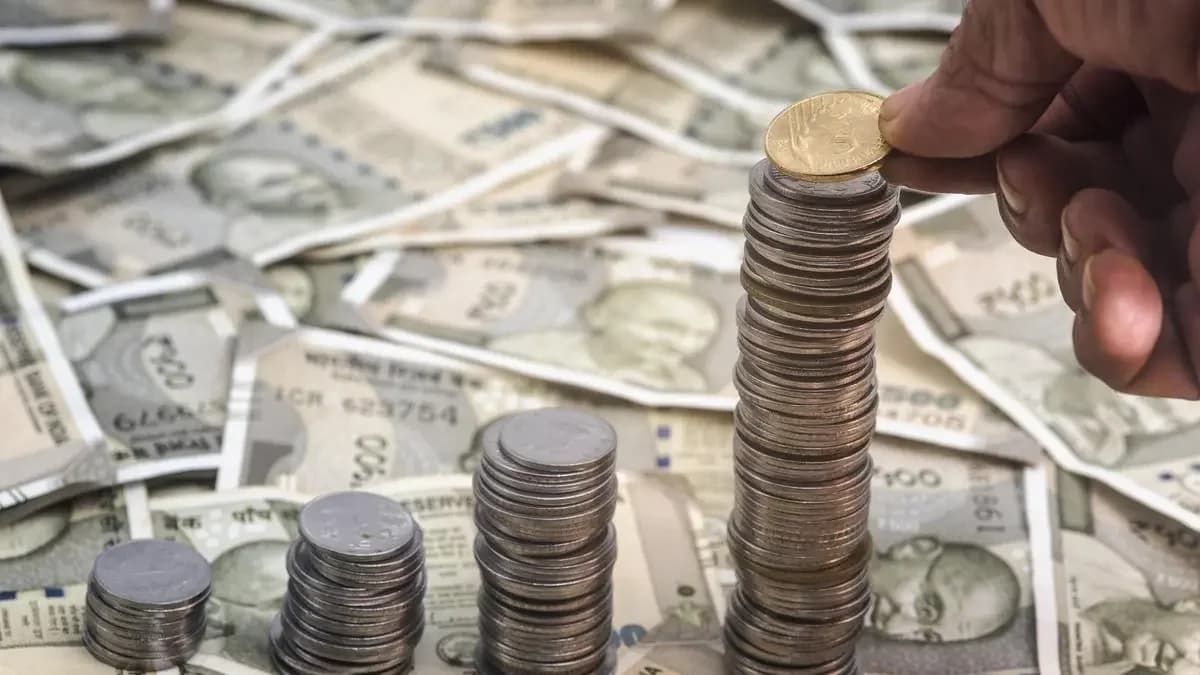
Banks rushed to settle their foreign exchange positions ahead of Friday's deadline set by the Reserve Bank of India (RBI), with five treasury officials confirming the compliance efforts to Mint. On 27 March, the RBI capped banks' net open positions (NOPs) in the domestic market at $100 million at the end of each business day, with compliance mandated by 10 April. According to The Economic Times, Indian lenders have largely exited their net open positions in overseas foreign exchange markets, reducing aggregate positions from $40 billion to an estimated $4-7 billion by Thursday's end. Banks sought to complete the bulk of the unwinding ahead of the April 10 deadline rather than risk last-minute adjustments.
The Reserve Bank of India maintained the repo rate at 5.25% in April, marking its second pause this year after a 25 basis points reduction in December. Economists expect this prolonged pause to continue through FY27, with most anticipating no immediate tightening as the pass-through of higher global energy prices remains limited. As per The Economic Times, while a majority do not expect any rate action in FY27, economists say the next move, if any, is more likely to be an increase than a cut, assuming the Iran conflict does not persist long enough to hurt growth. Anil Bamboli, fixed income head at HDFC Asset Management Company, noted that the governor's acknowledgement of current real rates being elevated implies no urgency of raising rates in the near term.
The unwinding has significantly impacted the Indian rupee's performance, with the currency trading at 92.65/$ on Thursday, up from its previous close of 92.58/$, as reported by The Economic Times. On Thursday, the currency traded in the 92.94/$ to 92.53/$ range and ended at 92.65/$, showing recovery from earlier lows. Before the measures took effect, the rupee had hit historic lows of 95.22 to a dollar on March 30. After scaling back open positions to the now permitted threshold of $100 million, the rupee is expected to trade in the 93/$ to 94.50/$ range with a gradual depreciating bias, with gains potentially capped at 92.50/$.
On 8 April, RBI governor Sanjay Malhotra assured markets that the aim of recent rupee measures was to curtail excessive volatility and did not signal any structural change, as reported by Mint. Malhotra stated that the measures are not going to remain forever and emphasized commitment to the development, broadening and deepening of markets and rupee internationalization. The rupee has fallen by nearly 5% against the dollar since the war in West Asia broke out on 28 February, having shed 11% in FY26 due to continuous FPI selling. The central bank's latest monetary policy report shows it expects the rupee to average 94/$ in FY27 through which policymakers expect average oil prices at $85 per barrel.
State Bank of India (SBI), which had about $5 billion in net open positions, squared up on Thursday, as reported by The Economic Times. A trader from a state-run bank confirmed that SBI sold dollars around 92.94/$ to square up its net open positions in the last hour of trade at around 2:30 PM on Thursday. Market experts expect the rupee's gains to be limited, with Sajal Gupta, head of forex and commodities at Nuvama, stating that chances of appreciating from 92.50/$ levels are very low as importer and oil companies buy at this level. Anil Bhansali, head of treasury at Finrex Treasury Advisors, concurred that higher crude prices, yields, overseas fund outflows and the dollar index would keep the rupee under pressure.
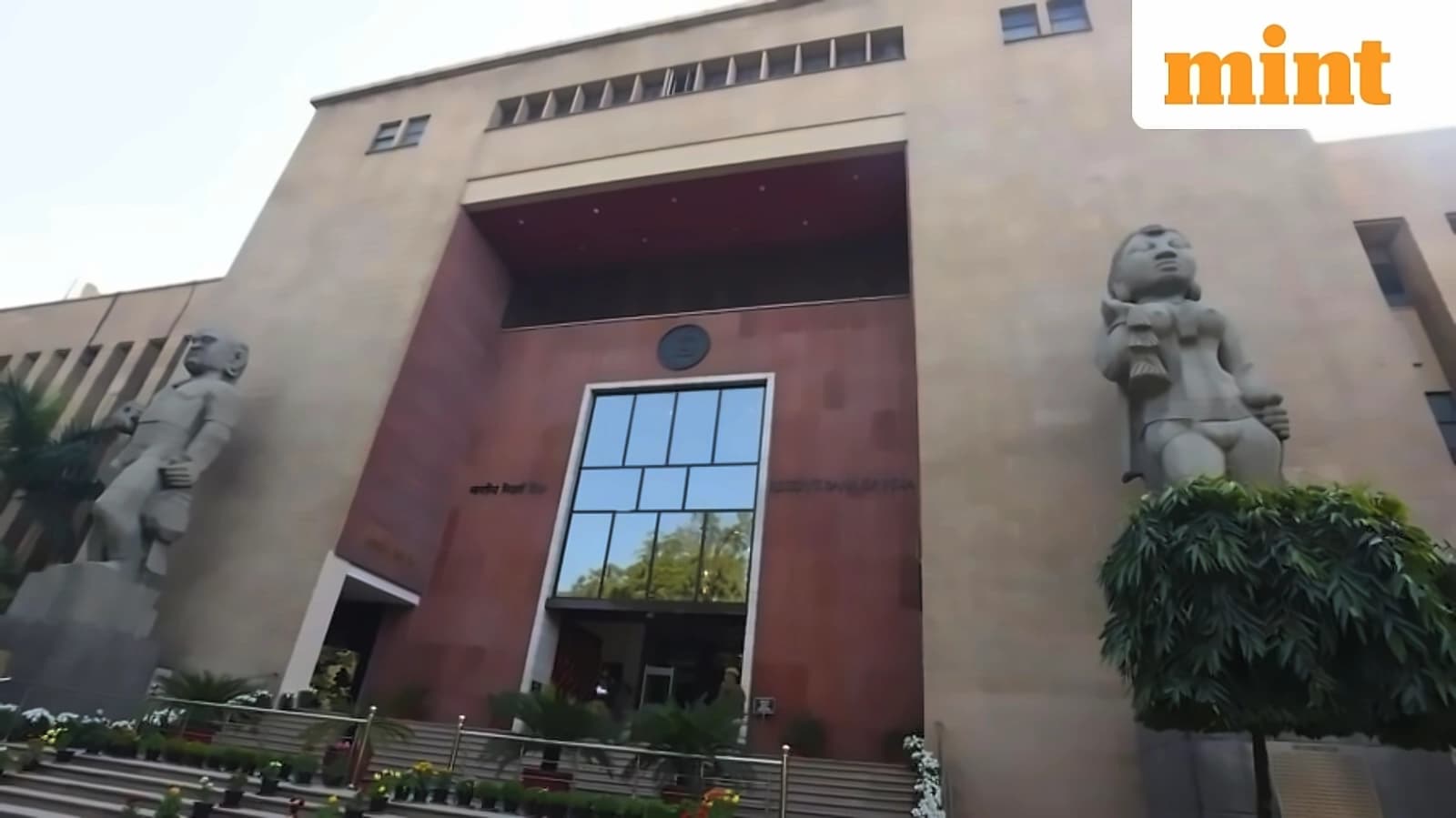
Despite the governor's assurance, market participants do not expect a rollback in the near term, according to Mint reports. A senior treasury official noted that while the measures are temporary, they are unlikely to be reversed until the war settles down. On 10 April, Reuters reported that the RBI plans to move ahead with a proposal mandating banks report offshore rupee derivative trades despite lender objections. The trajectory of policy rates will depend on how much of the oil price shock is passed on to consumers, with economists noting that while the Iran war will drive RBI's future trajectory, it could also mean lower growth and thus lower rates. As per DSP Mutual Fund, it's too early to even talk about rate hikes given the lingering growth concerns.