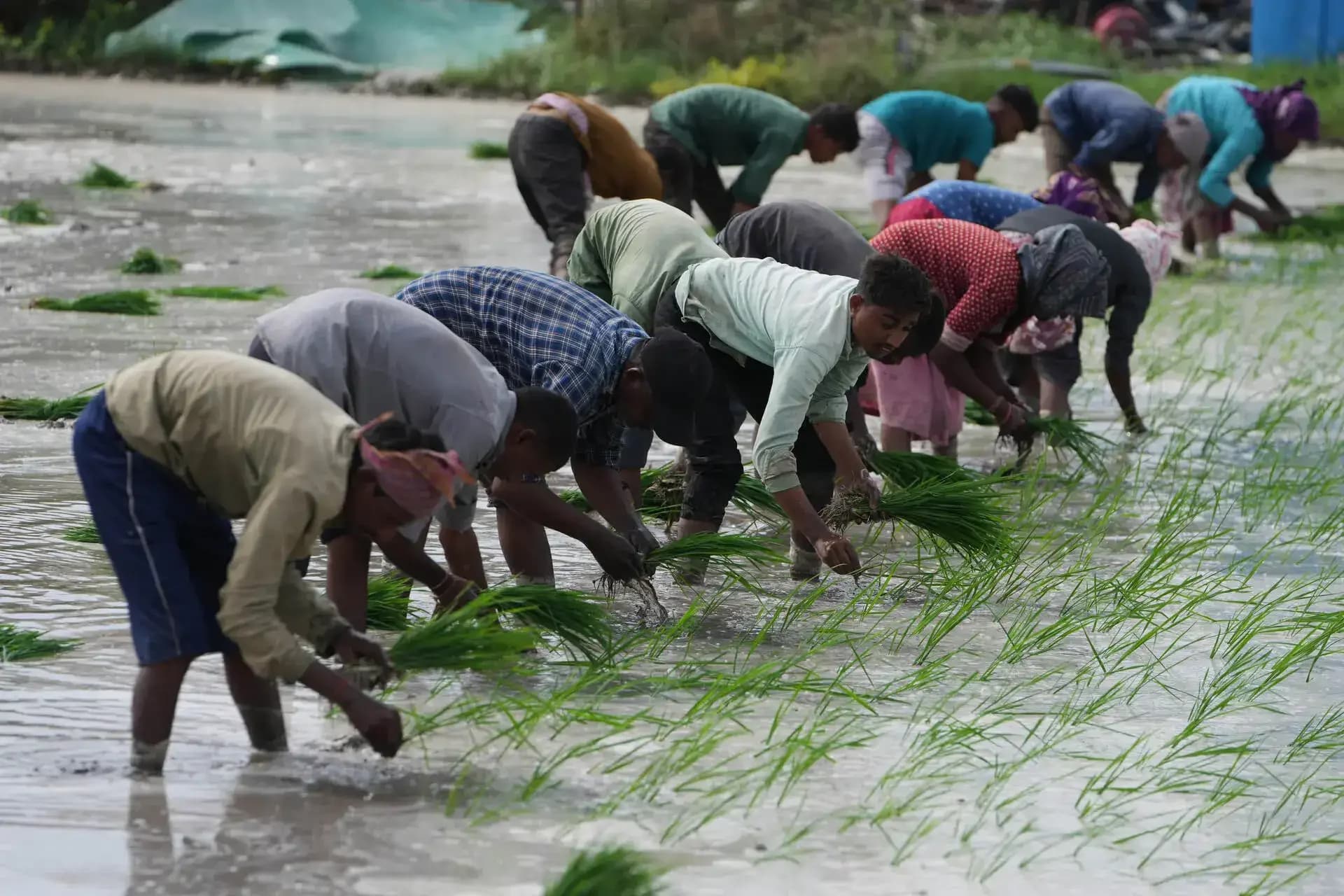
According to AM Karthik of ICRA Ltd, monsoons are emerging as a key macroeconomic variable in the current fiscal and could have a disproportionate impact on agriculture and related segments. Banks' agriculture NPAs currently stand at 4.5%, which is higher than other segments and could witness near-term volatility. The microfinance segment faces particular vulnerability, with close to two-thirds of its loans towards borrowers focused on agriculture and allied activities, and more than 80% of the loans in rural areas. As reported by ICRA, the added shock of lower agriculture income due to weak monsoon could result in borrowers facing near-term cash flow stress, impacting their debt servicing capability. In view of these macroeconomic headwinds, lenders are likely to have an elevated risk expectation in the near term, especially in rural markets.
Private consumption was healthy in the last fiscal, and headline indicators suggest the trend continued in Q1 FY2027 despite concerns emerging from West Asia. However, the urban and rural consumer confidence survey by the RBI indicates sustained weakening in May 2026 with the likelihood of increased inflation. Household debt has steadily gone up, largely due to consumption loans, which account for about 60% of their borrowings at present. The adverse impact on disposable income, risk of job loss and expectation of inflationary pressure would affect consumption, leading to cash flow mismatches that could force borrowers to leverage further. This creates a challenging environment where households face increased financial pressure and may be forced to seek additional credit to maintain their standard of living.
NBFCs slow down disbursements, tighten their credit norms and prioritise collections and loan quality over loan growth when macroeconomic headwinds intensify. According to ICRA, NBFCs' cost of borrowing can increase due to inflationary pressure from lower agricultural output and increased risk perception by their lenders. While they can pass on cost increases to target borrowers or diversify product offerings, near-term earnings performance could be affected. NBFCs currently maintain healthy balance sheets with low leverage and adequate liquidity, while their short-term liabilities remain under control. NBFCs with a more diversified exposure and lower direct dependency on agriculture will be more immune to the stress in the event of weaker monsoons, providing some resilience to the sector.
Agriculture loans would be directly impacted, while other unsecured business and personal loans would see elevated volatility. Loans extended by other NBFCs to rural borrowers include agriculture/agri-allied loans, small unsecured business loans (loan size in the range of ₹1-5 lakh), used vehicle (UV) loans (₹2-6 lakh), personal loans (₹0.1-1 lakh), micro loan against property (₹1-5 lakh) and gold loans. Overdues in secured loans can increase in cases like vehicle loans that are predominantly linked to agricultural activities or businesses, as well as in the case of MLAP, gold loans, which largely cater to the rural/semi-urban ecosystem. Gold loans had supported credit flow in the past during macroeconomic headwinds and are expected to be preferred products now, though the impact of recent steep and sustained correction in gold prices on credit offtake remains to be seen.

Microfinance institutions (MFIs) are currently recovering from the loan quality shock that impacted their growth and financial performance in 2024 and 2025. The sector has tightened credit underwriting norms to address concerns around borrower overleveraging, which was the key reason for the stress witnessed in recent past. Despite tighter guardrails, caution based on the macroeconomic data and ground-level signals like rainfall distribution, sowing data, volatility in household income and loan bounce rates is warranted to ensure loan quality adequacy. Notwithstanding the tighter guardrails within which MFIs operate at present, the sector remains vulnerable to the broader agricultural income shock from weak monsoons, requiring continued vigilance in underwriting practices.