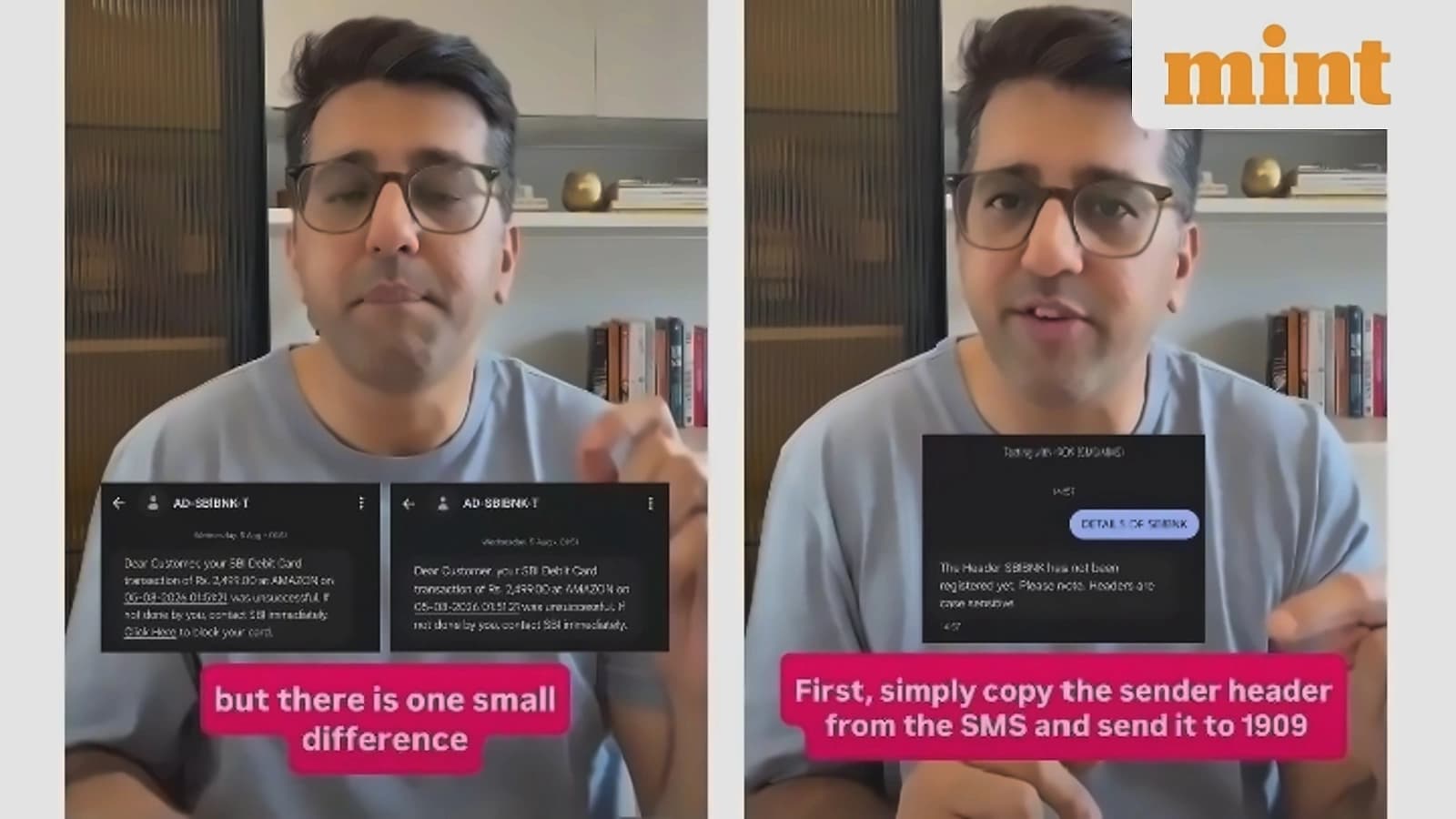
The Telecom Regulatory Authority of India has launched a comprehensive crackdown on spam communications, blocking 1.83 lakh telecom resources in the quarter ended June 30, 2026. According to TRAI's latest quarterly report, the authority's AI system flagged 24.43 billion suspected spam calls and SMSs in the first quarter of fiscal 2027. The regulatory body also blocked 2,873 SMS headers during April-June 2026, which are typically spoofed, unverified and unregistered sender IDs. Additionally, TRAI sent out 243,000 warning notices to entities suspected of spamming activities within one week of commencement of such notifications.

TRAI's 'Do Not Disturb' (DND) app has emerged as a crucial tool in the fight against spam, blocking 1.48 billion promotional calls and 7.3 billion promotional SMSs in the first quarter of fiscal 2027. The app, which users can install on their phones, received 1.085 million spam complaints during April-June 2026, with 1.5 complaints per million calls originated in the telecom network. As per TRAI's latest report, registered DND preferences enabled blocking of about 1.48 billion promotional calls and 7.30 billion promotional SMSs, demonstrating effective consumer preference enforcement. However, the telecom authority noted that over 1.12 billion subscribers are yet to enable their DND preferences, indicating significant room for improvement in user protection.
India's telecom operators have flagged to regulators that telemarketers may be routing critical banking SMSes, including transaction alerts, through unregulated channels, posing risks to consumer security. According to reports from Mint, operators have been observing a 50-80% dip in volumes of such traffic across major public sector banks, with the pattern appearing more like rerouting or delivery-path substitution than user churn or declining communication demand.
In multiple meetings with the joint committee of regulators (JCoR), which includes the Telecom Regulatory Authority of India (Trai), the Reserve Bank of India (RBI) and the Securities and Exchange Board of India (Sebi), operators conveyed that the number of messages delivered and recorded on telecom networks was lower than expected volumes from some telemarketers. As reported by Mint, across public sector banks, 60-70% of expected SMSes are being diverted and not recorded in telcos' delivery report systems, according to delivery report data shared with the JCoR.
Telemarketers are entities engaged by principal entities to undertake outreach to existing or prospective customers through telephone calls and bulk SMSes, with principal entities typically charged about 7 paise per SMS including termination charges. According to Mint's report, operators alleged that after securing contracts from banks, some telemarketers switch SMS delivery from regulated telecom networks to untracked channels to cut costs. This raises concerns about banks potentially paying for undelivered SMSes to telemarketers, as banks will have to pay even for undelivered SMSes to telemarketers in the former scenario.
TRAI has introduced the 140 series for promotional calls to ensure such calls originate from a dedicated numbering series, enabling consumers to easily identify and manage such calls. The designated series enables the consumer to exercise the choice of accepting or declining the call, as per TRAI's latest report. Additionally, the 1600 series was introduced for service and transactional calls by entities in Banking, Financial Services and Insurance sector, and for Government to citizen communication. Nearly 13.16 billion promotional calls originated via the dedicated 140 series between April and June 2026, with 1.15 billion calls originating from 1600 dedicated series numbers. The enforcement targeted multiple layers including outgoing barring, long-term disconnection, sender blacklisting across all operators and SMS header blocking to curb repeat violations.