ICICI Securities has upgraded South Indian Bank with a buy rating and raised the target price to ₹63 from ₹45, citing the bank's strong Q2 performance and improved fundamentals. The brokerage noted that the bank delivered a fitting finale to Mr. Seshadri's tenure as MD&CEO, with loan growth now ahead of system levels and net NPA at industry-best levels. ICICI Securities raised its target multiple to ~1.15x from ~0.8x, in line with forward RoA, reflecting confidence in the bank's growth trajectory under new leadership.
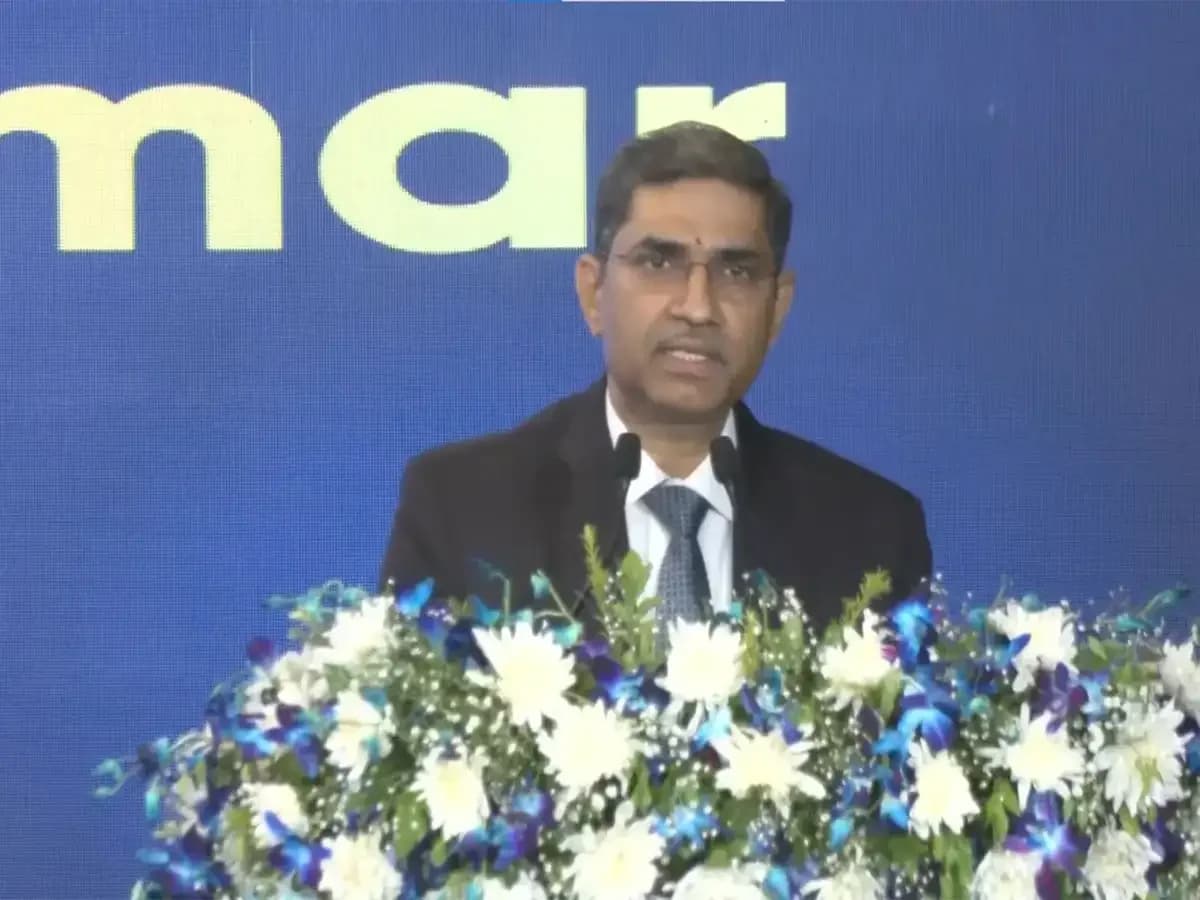
South Indian Bank is targeting 15-16% credit growth in FY27, driven primarily by its retail, agriculture and MSME (RAM) advances, according to managing director Mahesh Muralidhar Pai. The Kerala-based private sector lender expects RAM advances to grow at a higher level of 17-18%, with the segment currently constituting 61% of the bank's advances. As reported by Business Standard, Pai described the projections as "cautious" due to ongoing conflict in West Asia, which could lead to elevated oil prices, higher inflation, and deterioration in credit quality. The bank's festive-season growth strategy is specifically focused on the RAM segment, particularly retail lending and gold loans.
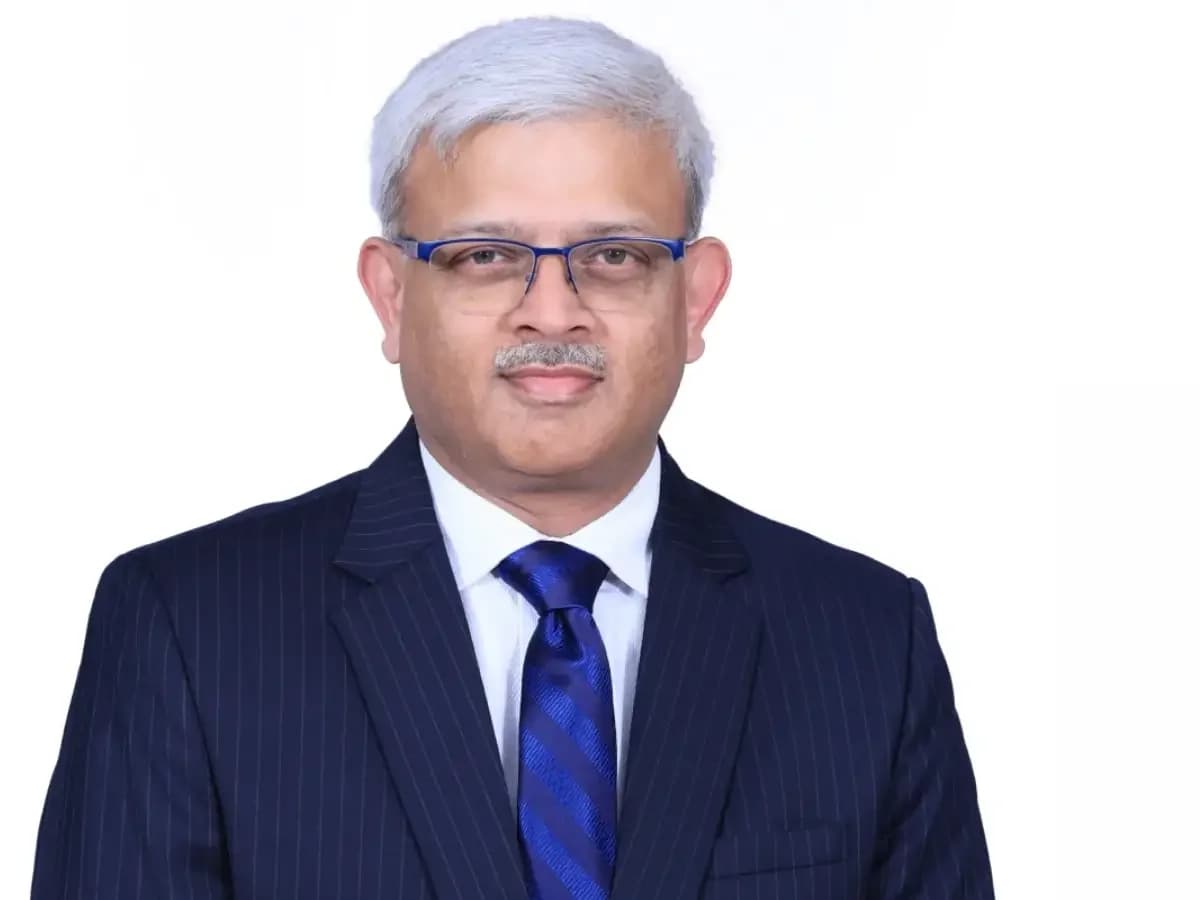
The bank aims to raise the share of retail, agriculture and MSME (RAM) loans to 65% in the next three years from 61% at present to boost margins, as stated by Pai. The bank currently maintains a 61:39 product mix in favour of the RAM sector. "Our major focus, going forward, will be on growing core income from the RAM segment rather than relying on lower-yielding corporate loans," Pai said. The bank will specifically emphasise loans against gold jewellery and mid-corporate loans as part of this strategy. Gold loans, which account for around 25% of the bank's portfolio, will remain a key growth area as the lender looks to expand its presence in the segment. An ideal medium-term target would be to achieve a 65:35 mix between RAM and other segments, with the current 61:39 ratio representing a significant improvement opportunity.
South Indian Bank plans to enter the credit card business within six months, marking a significant expansion into new financial services. As reported by Business Standard, the bank is currently doing ground-level work for this initiative and expects to launch credit cards in the early part of 2027. The bank has also started expanding its branch network after a six-year hiatus, adding around 11 branches over the past two quarters. Pai emphasised that the retail strategy will focus on the RAM segment, particularly branch banking, with branches delivering better customer experience and next-gen banking services to build a stronger franchise.
The bank delivered a strong Q2 performance with net NPA compressing ~17 basis points quarter-on-quarter, while Return on Assets (RoA) inched higher to 1.12%. As reported by ICICI Securities, the bank achieved a >50 basis points year-on-year NIM rise, demonstrating improved operational efficiency. The bank's gross advances increased by 18.67% year-on-year to ₹1.09 lakh crore, up from ₹92,286 crore in the year-ago period. The bank's net profit of ₹426 crore for Q2 FY27 was aided by increased margins and better asset quality, with the strong foundation in terms of growth (gold/MSME), net NPA (now lowest), ECL preparedness and tailwinds from hardening rate cycle supporting the positive outlook.
The bank's shares have responded positively to the growth targets and strong Q2 performance, with the stock gaining 1.5% to ₹103.50 following the announcement, as reported by Business Standard. ICICI Securities noted that the bank's strong foundation in terms of growth (gold/MSME), net NPA (now lowest), ECL preparedness and tailwinds from hardening rate cycle support the bullish outlook. The brokerage continues to monitor the new MD&CEO, Mr. Mahesh Pai's, broad vision and execution capabilities, while acknowledging that the Indian banking sector is currently at historically low levels of NPAs, with asset quality having improved significantly. Pai's vision to double or triple the bank's current 0.5% market share over the next three to five years positions the institution for significant growth in the competitive private banking sector.