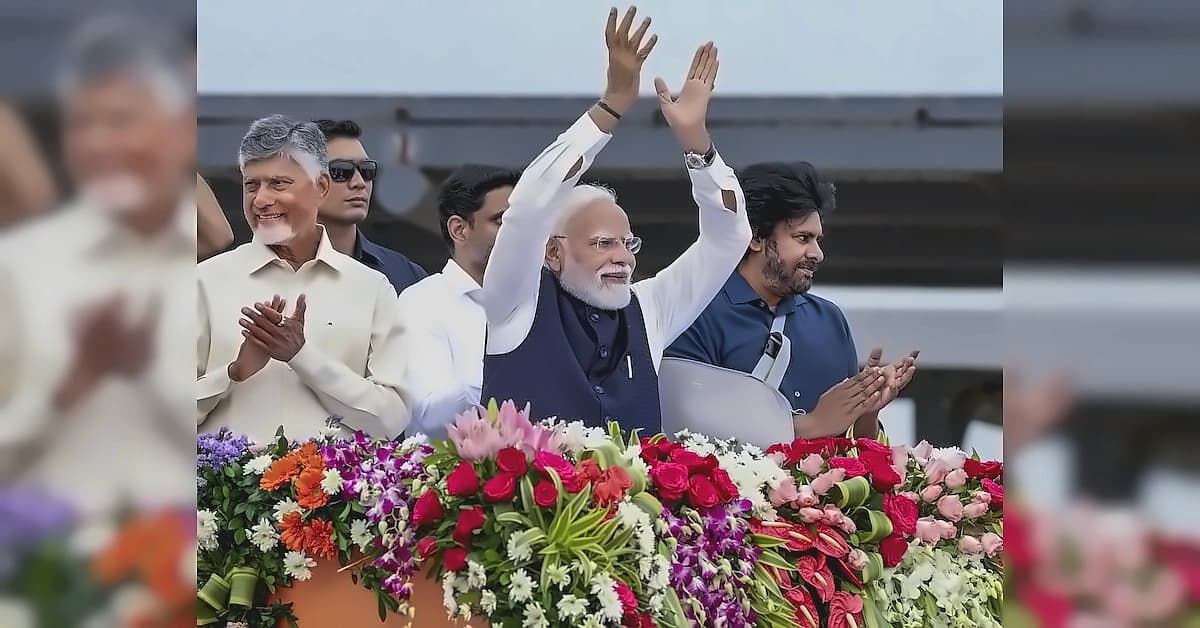
Union Finance Minister Nirmala Sitharaman emphasized the Centre's commitment to ensuring banking services reach every village and facilitating easier access for small entrepreneurs to institutional credit. Speaking at a mega credit outreach programme in Narasaraopet, Andhra Pradesh, Sitharaman highlighted that public-sector banks are increasingly reaching out to entrepreneurs and extending loans at their doorstep. According to The Hindu BusinessLine, she recalled the challenges in the banking system when she assumed office, noting that banks were burdened with high levels of non-performing assets while small entrepreneurs struggled to secure loans. Sitharaman alleged that UPA-era 'phone banking' led to massive NPAs and bank losses, claiming that between 2004 and 2014, the Central government used to dictate loan disbursements through phone banking from Delhi, directing banks to provide loans to selected individuals who were not eligible for such loans. Prime Minister Narendra Modi envisions banking services reaching every village in the country, with government-backed guarantee schemes enabling easier access to credit for small entrepreneurs.
Sitharaman and Andhra Pradesh Chief Minister N Chandrababu Naidu distributed loan sanction letters and cheques worth ₹3,216 crore to 1,03,246 beneficiaries in Palnadu district. As reported by The Hindu BusinessLine, the beneficiaries included 15,000 women belonging to Development of Women and Children in Rural Areas (DWCRA) groups and 13,355 entrepreneurs. The loans were distributed across specific sectors with ₹2,363 crore for the agriculture sector, ₹325 crore for MSME units, and ₹624 crore for housing, education, vehicles, and solar power projects. Prime Minister Narendra Modi introduced credit schemes backed by government guarantees to enable banks to lend more readily to small businesses, addressing the previous constraints in the banking system. As part of CSR initiatives, Union Bank of India donated an ambulance worth ₹42.16 lakh to the Government Hospital at Piduguralla, while NABARD provided two mobile demonstration vans worth ₹25 lakh to the District Cooperative Central Bank.
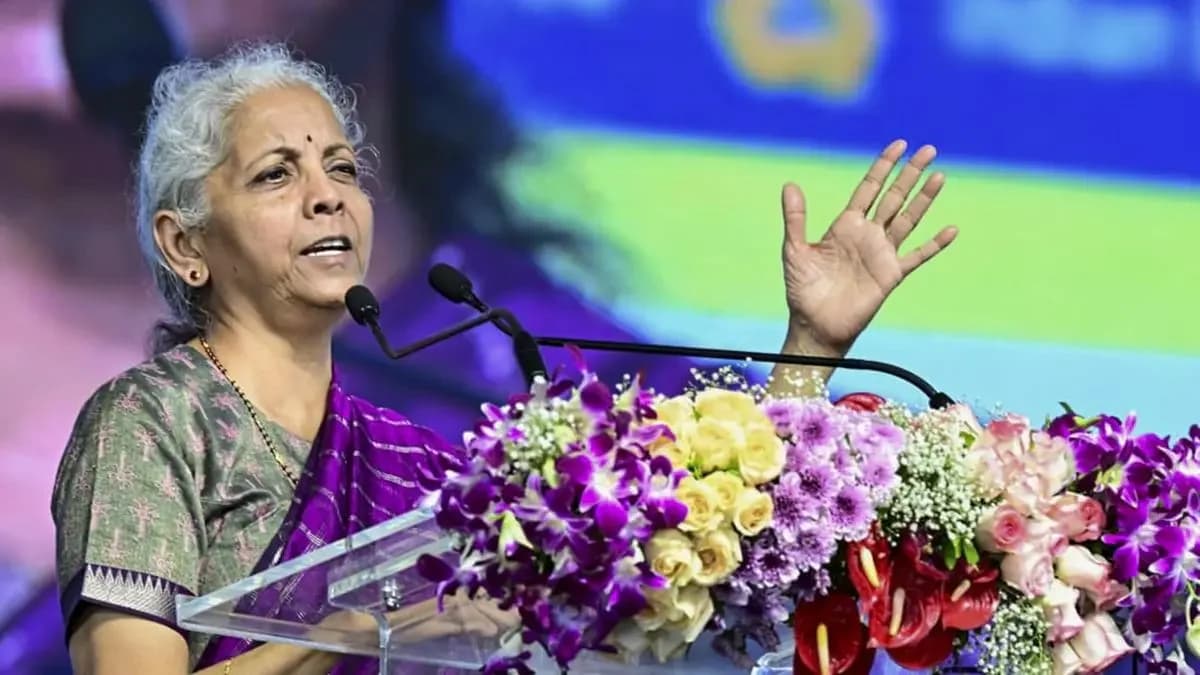
Chief Minister Naidu highlighted the performance of women's self-help groups, stating that Andhra Pradesh's 10 lakh DWCRA groups had accumulated savings of ₹29,000 crore and achieved a loan repayment rate of 99.5 per cent. According to the release, he emphasized that banks are not merely lending institutions but key partners in the State's development. The State government's objective is to ensure access to credit for every eligible farmer, student, self-help group member and entrepreneur. Sitharaman noted that the NDA government's goal is to encourage individuals by granting loans based simply on eligibility, with banks now providing low-interest loans without requiring collateral, benefitting both traders and women. 301 bicycles worth ₹17.80 lakh were distributed to girl students, while a regional rural bank donated two battery-operated vehicles worth ₹14 lakh to the Tourism Department and free tricycles were distributed to persons with disabilities.
Addressing the gathering, Naidu announced that similar credit outreach programmes would be conducted in six more districts and subsequently held once every three months. As reported by The Hindu BusinessLine, he said the Centre's support was helping Andhra Pradesh take forward projects related to Amaravati, Polavaram and the Visakhapatnam Steel Plant. The State would receive ₹7,707 crore from the Centre under the VB-G RAM G programme, while financial support of ₹40,000 crore was being extended to develop Rayalaseema as a horticulture hub. CM Chandrababu Naidu stated that the State government rescheduled high-interest loans incurred during the previous administration, resulting in savings of ₹1,538 crore. State Finance Minister Payyavula Keshav, MPs Lavu Sri Krishna Devarayalu and Bhashyam Ramakrishna, legislators, senior bank officials and beneficiaries attended the event, with the Chief Minister praising Union Finance Minister Nirmala Sitharaman for her role in strengthening India's banking sector through reforms, digital banking expansion, Jan Dhan Yojana, GST rationalisation and tax transparency.