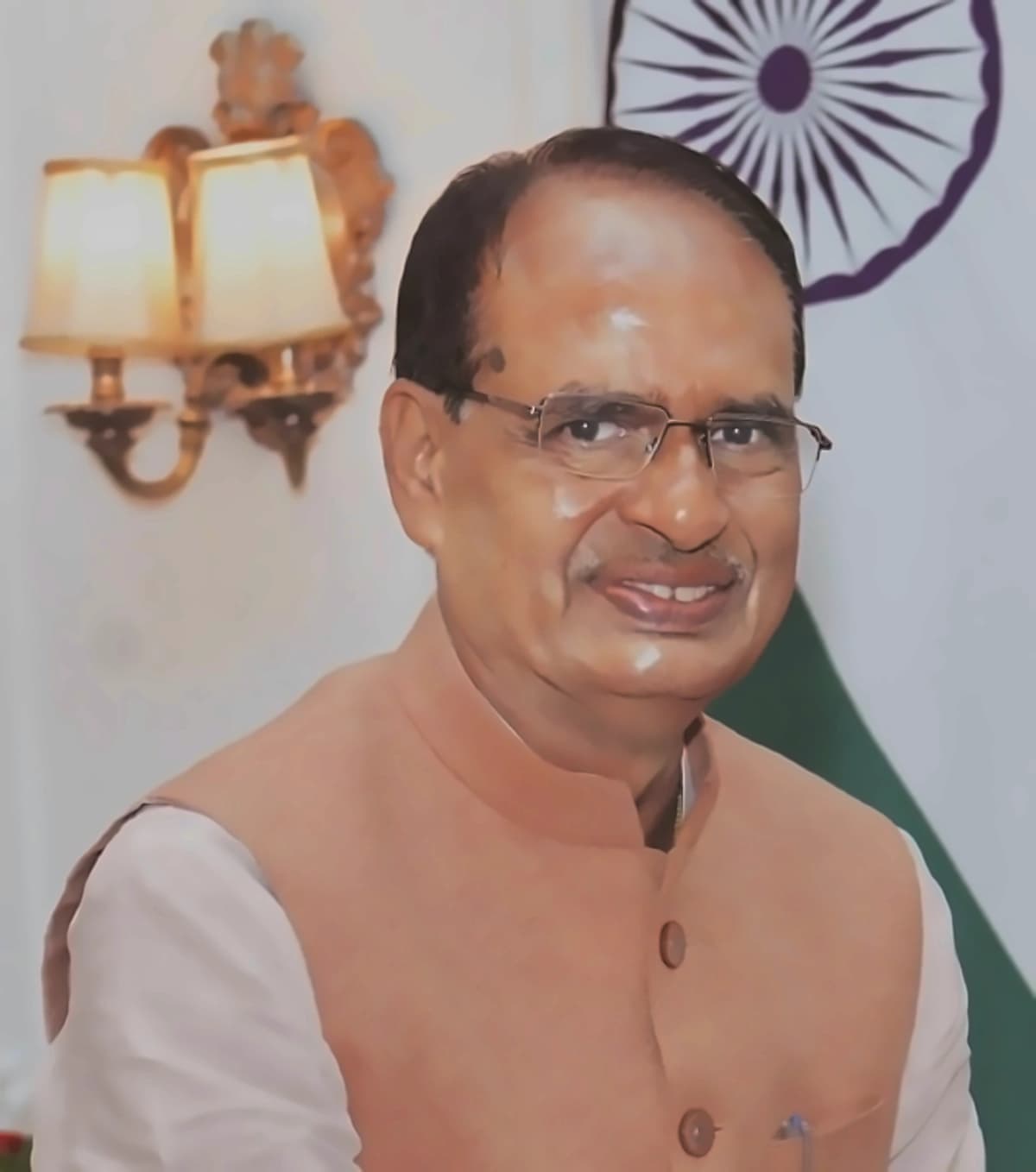
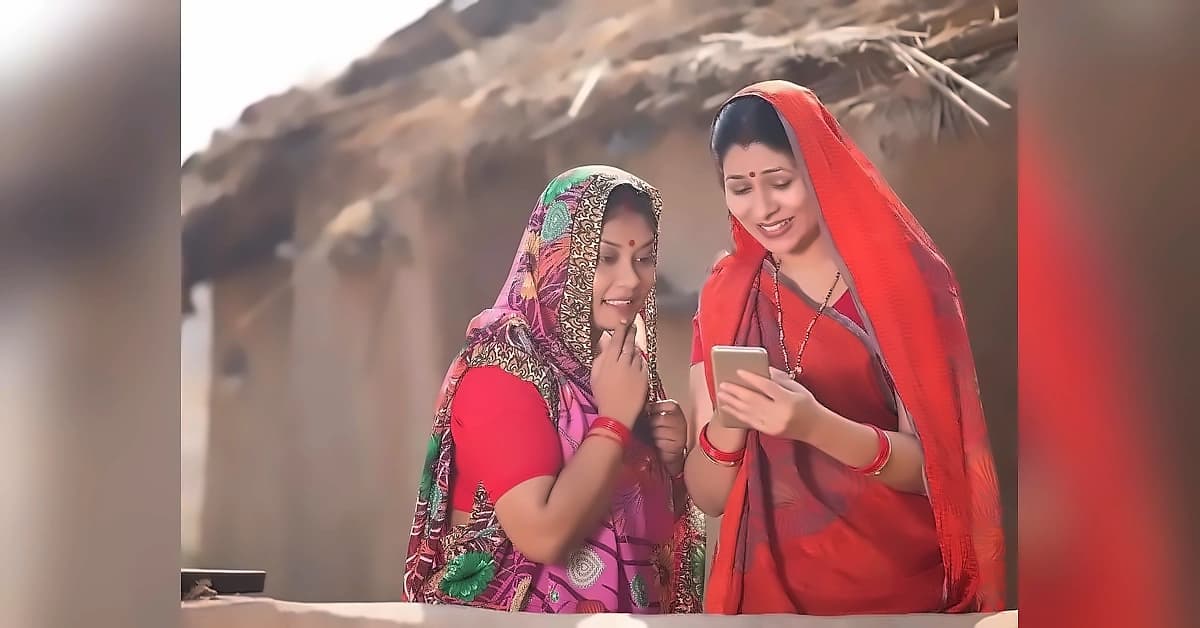
Union Minister Shivraj Singh Chouhan chaired a high-level meeting in Mumbai on September 3 to review Self-Help Group (SHG)-bank linkages and individual enterprise financing under the Deendayal Antyodaya Yojana-National Rural Livelihoods Mission (DAY-NRLM). The meeting focused on facilitating faster, adequate, and accessible credit for women entrepreneurs while addressing challenges faced by SHG members in obtaining bank loans. As per PIB Delhi, Chouhan has set ambitious credit targets for rural women entrepreneurs, directing banks to expedite loan approvals for Self-Help Group (SHG) members. The government aims to provide ₹10 lakh crore in loans to SHGs and ₹1 lakh crore to individual women entrepreneurs over the next five years. The meeting laid out a concrete roadmap for ensuring faster, adequate and accessible credit for women entrepreneurs, while also directing the setting up of a helpline to address difficulties faced by SHG members.
The existing SHG network has achieved significant scale, with more than 10 crore rural women mobilised into around 92-93 lakh SHGs under the Deendayal Antyodaya Yojana-National Rural Livelihoods Mission (DAY-NRLM). As reported by PIB Delhi, banks have extended cumulative credit of more than ₹13.67 lakh crore to these groups. However, Chouhan flagged delays in loan approvals, paperwork, and inadequate credit limits faced by rural women entrepreneurs, directing banks to strengthen coordination and train banking officials. The meeting examined ground-level challenges such as delays in loan approvals, excessive paperwork, low credit limits, and difficulties at bank branches. Approximately 3.5 crore Lakhpati Didi have been created so far against the target of six crore, with Chouhan noting that achieving the first target of three crore was relatively easier as many women were already earning ₹60,000, ₹70,000 or ₹80,000. Now expanding to six crore will require bringing women currently earning ₹30,000-50,000 annually into the Lakhpati Didi fold.
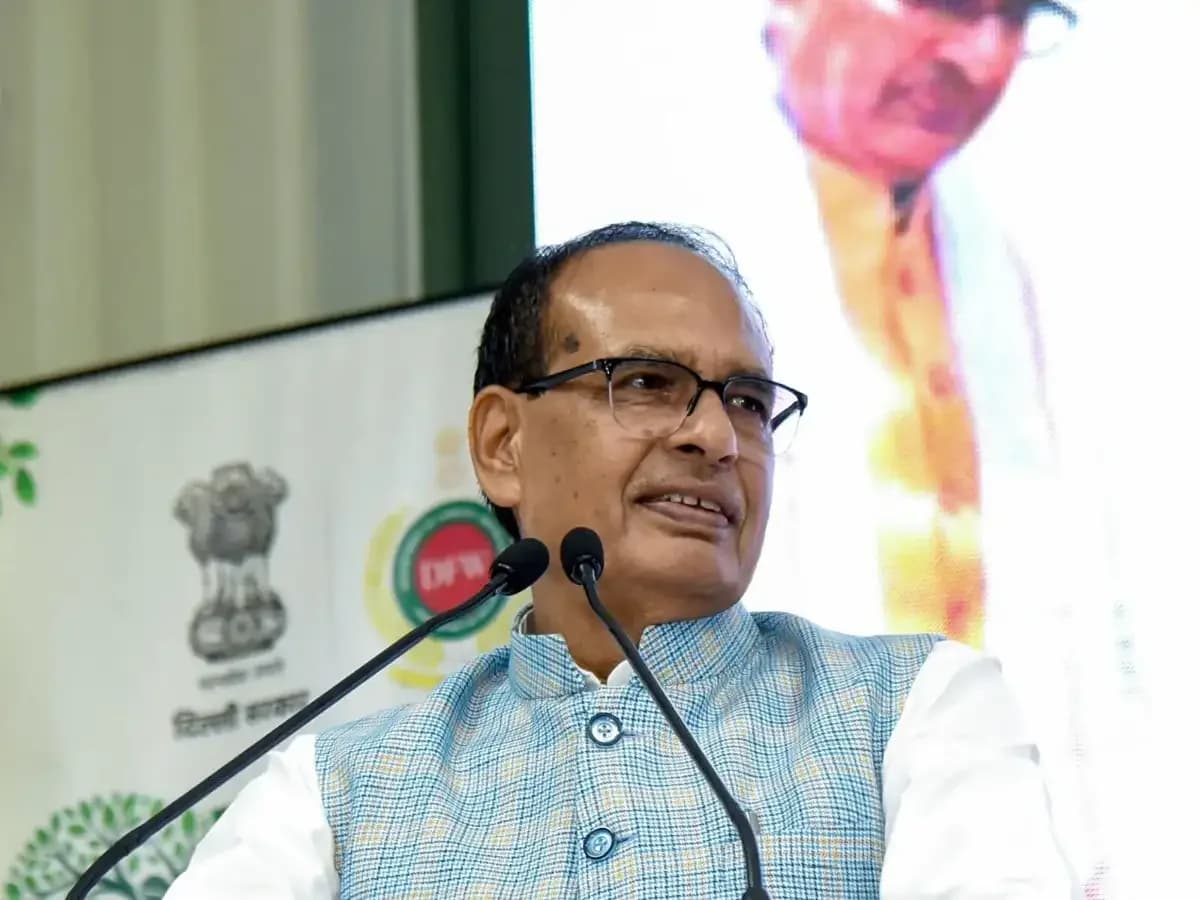
To ensure program implementation remains on track, stakeholders will hold virtual reviews every three months and physical meetings every six months. According to PIB Delhi, Chouhan instructed officials to establish a helpline dedicated to resolving credit access issues experienced by SHG members. The Union Minister mandated all stakeholders to implement commitments made during the meeting within defined timelines, emphasizing that continuity in meetings will ensure adherence to timelines. Chouhan assured that every possible step would be taken to ensure that SHG women do not face difficulties in accessing bank loans, with a helpline, process improvements and continuous coordination with bankers being used to identify and remove bottlenecks. The meeting is expected to serve as an important step towards strengthening women-led rural development, deepening financial inclusion and promoting inclusive economic growth across rural India.
Chouhan specifically called on private-sector banks to participate in State Rural Livelihoods Mission and District Level Consultative Committee meetings, expressing concern over private bankers' absenteeism from these forums. As reported by PIB Delhi, the meeting was attended by Union Minister of State for Rural Development and Communications Dr Chandra Sekhar Pemmasani, Minister of State for Rural Development Shri Kamlesh Paswan, Maharashtra Minister for Rural Development and Panchayati Raj Shri Jaykumar Gore and Minister of State Shri Yogesh Kadam. Chouhan highlighted that "the biggest problems faced by our sisters arise at the bank level" and urged increased training and sensitisation of bank officials. He called for regular SRLM meetings with active participation from banks, noting that "In particular, I have received complaints that private bankers are often absent from these meetings and from District Level Consultative Committee (DLCC) meetings. They too must make every effort to fulfil this commitment with seriousness." The meeting was also attended by representatives of the Reserve Bank of India, National Bank for Agriculture and Rural Development, NITI Aayog, the Department of Financial Services and other stakeholders.
Chouhan emphasised concentrating credit distribution efforts in regions experiencing higher poverty levels, stating "Many times, more money goes to places where prosperity already exists. Bank branches provide loans more quickly there. But where the need is greater, our focus should be there. 'Let us light the lamp where darkness still exists.' Those must certainly be our focus areas." He noted that expanding the target from three crore to six crore Lakhpati Didis will require bringing women currently earning ₹30,000-50,000 annually into the Lakhpati Didi fold. The discussions held at the meeting will feed into the future action plan under the Financial Inclusion 2.0 vision, with the initiative focusing on timely and adequate credit for SHGs, dedicated financing for women entrepreneurs and expanding access to high-quality financial services across rural India. Chouhan referenced Prime Minister Narendra Modi's vision communicated on the Red Fort, reiterating the target to increase the number of "Lakhpati Didis" (women earning over ₹1 lakh) from three crore to six crore.