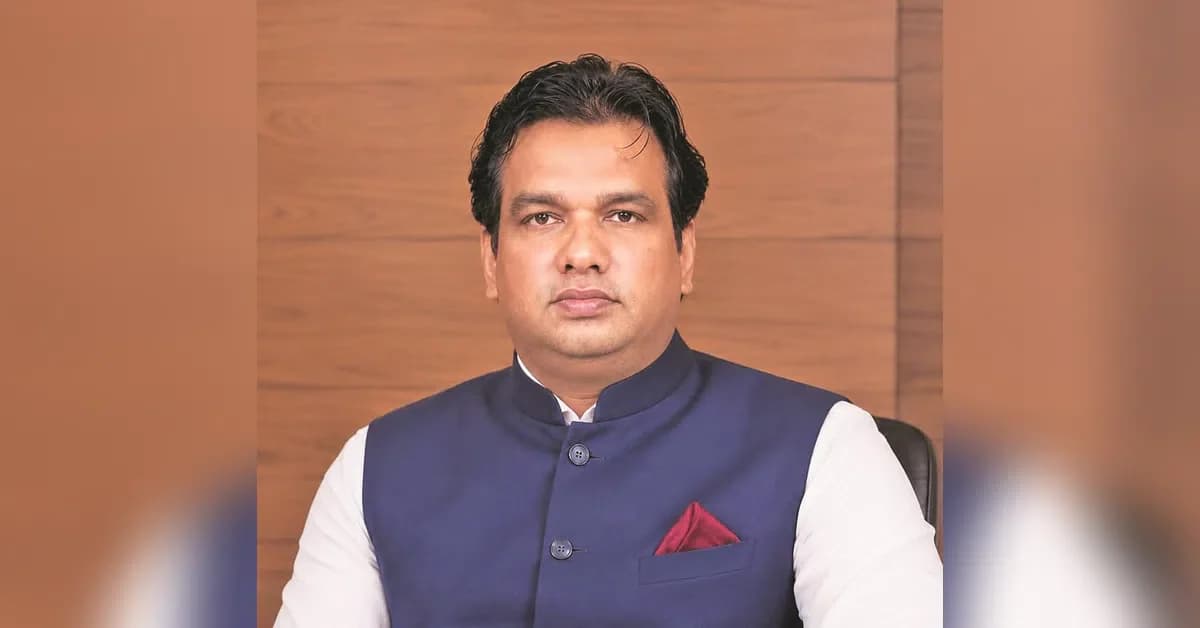
State Bank of India is strengthening its digital banking presence in Varanasi through comprehensive digital channels including the YONO app, Internet banking, mobile banking and end-to-end digital lending solutions. According to Deputy General Manager Kumar Anand, the bank provides seamless banking through branches, ATMs, business correspondents, customer service points and digital channels, ensuring well-diversified business across deposits, retail, agriculture, micro, small and medium enterprises. The bank continues to focus on current account savings account mobilisation, quality asset growth, prudent risk management and superior customer service. This digital expansion comes as Varanasi prepares for significant infrastructure improvements that will enhance the city's economic potential.
The Union Cabinet has approved two elevated corridor projects worth ₹25,445.96 crore to ease Varanasi traffic congestion under the Hybrid Annuity Model (HAM) by NHAI. The projects comprise a 46.04-km Ganga corridor and a 43.22-km Varuna corridor, designed to improve access to transport hubs, religious landmarks and logistics nodes while cutting travel time across the city. As per multiple reports, the Ganga corridor will connect NH-19 with the Varanasi Ring Road as a six-lane elevated route, incorporating major engineering structures including a cable-stayed bridge across the Ganga and an elevated pedestrian bridge with travelators. The Varuna corridor will link NH-31 with the city's ring road network, establishing high-speed connections to the airport, railway stations and inland water transport facilities.
SBI is actively supporting the tourism ecosystem across major destinations including Varanasi, Ayodhya, Prayagraj, Kushinagar, Sarnath, Chitrakoot and Vindhyachal. The bank provides credit support to hotels, guest houses, homestays, restaurants, tour operators, travel agencies, transport operators and other tourism-related enterprises under retail and MSME segments. Financial assistance is extended for new projects, capacity expansion, modernisation and working capital requirements of tourism-related businesses, with SBI supporting pilgrimage, cultural and heritage tourism by financing local enterprises, artisans, handicrafts and souvenir businesses. The upgraded infrastructure is expected to improve visitor movement and strengthen Varanasi's role as both a cultural destination and emerging economic centre.
SBI is one of the leading lenders to the MSME sector in Varanasi, supporting enterprises through working capital and term loan products. Credit offtake is driven by One District One Product industries such as Banarasi silk, Bhadohi carpets, Mirzapur carpets, black pottery and other district-specific enterprises. The bank extends credit to handloom, handicrafts, textiles, food processing, engineering units, transport operators, traders and service enterprises, providing timely finance through cash credit, overdraft, term loans, working capital, trade finance and supply chain finance. SBI supports first-generation entrepreneurs, women entrepreneurs and startups to promote employment and regional economic growth, with the improved infrastructure expected to create additional opportunities for MSME development.
SBI is continuously expanding its presence through digital transformation, customer-centric banking and financial inclusion initiatives. The bank is expanding its reach through new branches, business correspondents, customer service points, ATMs and digital banking channels, particularly in underserved and high-growth areas. SBI is introducing digital savings accounts, pre-approved personal loans, digital MSME loans, digital agri-loans and simplified loan journeys for improved customer experience. The bank is leveraging data analytics, artificial intelligence, automation and digital onboarding to improve operational efficiency, credit delivery and risk management while continuing to invest in cybersecurity and digital infrastructure. The approved infrastructure projects are expected to create long-term benefits for trade, tourism and regional development by making transport networks more efficient and resilient.