The Reserve Bank of India has cancelled the banking licence of Paytm Payments Bank Ltd (PPBL) with effect from close of business on April 24, 2026. According to reports from The Economic Times, this action follows over two years of regulatory scrutiny and restrictions, including a ban on fresh deposits in 2024. The central bank stated that the bank's operations were 'detrimental' to depositors and public interest, citing compliance lapses including issues around customer due diligence and governance. The RBI stated that the bank failed to comply with the conditions set under the Banking Regulation Act, 1949, with the regulator noting that the bank's operations were conducted in a manner detrimental to depositors. The central bank has also indicated that it will move towards formally winding up the bank through legal channels, with the RBI now making an application before the High Court for winding up the bank as reported in its Friday notification.
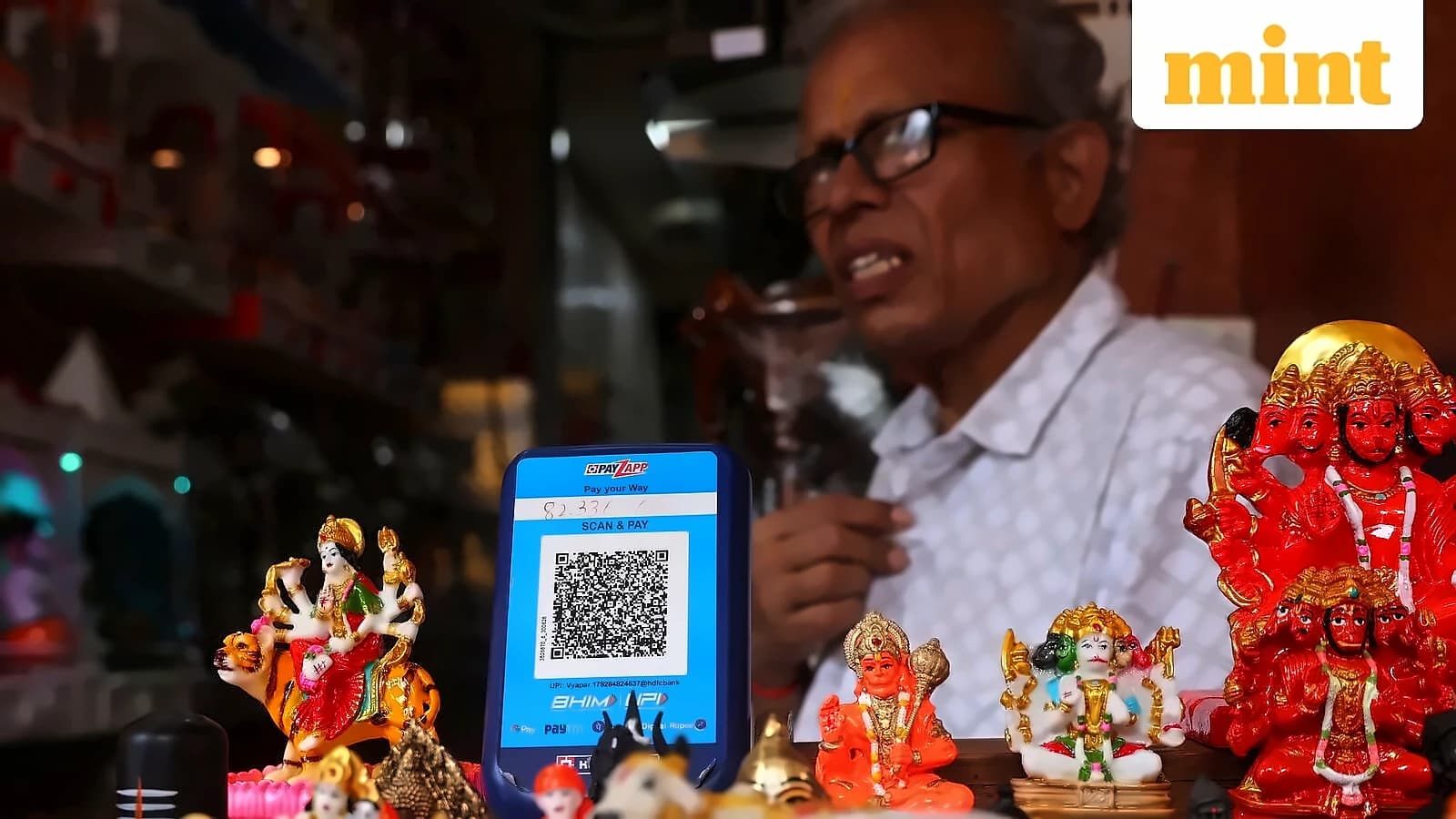
Despite the banking licence cancellation, Paytm's core services remain unaffected and continue to operate normally. As reported by The Economic Times, Paytm stated in a regulatory filing that it has no material business arrangements or exposure to PPBL and that the bank operates as a separate entity with no overlap in board or management. UPI services on Paytm will continue to function without disruption as these transactions are now routed through partner banks rather than Paytm Payments Bank itself. The National Payments Corporation of India had earlier approved Paytm to operate as a third-party app provider, with its UPI handle already migrated to a multi-bank system led by Yes Bank. Users can continue to use UPI payments, QR code scans at shops, merchant payments, and services like Paytm Money or the payment gateway without interruption. The formal cancellation of the small bank licence will have little consequence on the operations of parent One 97 Communications Ltd, as reported by Bloomberg.
The licence cancellation means PPBL can no longer operate as a deposit-taking bank, affecting customers with money in Paytm Payments Bank wallets, savings or current accounts. According to The Economic Times, users may need to withdraw or transfer funds depending on RBI directions as the bank winds down its operations. However, the RBI has clarified that the bank has sufficient liquidity to repay all deposits, ensuring that user funds remain secure. There is no sudden freeze on funds, which means customers can access their money normally during the wind-down process. Users can continue to access and withdraw their existing balances without restrictions, though they will not be able to add new money to their Paytm Payments Bank accounts or wallets linked directly to the bank. The RBI confirmed that Paytm Payments Bank has 'enough liquidity' to repay its entire deposit liability upon winding up of the bank, as reported by Bloomberg.
Paytm said there is no financial impact from the move, having already written off its investment in PPBL in 2024. As reported by The Economic Times, the company reiterated that none of its services are linked to the payments bank. The action follows repeated compliance concerns flagged by the RBI since 2024, with the regulator stating that continuing the bank's operations would not serve public interest. The parent company, One97 Communications, has clarified that the license cancellation will not impact its broader business operations, with services such as Paytm UPI, QR payments, Soundbox, payment gateway, and card machines continuing to function normally. Other offerings like Paytm Money and Paytm Gold remain unaffected as they operate independently of the payments bank. The move forced Paytm founder Vijay Shekhar Sharma to forge partnerships with other lenders for his wider fintech empire that comprises digital payments, merchant loans, and payment machines, as reported by Bloomberg.