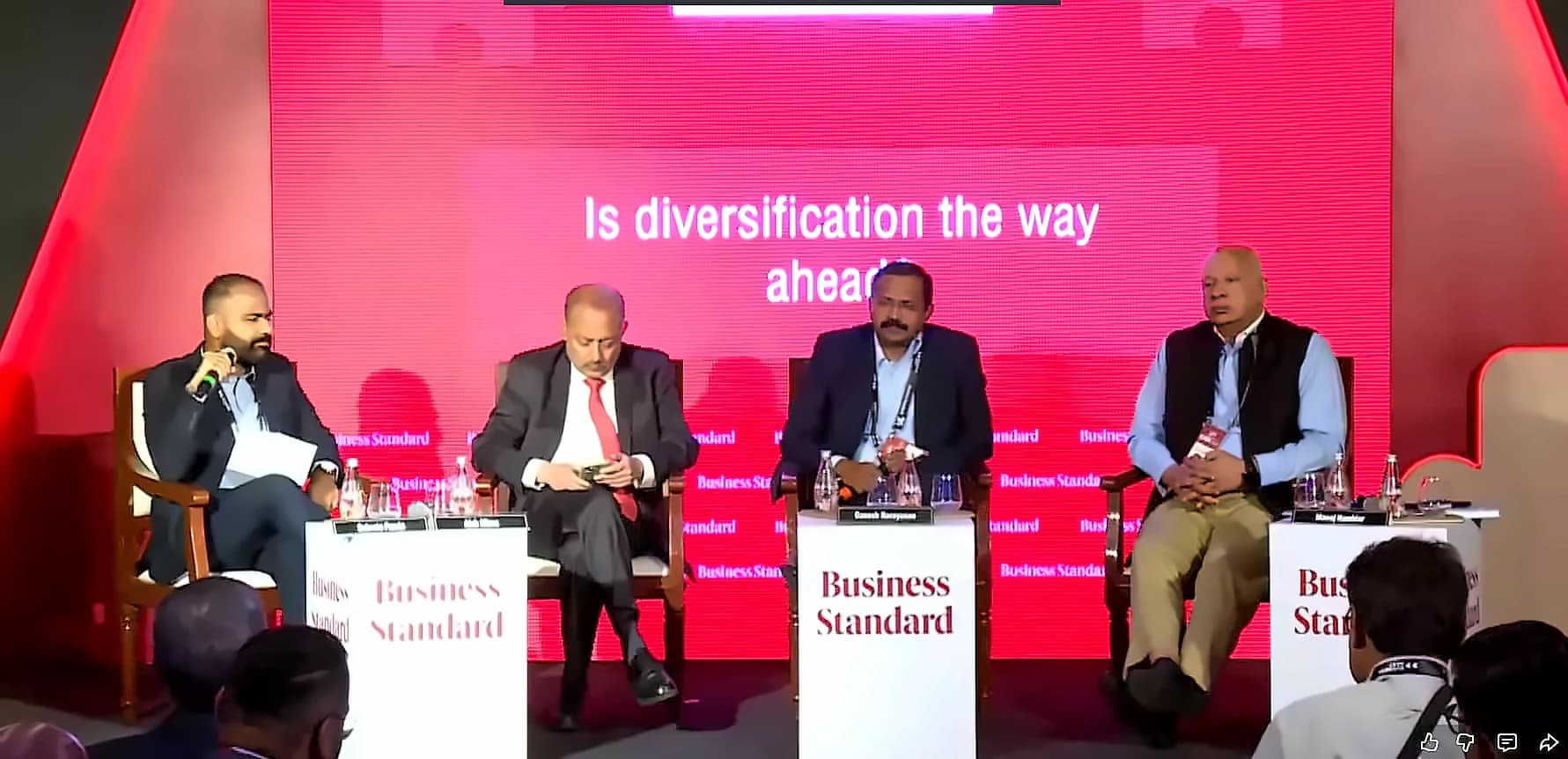
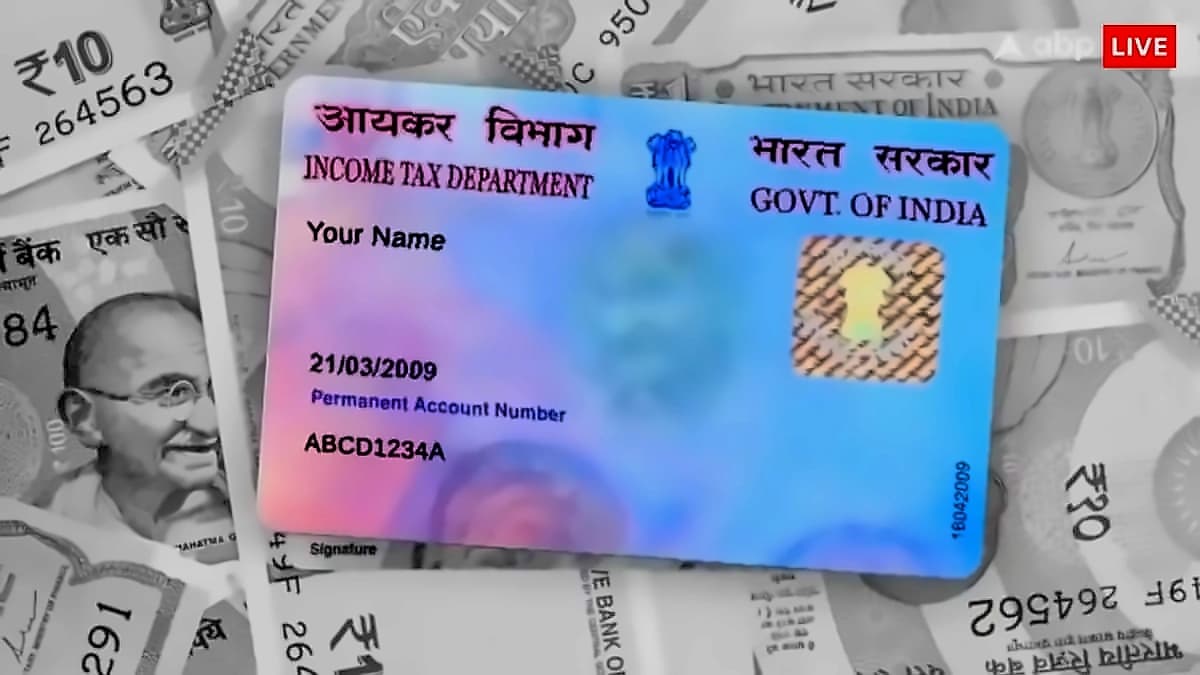
Microfinance Institutions Network (MFIN) will release guidelines within 10-15 days to encourage lenders to adopt Permanent Account Number (PAN) and Central Know Your Customer (CKYC) records for borrower identification. According to Alok Misra, CEO of MFIN, the industry has set an aspirational target of completing this transition within one-and-a-half years. As reported by Business Standard at the BFSI Summit 2026, this initiative aims to strengthen credit underwriting by helping lenders identify borrowers' exposure across microfinance and retail loans. The move comes after a period of sector stress during which rapid lending growth exposed underwriting weaknesses.
The transition to PAN and CKYC records will make underwriting more robust by enabling lenders to find retail linkages that are currently not visible in the microfinance sector. Misra explained that in retail lending, 100% of loans are seeded with PAN, which will help identify borrowers' total indebtedness across different loan categories. According to the report, some borrowers currently have multiple voter IDs, making it difficult for lenders to establish their identities and assess their total indebtedness. The proposed changes follow a period when rapid lending growth exposed weaknesses in underwriting and collections, with institutions expanding market share without adequate credit-underwriting preparedness.
The current system faces technical limitations that hinder effective borrower identification. As reported by Business Standard, the Election Commission of India's website lacks an application programming interface (API) through which lenders can link records directly. In contrast, CKYC and the National Securities Depository Ltd have APIs that facilitate direct record linking. This technical gap creates additional challenges for lenders seeking comprehensive borrower information, with the Election Commission's website lacking the necessary infrastructure for direct record linking.
The microfinance sector has shown signs of recovery following implementation of stricter underwriting standards. According to Manoj Nambiar, MD of Arohan Financial Services, the industry's outstanding credit expanded from around ₹2.5 trillion in March 2020 to ₹4.5 trillion within two years following the pandemic. As reported by Business Standard, Ganesh Narayanan of CreditAccess Grameen noted that the company has experienced two very strong quarters and seen improvement in collections from September last year. Narayanan added that the recovery was visible in business performance, with lenders filling gaps left by banks that had pulled back from the segment, stating they've seen the bottom of the crisis that happened in the last two financial years.
MFIN has implemented minimum underwriting standards to address sector challenges, including a maximum of three lenders per borrower, total indebtedness of no more than ₹2 lakh across microfinance institutions, and restrictions on lending to borrowers who were 60 days or more delinquent. According to Nambiar, these standards have resulted in improvement in collections from September last year. The RBI's 60:40 framework has also created opportunities for microfinance institutions to develop secured-lending businesses, including loans against property, vehicle loans and gold loans, reducing dependence on unsecured lending. External risks remain, with Narayanan noting some stress emerging in pockets of central Maharashtra, though the industry has not seen impact elsewhere including Karnataka.