Karur Vysya Bank has officially launched its premium credit card portfolio on the Visa platform, marking a significant milestone in its diversification strategy. The portfolio includes four card variants: Aura (Visa Platinum), Samara (Visa Signature), Altura (Visa Infinite) and Eternis (Visa Infinite). As reported by Business Standard, these cards are designed to offer curated travel, dining and premium lifestyle benefits to emerging affluent and affluent customers, including salaried professionals, self-employed individuals and business owners. The partnership with Visa reflects KVB's focus on offering a more contemporary and premium customer experience supported by globally accepted payment infrastructure, curated lifestyle privileges and enhanced customer engagement capabilities.
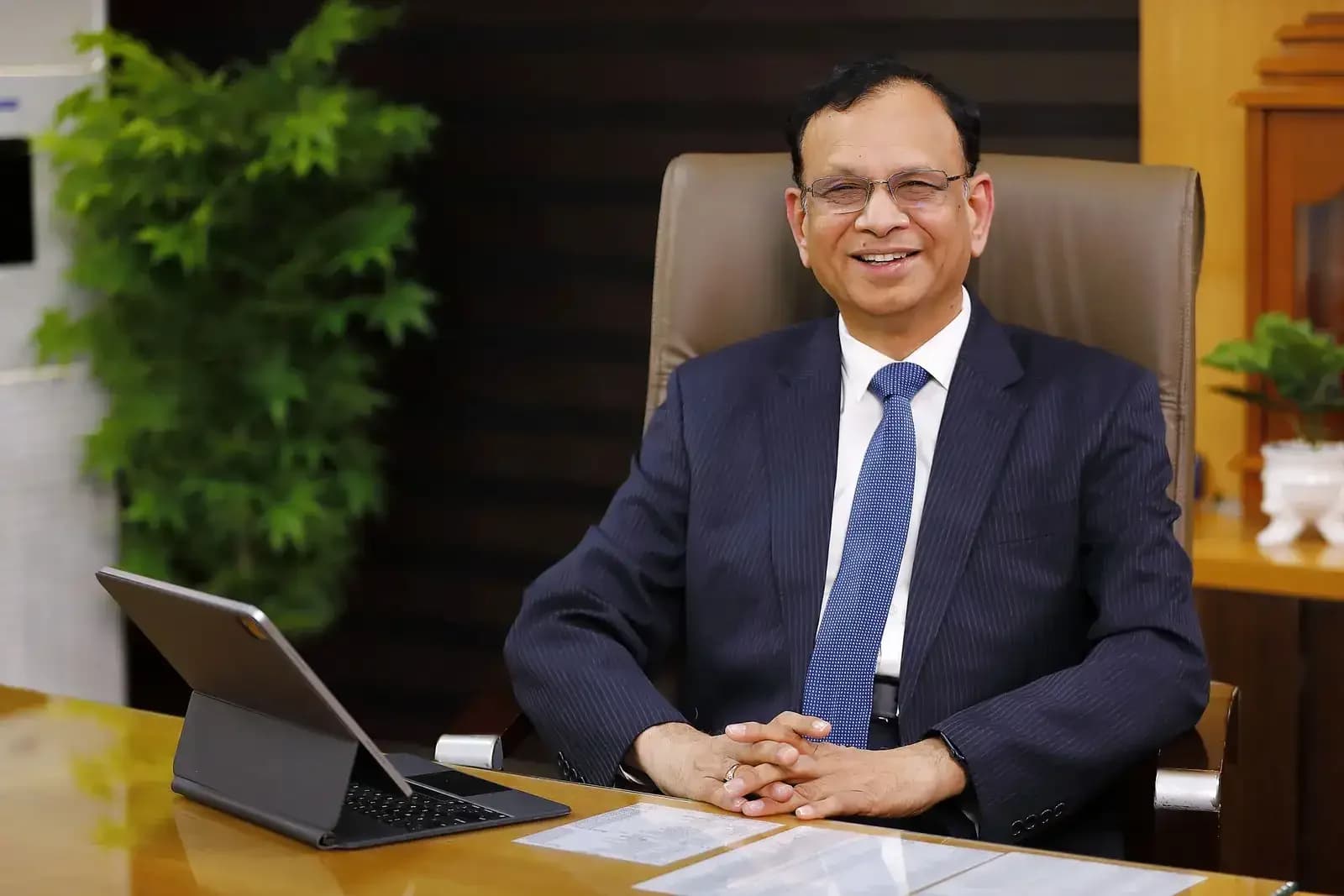
Karur Vysya Bank is implementing a comprehensive diversification strategy to accelerate growth after a decade of wholesale business downsizing. According to reports from The Economic Times, the bank plans to reverse its corporate loan share from 14% to 20% within two years, up from 40% in 2019. Managing director B Ramesh Babu outlined four key areas for expansion: microfinance, loans against mutual funds, credit cards, and affordable housing loans between ₹20 lakh and ₹50 lakh. The bank currently maintains a loan asset portfolio of ₹99,000 crore with a market capitalisation of around ₹28,000 crore.
The bank has significantly expanded its microfinance operations, growing from zero exposure to ₹180 crore outstanding portfolio through partnerships with three entities over the past 18 months. As reported by The Economic Times, the bank plans to scale this to ₹500-700 crore by directly lending to bottom-of-pyramid customers through business correspondents. The bank previously had a ₹10,000 crore microfinance portfolio in Tamil Nadu but had no presence in this segment until recently. The strategy involves lending directly to customers rather than through MFIs, with the bank engaging three partners for co-lending purposes. According to managing director B Ramesh Babu, the bank has learned valuable lessons from its initial microfinance journey and is now positioned to ramp up operations significantly.
The bank is targeting commercial real estate and lease rental discounting opportunities in the corporate sector. As reported by The Economic Times, Karur Vysya Bank completed ₹900 crore in credit substitution last year by subscribing to non-convertible debentures and commercial papers instead of providing working capital loans. This strategy eliminates asset-liability management requirements and provides rate stability for the bank. The bank is also exploring affordable housing opportunities in the ₹20-50 lakh segment through partnerships with three agencies and two co-lending partners. According to managing director B Ramesh Babu, the bank is finding opportunities in commercial real estate, data centres, and warehouses where lease rental discounting presents significant opportunities.
For FY27, the bank expects to maintain its 16-18% growth rate, one to two percentage points above industry average. According to The Economic Times, the bank targets net interest margin of 3.75-3.8% compared to 4.25% in Q4, citing expected deposit cost increases and margin pressure from exiting lower-yielding sectors. The bank aims for return on assets of 1.7-1.8% and maintains a liquidity coverage ratio of 115-120% while raising deposits to support growth requirements. The bank's diversification strategy focuses on improving yields and reducing concentration risk in its core lending portfolio, with managing director B Ramesh Babu emphasizing that these four key areas can push the bank to the next level through diversification and improved yields.