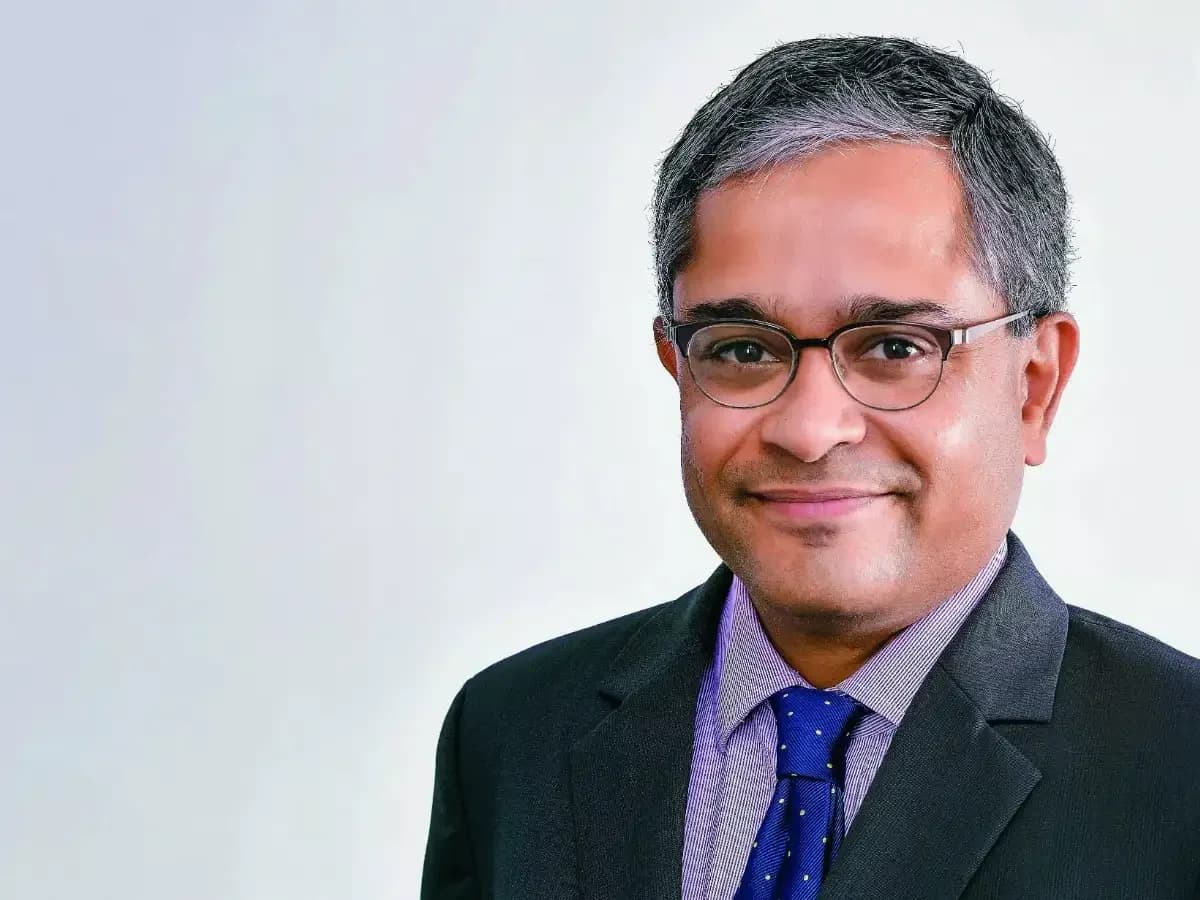
IndusInd Bank reported a net profit of ₹594 crore for Q4FY26, marking a significant turnaround from a loss of ₹2,329 crore in the same quarter last year. According to reports from Mint, managing director and chief executive Rajiv Anand stated that the bank expects to return to industry-aligned growth in FY27 after a year of repair work. Anand emphasized that the derivatives issue is behind them and has been fully accounted for, with the bank transitioning to a growth mindset for 2026-27. The bank's leadership team has been strengthened with key appointments including heads of retail banking, global markets, Chief Risk Officer, and Chief Information Officer, with the transition now largely completed.
The recovery was driven by a sharp reduction in provisioning and improving asset quality, as reported by Mint. For the quarter ended March, the bank's loan book fell 8% year on year to ₹3.15 trillion, while deposits declined 3% to ₹3.99 trillion. The bank's microfinance portfolio showed signs of stabilization, with collections having stabilized and overdue buckets declining sharply. Fresh slippages are lower, enabling the bank to begin scaling disbursements gradually. Net slippages were down 37% quarter-on-quarter, resulting in lower provisioning during the quarter. The overall stress book continues to moderate with GNPA/NNPA at 3.43%/1% and provision coverage ratio maintained around 71%.
Retail deposit mobilization saw healthy traction with net addition of ₹6,800 crore during the quarter, with all incremental deposits being retail in nature. The share of average retail deposits improved to 47.9% from 47.5% quarter-on-quarter, as reported by Quartr. The bank's CASA performance remained stable with CASA ratio at 30.2% in Q3 and 29.8% in Q4. Management noted that deposit growth will be a constraint to credit growth, given various constraints around LCR, LDR, and other regulatory requirements. The bank expects to see slightly lower levels of credit growth in the current year, especially given the macroeconomic environment.
Looking ahead, Anand said the bank is not currently seeing material impact on its loan portfolio, but added that prolonged disruption could affect specific industries, particularly those dependent on physical oil and gas supplies such as ceramics and fertilizers. According to Mint, large corporates are likely to remain resilient due to strong balance sheets and low leverage, while mid-sized corporations and small and medium enterprises are more exposed to external shocks. The bank expects the coming year to be one of calibrated growth rather than contraction in the microfinance segment. Management guided for loan growth in line with market (13-14%) for FY27, with a continued focus on retail deposit mobilization and gradual improvement in ROA toward 1%.
The recovery follows a difficult period marked by accounting discrepancies in the derivatives portfolio and stress in the microfinance book, which eroded investor confidence and triggered leadership changes. According to Mint, former managing director Sumant Kathpalia and deputy chief executive Arun Khurana exited as the bank undertook governance and risk-control corrections. Anand, appointed managing director and chief executive in August 2025, emphasized the bank's focus on calibrated expansion, consciously prioritizing prudence over pace. The bank has strengthened its leadership team with key appointments including heads of retail banking, global markets, Chief Risk Officer, and Chief Information Officer, with the transition now largely completed.