HDFC Bank CEO Sashidhar Jagdishan has officially announced his decision not to seek reappointment when his current term ends on October 26, marking a dramatic end to his six-year tenure. According to Bloomberg News, the surprise decision was announced at a hastily convened board meeting on Saturday, where directors tried to change his mind but Jagdishan held firm. The CEO, a veteran of three decades at the bank, resisted several proposed changes by new Chairman Rajiv Kumar, including accelerating loan growth, getting more aggressive on technology, and replacing some senior executives. Kumar, a former finance secretary and veteran civil servant, was appointed in June to steady the ship after the previous chairman's acrimonious resignation, and favors an outsider for the job, citing reservations about the bank's internal contenders as not aggressive enough to deliver the faster growth and sharper execution he wants. As reported by Bloomberg News, the speed of his departure caught HDFC Bank off guard, with its nomination and remuneration committee not even engaging an executive search firm to find a successor. Jagdishan told people close to him that he was willing to continue as CEO, but only if the institution and the regulator were behind him, and wouldn't campaign for an extension or lobby directors.
Moody's Ratings has identified significant leadership transition risk following HDFC Bank CEO Sashidhar Jagdishan's decision not to seek reappointment when his current term ends on October 26. According to The Economic Times, Moody's AVP Devang Rajkotia emphasized that an orderly succession process and continuity in strategy execution will be key to sustaining stakeholder confidence and limiting any negative credit implications. The rating agency noted that while leadership changes at systemically important banks can create uncertainty around strategy execution and risk management, HDFC Bank's strong franchise, deep senior management bench and one of the strongest financial profiles among Moody's-rated banks in India mitigate these risks. However, since the succession was not previously anticipated, the CEO exit introduces a degree of leadership transition risk that requires careful management.
The leadership transition comes amid several governance challenges that have raised investor concerns. In July, HDFC Bank's board penalized Jagdishan and two other senior executives after finding that employees involved in setting deposit rates had engaged in "business overreach", even though it said their actions were not mala fide. As reported by Bloomberg News, it was alleged that the bank paid interest, over and above the card rate, for getting high-value deposits from the state-run body and routed the higher interest amount as marketing spends. The bank has also faced allegations of mis-selling Credit Suisse's AT-1 bonds to diaspora clients from its Dubai DIFC branch, which led the local regulator to prohibit the bank from onboarding new customers or conducting new business last year. Former Chair Atanu Chakraborty stepped down earlier this year, citing bank practices that didn't align with his "personal values and ethics", while some deputy governors at the RBI held differing views about Jagdishan's continuation, with some supportive and others having reservations. There were also internal leaks of confidential information that Jagdishan believed were intended to undermine his chances of securing another term. HDFC Bank has denied wrongdoing in relation to some allegations, including corporate governance concerns, while the Reserve Bank of India has publicly defended the lender.
HDFC Bank shares have fallen 28% this year, compared with a 3% decline in the Nifty Bank Index, marking their worst relative performance since 2003. As reported by Bloomberg News, more than $60 billion in market value has been erased from its peak last year, and the shares now trade at their lowest since February 2024. The stock performance reflects investor concerns about the upcoming leadership transitions and their potential impact on business operations. Jefferies Financial Group Inc. cut its 12-month price target by 16%, warning that further departures from top management could hurt deposit growth and revenue momentum. Analysts are divided over what comes next, with some warning that uncertainty can lift the cost of equity, leading to lower valuation. Rikin Shah from IIFL Capital Ltd. noted that Jagdishan's departure removes the risk that the RBI might have granted him a truncated extension, prolonging uncertainty. The bank plans to bring in recruiter Egon Zehnder as soon as this week to begin the succession search, with Deputy Managing Director Kaizad Bharucha being discussed as the most obvious internal candidate.
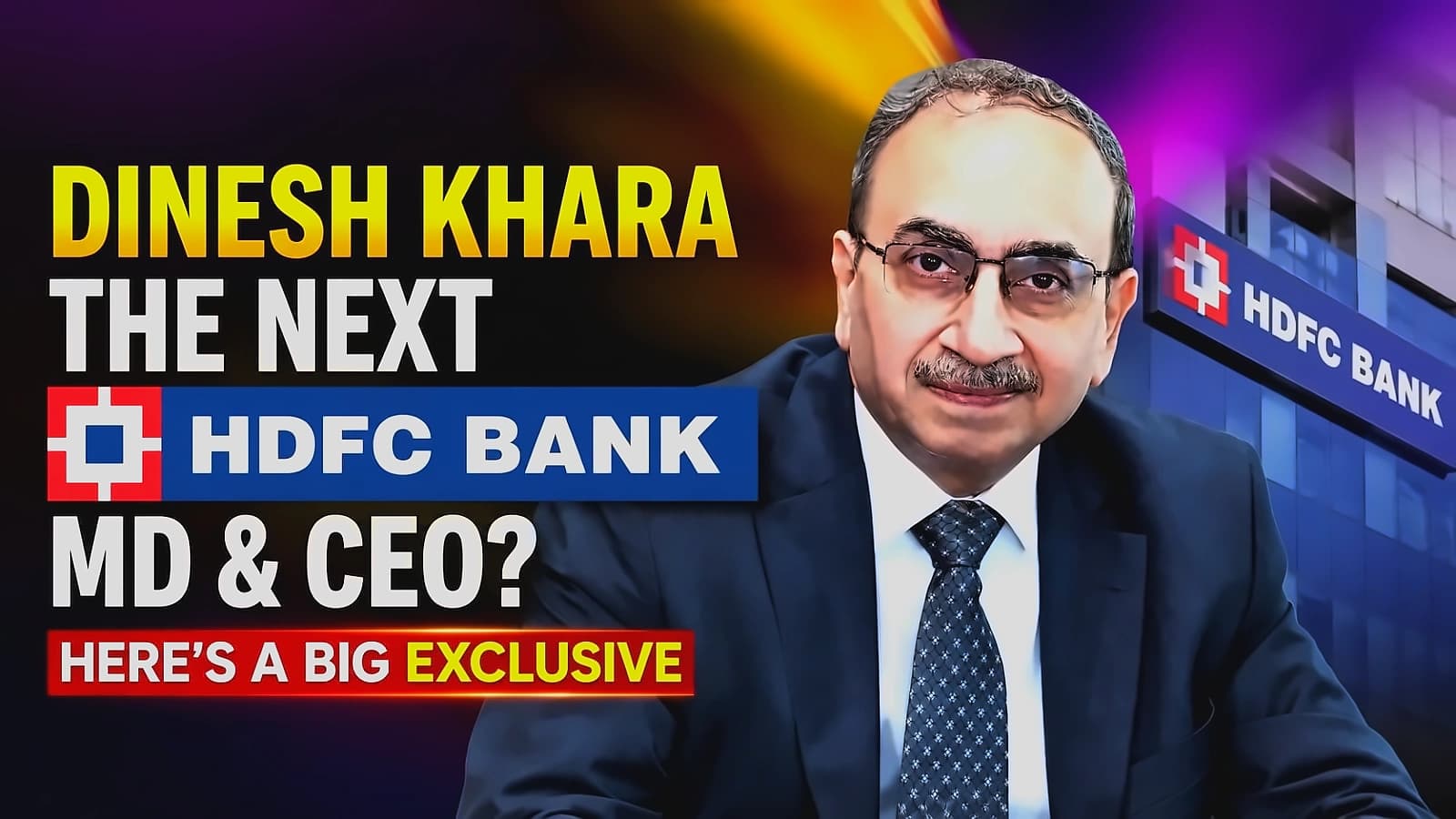
For HDFC Bank, Kaizad Bharucha, the current Deputy Managing Director, is seen as the key internal contender, while Jimmy Tata, the bank's chief credit officer, is another possible internal candidate. As reported by Motilal Oswal, Tata has been associated with the bank for more than 30 years. The bank faces a tight timetable as any successor requires RBI approval, and a leader capable of running a lender with a market value of about $115 billion may take time to identify and vet. Analysts suggest a current bank executive could get a relatively short stint as CEO, potentially about a year, while the lender searches for a longer-term leader. Rikin Shah from IIFL Capital Ltd. said a credible external candidate could provide a leadership reset and a longer runway to steer the bank. The new chairman Kumar could end up reshaping HDFC Bank's board and executive ranks, potentially restoring its governance credentials and putting his strategy into effect. The search begins without a prepared candidate, increasing short-term uncertainty for investors, with an outsider potentially bringing change while an internal leader may offer continuity.