HDFC Bank has fast-tracked its CEO succession search after incumbent Sashidhar Jagdishan decided not to seek an extension, with the bank planning to hire an executive search firm as early as this week to begin looking for his successor. The lender is India's most valuable lender with a market capitalization of $115 billion and commands nearly 12% of the total deposit base as on June 30, making the search particularly critical for maintaining stability. Hiring a new head quickly is crucial as the bank seeks to move past growing uncertainty since its part-time chairman had an acrimonious exit in March, with the new CEO needing to assure investors that the bank's governance systems are robust while boosting business performance at a time when shares have lagged peers.
Kaizad Bharucha's extensive institutional experience could offer continuity at a time when the bank is navigating a leadership transition, but his tenure presents a significant regulatory challenge. Bharucha, 61, is the deputy managing director and a three-decade veteran at the lender, in charge of retail and wholesale banking, and is viewed as a front-runner among brokerage houses to take over as CEO given his experience. However, there is a regulatory niggle that might come into play as Bharucha has served as a whole-time director since 2014, and central bank regulations cap the continuous tenure of a CEO or whole-time director at 15 years, creating a potential constraint for his candidature. Between Bharucha and Rangan, IIFL Capital's Senior VP Rikin Shah said the former could be relatively better placed given he has more experience in running various businesses at the bank. V. Srinivasa Rangan, 66, is the executive director and heads functions like human resources, investment banking, legal, information security, ethics, fraud and vigilance, but his appointment would hit the RBI's 70-year age-limiting factor around 2030, making him eligible for only a single term.
Jimmy Tata, the chief credit officer of HDFC Bank, has emerged as a potential internal candidate for the CEO position, according to reports from NDTV Profit. Tata, a veteran of more than three decades at the lender with experience across corporate banking, risk and credit, brings deep understanding of the bank's operations. However, Macquarie Group analysts noted that while Tata's institutional knowledge and execution credentials could provide valuable continuity, a short tenure would risk deferring rather than resolving the succession question. The race for the CEO job would pit several veterans within the lender against outsiders who could get a chance to lead India's largest private sector bank, with internal candidates offering smoother continuity while external appointments would throw up cultural and integration challenges, as noted by ICICI Direct analyst Vishal Narnolia.
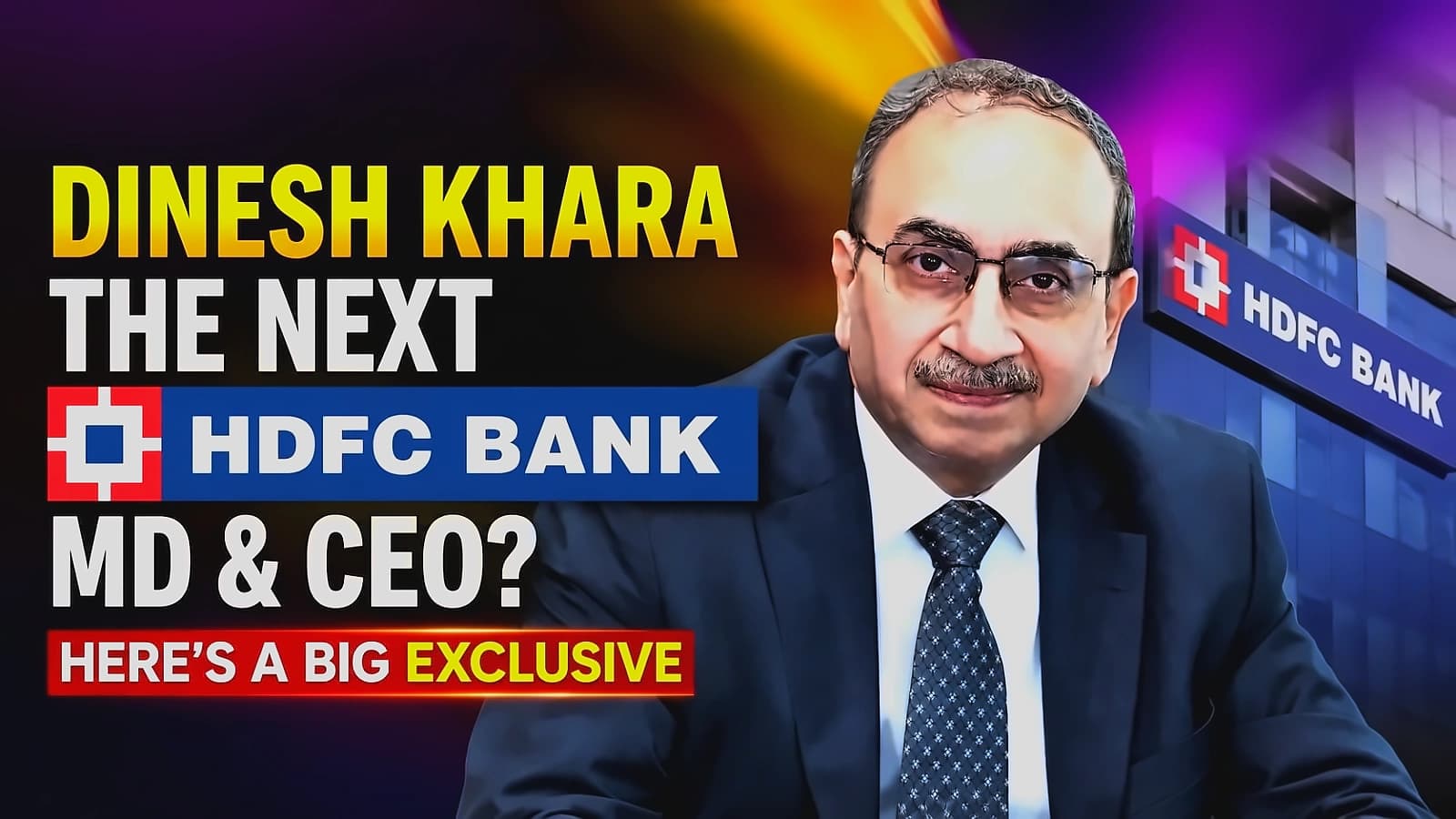
Dinesh Kumar Khara, former Chairman of State Bank of India, has emerged as a frontrunner for HDFC Bank's next MD & CEO position following CEO Sashidhar Jagdishan's decision not to seek reappointment. The 65-year-old veteran banker served as SBI Chairman from October 2020 to August 2024, where he was instrumental in orchestrating the merger of SBI with five associate banks and launching the digital banking platform YONO, which expanded to over 27 million registered users. Khara's strength in managing a huge balance sheet and a complex financial institution would make him a high-profile external hire, with his experience in managing a large balance sheet and complex financial institution being particularly valuable. However, Jefferies has cautioned that appointing a former head of a state-owned bank could complicate the transition, noting that investors may be fine with such an appointment but the CEO shouldn't be a past leader from a state-run lender as it can complicate the transition process.
Bernstein analysts view Jagdishan's decision as a good development for two key reasons, removing significant regulatory and governance concerns. First, it removes the more negative scenario of the RBI limiting the next term to just one or two years, which would have amplified governance-related concerns at the bank. Second, it provides a convenient, natural opportunity for the incoming chief executive to reset the bank's narrative, which has struggled to set and deliver clear investor expectations. Rikin Shah at IIFL Capital noted that Jagdishan's decision removes the tail risk of him getting a truncated tenure by the RBI, which would have prolonged uncertainty and continued to weigh on the stock price. Devang Rajkotia at Moody's Ratings said an orderly succession process and continuity in strategy execution will be key to sustaining stakeholder confidence, noting that HDFC Bank's strong franchise, deep senior management bench and one of the strongest financial profiles among Moody's-rated banks in India mitigate transition risks. Other analysts see the HDFC Bank event as one that gives room for an external appointee to make positive changes at the bank, providing a clean leadership reset and longer runway to steer the institution.
HDFC Bank shares were trading at ₹709 on the BSE, 1.5% below the previous close, reflecting ongoing market uncertainty despite the board's accelerated search process. The stock has declined more than 31% over the last year, with HDFC Bank shares closing 3% higher at ₹720.30 on August 28 as investors digested news that CEO Sashidhar Jagdishan will not seek reappointment. The shares, which were about 40% foreign-owned as at June-end, are down about 27% so far this year and if the decline holds through the year, it would mark HDFC Bank's first calendar year of negative returns in more than a decade. HDFC Bank reported a 4.98% increase in standalone net profit to ₹19,059.72 crore in Q1 FY27 as against ₹18,155.21 crore posted in Q1 FY26, demonstrating strong operational performance despite leadership transition concerns. Total income declined 7.08% year on year to ₹92,184.38 crore during the period under review. Until the board provides greater clarity on its preferred candidate and transition framework, leadership uncertainty is likely to keep the stock range-bound, according to Macquarie Capital analysis.