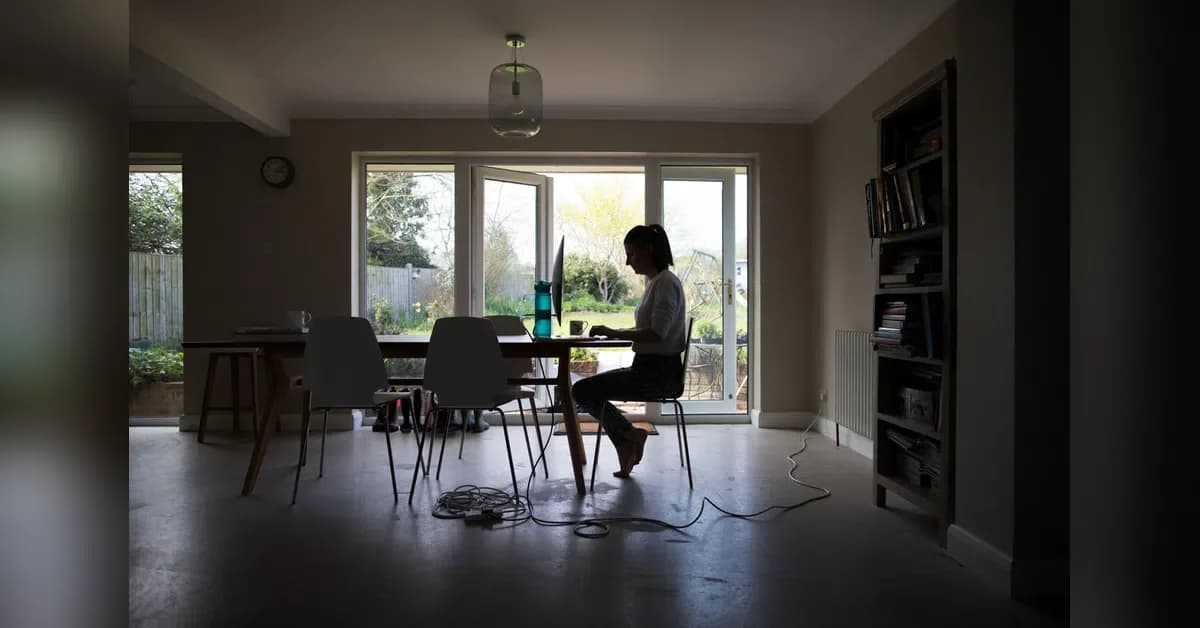
The Prime Minister has called for adoption of energy-saving and resource-conservation practices amid concerns over crude oil markets due to the West Asia crisis. Addressing a public gathering in Hyderabad on May 10, PM Modi emphasized that practices such as work-from-home, online meetings and video conferencing had already proven effective during the coronavirus pandemic and should be brought back "in the national interest." As per Business Standard, the Ministry of Finance has asked state-run banks and financial institutions to adopt austerity measures and shift to electric vehicles. In a circular issued last week, the finance ministry urged public-sector banks, regional rural banks, state-run insurers and financial institutions to reduce travel-related expenditure and adopt electric vehicles. The Department of Financial Services (DFS) has now advised public sector banks, insurers and financial institutions to implement austerity and cost-control measures, with proposals allowing employees to work from home for up to two days a week in suitable cases, while ensuring at least 50 per cent staff presence in offices and branches.
HDFC Bank, India's largest private lender, has implemented a work-from-home (WFH) arrangement of up to two days a week for employees in business and corporate-enabling functions for a period of 30 days, after which the policy will be reviewed. The arrangement covers functions including treasury operations, credit underwriting and risk, transaction banking, digital banking, IT services, human resources, finance and accounts, legal and compliance. As reported by ETBFSI, a senior Kotak Bank executive confirmed that work-from-home is already happening to some extent at M1 to M4 levels, especially in support and non-customer-facing functions, with the bank now contemplating whether to expand it more broadly, including to some mid-level roles. IndusInd Bank is expanding its roster-based WFH framework across multiple departments after initially adopting the model for select teams, with the framework designed with a customer-first approach ensuring customer service and branch operations continue as usual.
At Yes Bank, some teams are already working in a hybrid mode, with plans to extend the hybrid model to other non-customer-facing roles, according to Archana Shiroor, CHRO at Yes Bank. According to ETBFSI, Axis Bank has maintained a market-leading three-day WFH model for non-customer-facing roles for several years, with Rajkamal Vempati, Group Head-Human Resources, confirming the bank has already been operating a hybrid work architecture since the Covid period. Citibank's over 37,000 employees have been following a hybrid model since March 2021, requiring colleagues to attend office for three days and work from home for two days in a five-day work week. However, some banks are facing operational challenges - CSB Bank has deferred approvals for foreign travel by employees until the situation improves, while Federal Bank and ICICI Bank have not yet taken major work-from-home decisions. RBL Bank has given employees in cities such as Mumbai and Delhi the option to operate from the nearest office location based on proximity.
Bankers emphasize that functions linked to disbursements, payment clearances and branch operations still require physical presence due to operational and security dependencies. As reported by ETBFSI, employees handling transaction execution and cash-flow operations are required to work from office because such activities depend on dedicated terminals and secured lines. The ministry's initiative aims to reduce travel-related expenditure and promote sustainable business practices across the financial sector. State Bank of India, India's largest lender, is yet to take a decision on the matter, though the bank has developed the necessary infrastructure during the pandemic. The DFS has also encouraged institutions to rely more on video conferencing instead of physical meetings and to curb non-essential travel, especially foreign trips by senior executives.