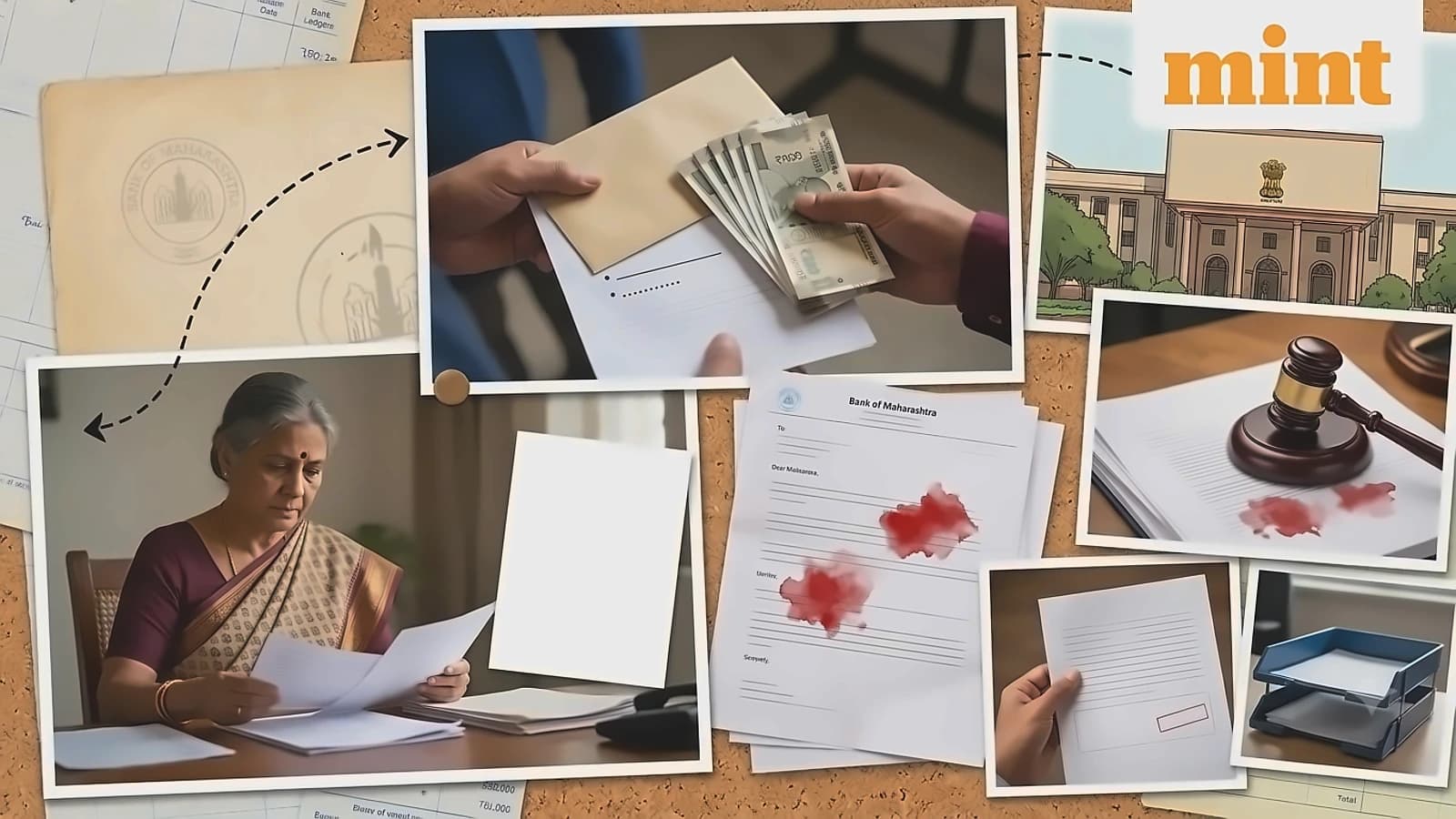
According to reports from The Times of India, Mr Ramesh Chand worked with Bank of Maharashtra since March 1, 1985, and died on February 12, 2006 while still in service. His wife, Savitri Devi, was paid terminal benefits including provident fund and gratuity on July 24, 2006, but was not eligible for family pension under existing arrangements. The bank introduced a one-time pension eligibility window on April 27, 2010, covering families of employees who joined before September 29, 1995 and died while in service after that date.
As reported by The Times of India, Devi submitted her application at the Connaught Place branch on March 2, 2011, several months after the October 18, 2010 deadline. The bank's circular required employees, retired employees and families of deceased employees to exercise the option within the prescribed period, with forms received after the deadline not being considered. Devi stated her willingness to repay the bank's contribution to the Provident Fund, along with interest and additional scheme requirements, but could not produce evidence of branch receipt or acknowledgment. According to the latest reports, Devi maintained that she had submitted the pension option form on March 2, 2011, but could not produce evidence establishing that the branch had actually received it on that date. The circular itself required the family member to retain an acknowledged copy of the application, which Devi did not produce before the High Court.

As reported by The Times of India, Devi then filed an RTI application to find out what had happened to her request. The information she received showed that the branch manager had contacted the bank's head office seeking guidance on her case. However, for reasons that remained unexplained, the branch did not forward Devi's application to the head office. The RTI response also revealed that the bank's head office had instructed the branch to collect the required documents from Devi and send the complete set of papers back for consideration on merits. Nothing further came of the matter, and the reason for the lack of action remained unclear. Devi argued that these records established that the bank was aware of her claim for family pension and therefore could not subsequently reject it on the ground that documents were missing or had not been submitted.
According to The Times of India, Shashwat Anand, Advocate on Record, Supreme Court of India, explained that the Delhi High Court found the August 18, 2010 circular to be a one-time opportunity with clearly defined eligibility requirements. The court held that timely submission was not merely procedural but formed part of the conditions for acquiring pension scheme rights, and equitable considerations could not alter mandatory eligibility requirements. The court noted that internal correspondence from January 2014 could not be treated as unequivocal acknowledgment that Devi submitted a valid option, as it was administrative communication seeking guidance rather than final decision-making. The biggest point that went against Devi's case was that she could not establish that the branch had received her application. The court emphasized that procedural lapses in implementing the scheme cannot create substantive entitlements outside the governing circular's express terms.
According to The Times of India, the Delhi High Court dismissed Devi's case on July 7, 2026, holding that since she had not demonstrated compliance with the October 18, 2010 deadline requirement, the delay could not create an enforceable right to family pension. The court made clear that equitable considerations cannot create entitlements de hors the scheme, and that the legal basis for family pension claims must come from the applicable pension scheme itself. The court recognized that family pension is welfare-oriented but emphasized that beneficial character does not mean courts can disregard express scheme terms when specific procedures and deadlines are established. The court acknowledged that the bank's handling showed administrative laxity and indecision, but emphasized that such administrative shortcomings cannot operate to create or enlarge an entitlement that is otherwise unavailable under the governing circular.