Industry veteran Deepak Parekh stated that the banking and financial services sector faces no major systemic risks from ongoing global geopolitical uncertainties, according to reports from The Economic Times. He noted that while the broader financial system remains strong and well-capitalised, the current global environment may weigh on fresh loan demand and overall business momentum. The impact is likely to be more pronounced in sectors such as oil, aviation, hospitality and logistics, rather than BFSI. Speaking at the 2nd Edition of CII BFSI Summit, Parekh emphasized that there is no major cause for concern despite global uncertainties, though some sectors like aviation, hospitality, logistics and crude oil are more directly impacted by ongoing global tensions.
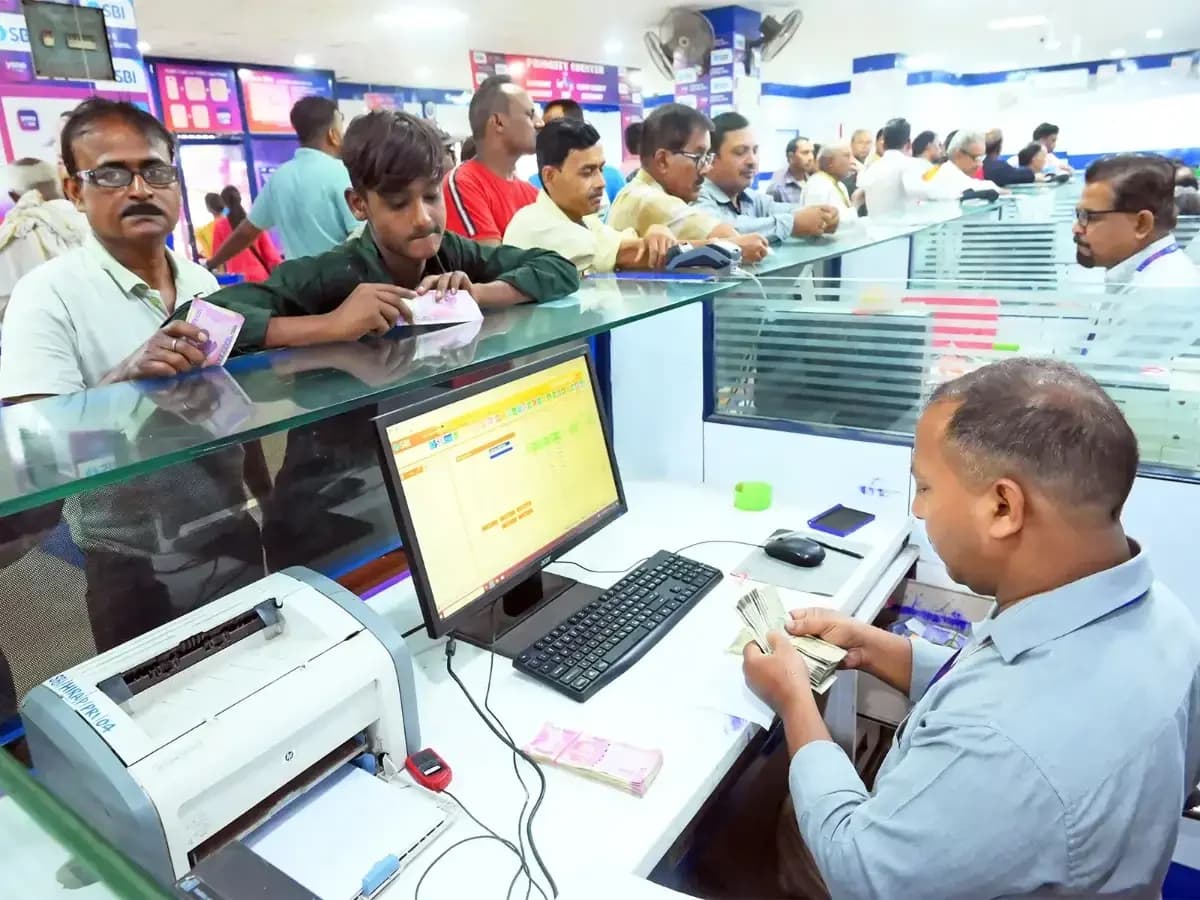
Parekh anticipates a short-term slowdown in loan growth across the sector, as reported by The Economic Times. He emphasized that while the financial system remains robust, current global conditions may dampen loan demand and overall business momentum. The sector's resilience is expected to be supported by steady domestic inflows, which have helped offset foreign portfolio investment outflows. On deposit mobilisation, Parekh highlighted that banks are witnessing slower growth as more individuals are investing in systematic investment plans (SIPs) of mutual funds. He noted that SIPs are attracting a large share of retail savings, with this trend helping India offset foreign portfolio outflows and strengthening the resilience of the domestic financial system.
Parekh highlighted the growing relevance of real estate investment trusts (REITs) in India, describing them as an emerging avenue that bridges the gap between developers seeking to monetise assets and occupiers preferring rental models, according to The Economic Times. He noted that with global capability centres, IT firms and large corporates increasingly opting to lease office spaces, REITs are gaining traction by offering investors stable returns along with capital appreciation. The segment is expected to expand further as it provides a stable investment option for institutional and retail investors. Parekh explained that REITs allow large investors to buy properties, bundle them together and offer them as investment products, giving returns and some capital appreciation. "REITs have become very popular and will grow further as more and more space gets rented out," he added.
Parekh highlighted the negative impact of tax benefit removal on life insurance policy sales, emphasizing the importance of insurance as a financial product for families. Speaking at the 2nd Edition of CII BFSI Summit, he noted that life insurance issuance has declined following the removal of tax deduction benefits under the new tax regime. "Insurance was growing rapidly because the amount of premium you paid was allowed as a deduction from your income... But now that benefit is removed, new insurance policies have come down because of the tax benefit being removed," Parekh explained. For policies issued after April 1, 2023, maturity proceeds are taxable if annual premiums exceed ₹5 lakh, although death benefits remain tax-free. Despite the decline in new policy sales, Parekh stressed that insurance continues to be a critical savings product for households, stating it is "a savings product and a must for every family because life is uncertain."
On technology adoption, Parekh said the impact of artificial intelligence on the financial sector is still evolving and remains uncertain, according to The Economic Times. While AI is expected to enhance productivity, its implications for employment and operations are yet to fully unfold. He also observed that deposit mobilisation has moderated as retail investors increasingly channel savings into systematic investment plans (SIPs) of mutual funds, with these steady domestic inflows helping offset foreign portfolio investment outflows and strengthening the resilience of the domestic financial system. In the first four months of the current year, about USD 12 billion of foreign portfolio investments have gone out, but this is being replaced by domestic investors, as Parekh noted that "this is good as we should rely more on domestic savings."