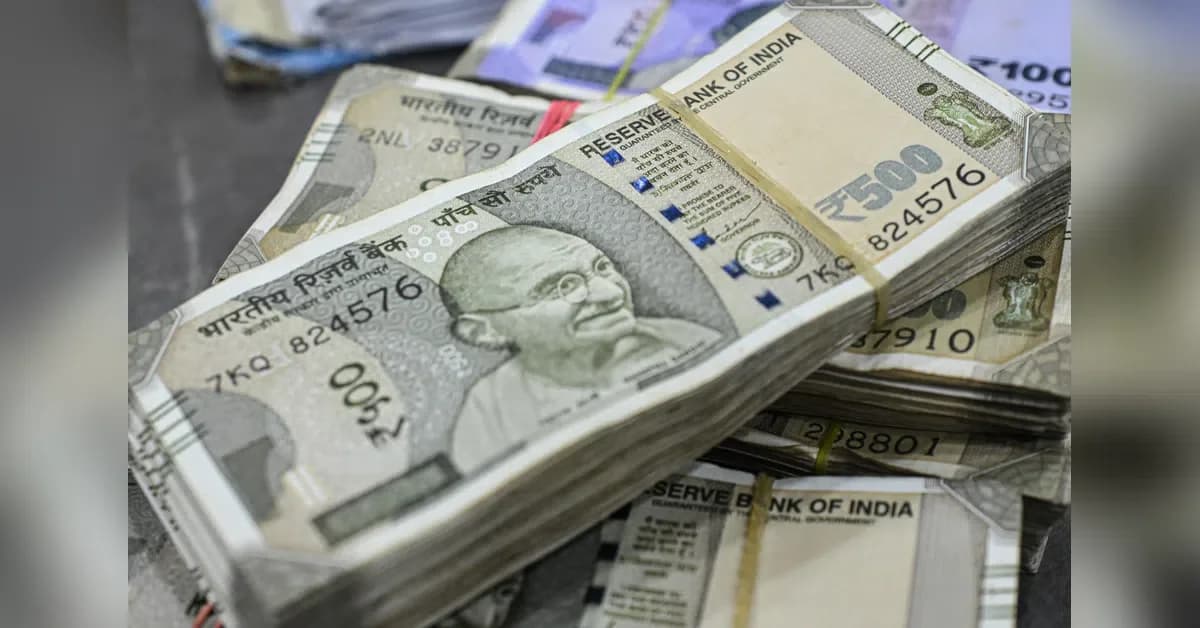
India's retail credit market is experiencing a significant shift as lenders increasingly favour customers with established credit histories, according to a new editorial from Business Standard. This trend has supported asset quality improvements but risks slowing financial inclusion, particularly among rural households, women, and micro enterprises that continue to rely on informal sources of finance. The editorial warns that traditional entry points into formal borrowing are changing, making it essential to develop new ways of assessing creditworthiness. Alternative data from digital transactions, supported by the Reserve Bank of India's Universal Lending Interface, could help lenders identify creditworthy borrowers, broaden access, and reduce dependence on informal lending. The trend aligns with current MBA project topics focusing on AI-driven credit risk modeling and digital lending and fintech platforms as students explore innovative approaches to credit assessment.
India's insurance sector faces critical structural issues that continue to disadvantage policyholders despite decades of regulatory evolution. As consumer policy expert Bejon Misra notes in a recent Mint MoneyGuru conversation, the policyholder remains the weakest stakeholder in an industry that is supposed to exist for their protection. Health insurance premiums don't seem to have fallen despite GST relief, with the fundamental issue lying in opaque pricing and absence of transparency in premium determination. Medical inflation continues to rise due to weak regulatory oversight in healthcare delivery, with India lacking uniformly enforced standards for hospitals and insufficient accreditation to prevent inefficiencies. The Insurance Ombudsman system costs up to ₹35,000 per complaint resolution, which ultimately gets passed into premiums, raising questions about who should bear the cost of inefficiency in grievance redressal.
A year into United States President Donald Trump's tariff regime, the policy has failed to deliver the promised revival of US manufacturing while imposing significant costs on American households and workers, as reported by Business Standard. The editorial notes that although tariffs have encouraged some trading partners to negotiate market access, there is little evidence that they have materially boosted US exports or industrial production. Instead, rising import costs have contributed to renewed inflationary pressures. The piece argues that firms are passing tariff costs on to consumers while restraining labour expenses, eroding real wages. Far from creating a fairer system, tariffs appear to be diminishing workers' purchasing power and incomes.
Cybersecurity has become as fundamental to banking resilience as capital, liquidity, and asset quality, argues Business Standard contributor Swaminathan J. As banks expand through digital platforms, cloud services, fintech partnerships, and outsourced providers, cyber threats increasingly carry operational, financial, and reputational consequences. The author contends that cyber risk should be embedded within enterprise-wide risk management rather than confined to technology teams. Effective defence requires not only prevention, but also rapid detection, containment, recovery, and strong governance. Boards, employees, customers, regulators, and industry institutions all have critical roles in sustainable digital growth.

Following the recent Assembly election results, political alignment between West Bengal and the Centre, alongside renewed stability in Bangladesh, has created a rare opportunity to deepen regional economic integration, according to Business Standard analysis. The piece notes that the future of India's eastern neighbourhood depends less on tariffs and more on efficient transport, border infrastructure, and predictable transit systems. Improved connectivity with Bangladesh could unlock trade, strengthen links to the North East, and enhance access for Nepal and Bhutan. The authors emphasize that upgrading land ports, waterways, and multimodal networks must be matched by robust border management, making security and commerce mutually reinforcing objectives.