Bank account freezes in India are governed by Section 106 of the Bharatiya Nagarik Suraksha Sahita 2023 (BNSS), replacing the previous Section 102 of the Criminal Procedure Code 1973. According to Pathmpor Consultants Pvt Ltd, the Supreme Court has established that bank accounts represent legally enforceable rights to money and fall within the definition of property under the law. However, the legislature has built mandatory procedural safeguards to prevent unchecked police misconduct. Under Section 106(3) of the BNSS, every police officer must report seizure actions to the jurisdictional Magistrate within 24 to 48 hours of freezing. The Supreme Court in Shento Varghese v. Julfikar Husen (2024) ruled that this reporting requirement is mandatory and not optional, making any freeze action procedurally defective without proper judicial oversight.
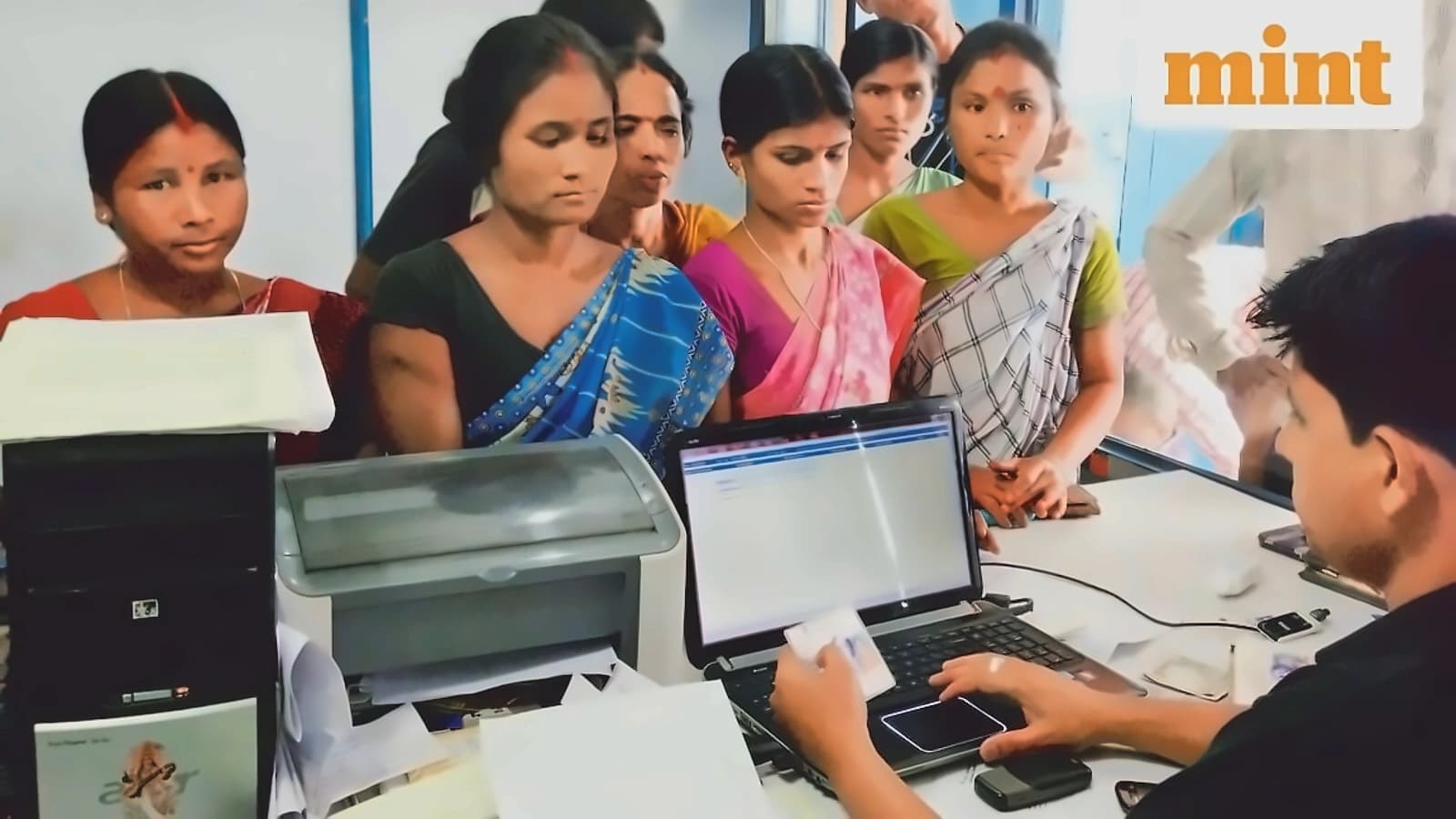
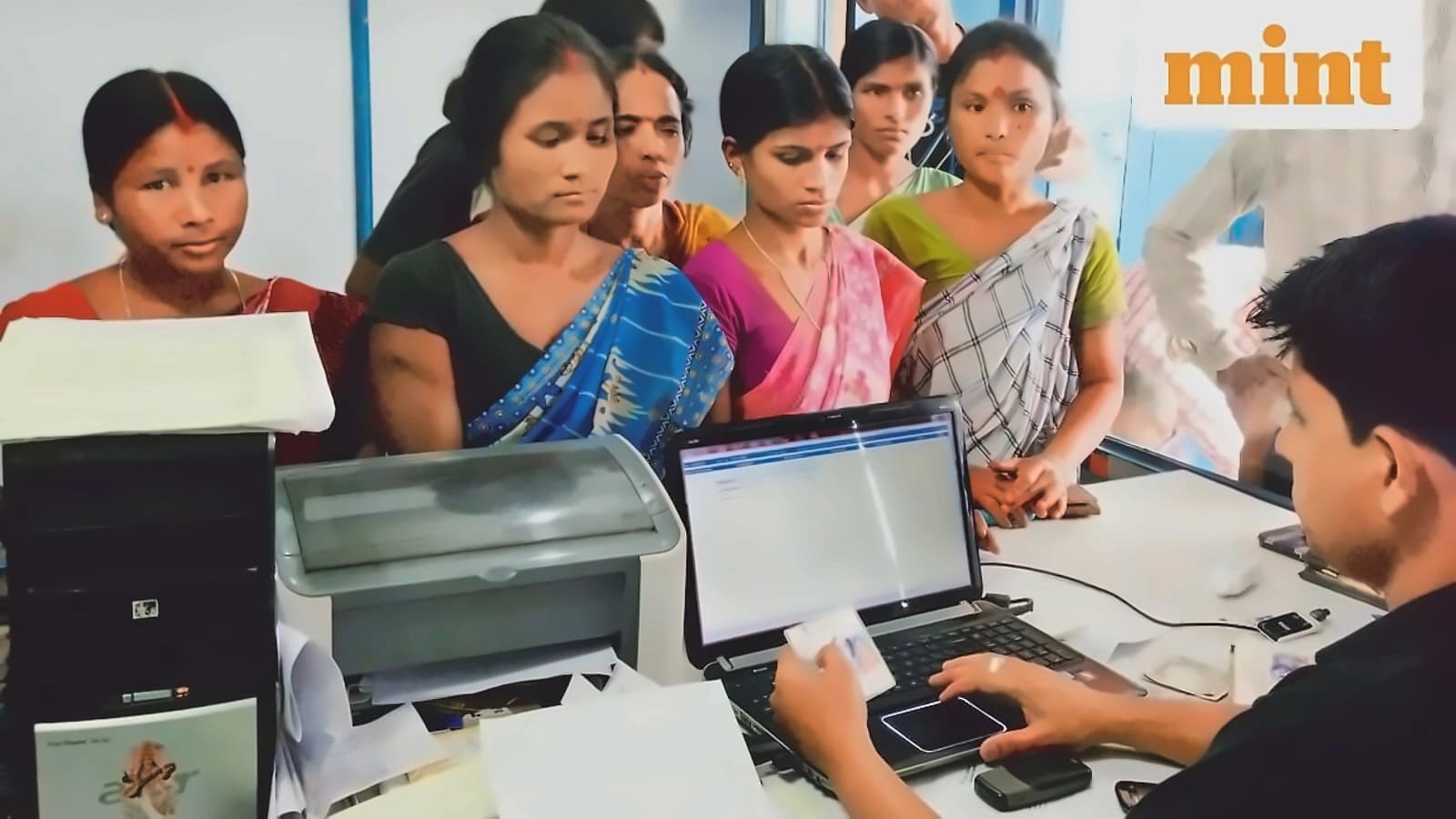
According to reports from Mint, bank account freezes are implemented by financial institutions to investigate unauthorized transactions, address documentation issues, and prevent financial fraud. Common reasons include KYC documents that are not updated, suspicious transactions, dormant accounts with no customer-initiated transactions for over two years, court or government orders related to legal proceedings, and documentation mismatches such as incorrect account details or identity verification issues. These freezes serve as precautionary measures to protect customer identity and prevent financial losses. However, as reported by Pathmpor Consultants, investigating agencies frequently freeze accounts that are suspected of holding proceeds of crime, but these powers have emerged as a serious procedural and constitutional concern as innocent account holders find their entire accounts placed in total freeze merely because a small amount of money has been credited.
As reported by Mint, the account restoration process involves five key steps: contacting the bank branch or customer care promptly, identifying the exact freeze reason, submitting required documents such as Aadhaar, PAN, and address proof, completing KYC formalities, and waiting for bank review and approval. Commonly required documents include Aadhaar Card, Passport, Voter ID, PAN Card for address verification, bank passbook details, and utility bills. When an individual discovers their account has been frozen, they must approach the bank branch manager in writing to demand complete freeze details, including formal police notice, FIR number, investigation police station name, and exact frozen amount. According to Pathmpor Consultants, account holders have two primary legal options: representation before the Investigation Officer through tax invoices and transaction logs, or application before the jurisdictional Magistrate under Section 503 of the BNSS for partial or complete de-freezing upon execution of indemnity bond or bank guarantee.
The practice of blanket freezes directly violates constitutional principles of proportionality and the fundamental right to carry on trade and livelihood under Article 19(1)(g) of the Constitution. As reported by Pathmpor Consultants, Madras High Court in Mohammed Saifullah v. Reserve Bank of India (2024) held that investigating agencies cannot freeze entire bank accounts without quantifying specific amounts, emphasizing that total debit amounts must be specified to avoid immense personal and commercial hardship. The court clarified that Section 106 BNSS is primarily intended for short-term evidentiary preservation during preliminary investigation stages, while long-term attachment requires following structured judicial procedures under Section 107 of the BNSS. In extreme cases where freezes are arbitrary or violate fundamental rights, affected parties can bypass lower courts and file Writ Petitions before High Courts under Article 226 of the Constitution.
As reported by Mint, maintaining updated KYC details, regularly monitoring account activity, and promptly responding to bank-related communications can help avoid account freezes and ensure uninterrupted access to funds. The article emphasizes that frozen accounts do not necessarily indicate wrongdoing, but rather represent temporary precautionary measures deployed by banks to avoid financial losses and legal complications. According to Pathmpor Consultants, the "Frozen Account Trap" thrives on general citizen's lack of awareness regarding criminal procedure and banks' tendency to blindly execute vague police requests. Understanding that bank freezes must respect rule of proportionality and be reported immediately to a Magistrate can help ordinary citizens and businesses successfully challenge arbitrary actions. The judiciary is increasingly enforcing strict standards of accountability as Indian criminal jurisprudence transitions into the framework of the BNSS 2023.