The Insurance Regulatory and Development Authority of India (IRDAI) is now evaluating stakeholder responses to its proposed overhaul of insurance commissions and distribution expenses, as the feedback window closed on October 31. According to The Economic Times, the regulator had extended the deadline by a week after receiving more than 650 responses to its September 23 consultation paper, which proposes tighter commission limits, changes to expense-of-management rules and a new distribution architecture. The industry is now awaiting the draft guidelines followed by the final framework, with both insurers and intermediaries expecting the new rules to take effect from April 2027, allowing time to prepare for changes to distribution arrangements and business models. IRDAI chairman Ajay Seth had indicated he would like the framework to be implemented from either January or April, with the final date to be decided after the regulator examines the feedback.
Non-banking financial companies are preparing for substantial losses from Irdai's proposed insurance distribution overhaul, with Shriram Finance expecting a ₹100 crore reduction in insurance commissions. According to Business Standard, the company earned approximately ₹350 crore in insurance commissions last year, making the proposed cuts significant. Piramal Finance estimates an 18-24 basis point impact on return on assets if the consultation paper is implemented as proposed from April 1, 2027. Shriram Finance CFO S Sunder stated during the second-quarter earnings call that "for the size of our balance sheet, it is not material," but acknowledged broader industry concerns about potential slowdown in insurance growth as distributors play a crucial role in customer reach.
Indian banks are implementing comprehensive strategies to offset potential losses from Irdai's proposed insurance commission cuts, with multiple institutions exploring alternative revenue streams. According to Business Standard, banks are focusing on mutual funds, forex services, trade finance, and wholesale banking to diversify their fee income. Axis Bank is considering higher insurance sales volumes and changes in product mix, while AU Small Finance Bank is looking to expand foreign exchange business and trade finance. IDFC FIRST Bank expects to benefit from lower funding costs on FCNR(B) deposits and potential gains from higher interest rates, demonstrating the industry's proactive approach to managing regulatory changes.
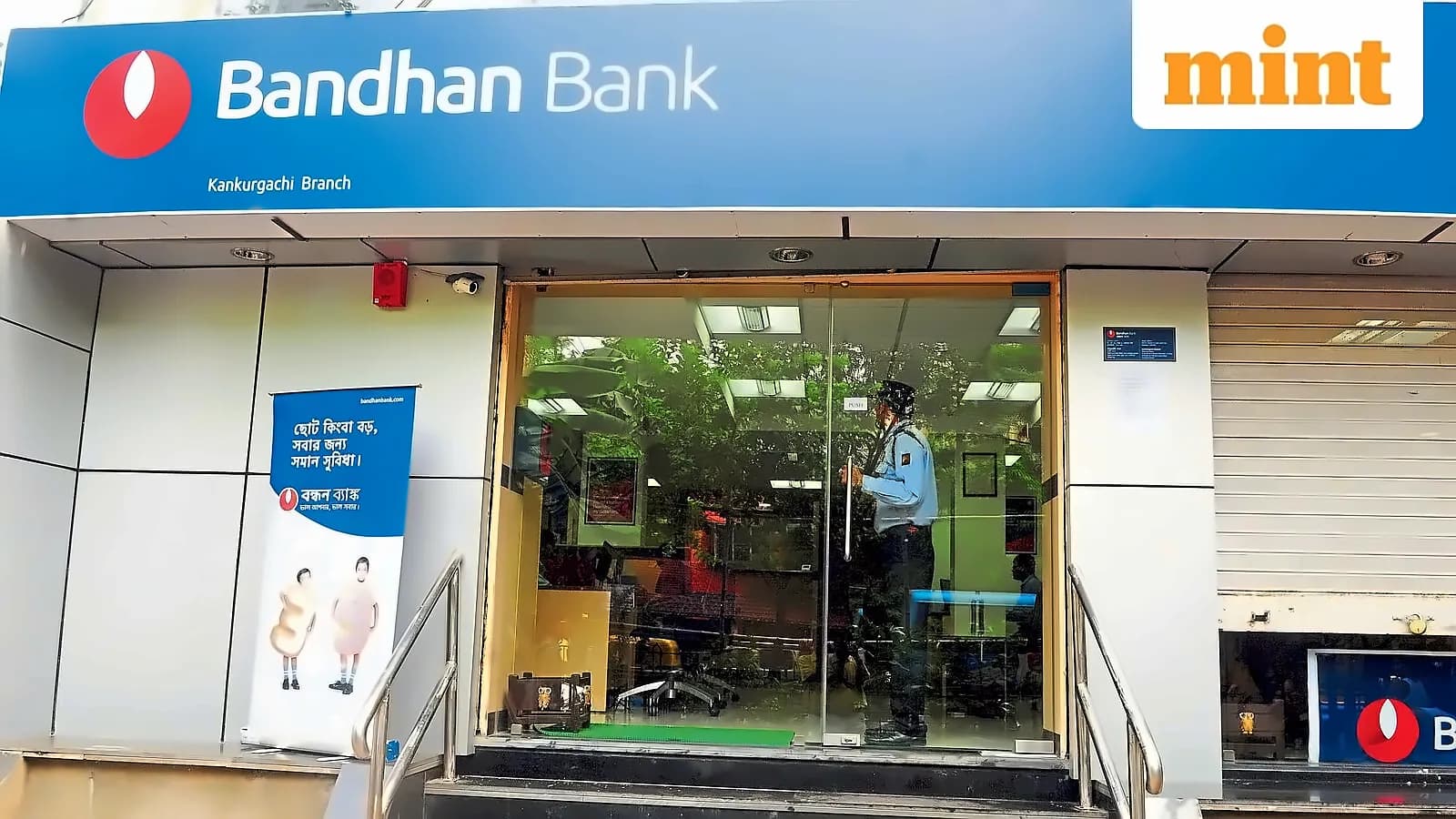
According to reports from Live Mint and The Economic Times, Bandhan Bank expects a significant impact of approximately ₹200 crore annually to its income from selling insurance and third-party products if the Insurance Regulatory and Development Authority of India's (Irdai) proposed distribution changes take effect. Managing Director and CEO Partha Pratim Sengupta stated that while the changes represent a setback at the industry level, the bank expects to recover most of the shortfall over time by shifting focus to other products and markets. As per The Economic Times, Sengupta warned of potential ripple effects across the banking industry, emphasizing that the proposal will affect the entire industry as Bandhan Bank is not isolated from these regulatory changes. RBL Bank executive director Jaideep Iyer said on the lender's earnings call that a 50-60% reduction in its annual bancassurance income of roughly ₹300 crore "should be minimum to be penciled in."
As reported by Live Mint and The Economic Times, Bandhan Bank earned ₹156 crore from distributing third-party products in the July-September quarter, with the majority coming from insurance sales and approximately ₹6-7 crore from mutual funds. The estimated hit represents about 7% of the bank's other income of ₹2,734 crore in FY26. The bank reported a net profit of ₹622 crore for Q2FY27, compared with ₹112 crore a year earlier, largely due to lower provisions. According to The Economic Times, the Kolkata-based lender netted ₹156 crore from distributing third-party products in the second quarter with a majority of its coming from insurance sales, with the bank reporting ₹156 crore in third-party product income in the September quarter, up 26% year-on-year.
According to Live Mint, Irdai released a consultation paper in September titled Recalibrating Economics of Insurance Distribution, proposing changes to how insurers compensate banks and intermediaries for selling policies. The proposals would reinstate product- and channel-specific caps on commissions paid by insurers to distributors, including banks, and include lower expense-of-management (EoM) limits for insurers. As per The Economic Times, the consultation paper seeks to curb distribution costs and improve transparency by linking remuneration to the nature of products, distribution channels and the effort involved in selling them. It also proposes reducing expense limits over a five-year period. In case of credit life, commission will fall to 2% from the current 40%, while single-premium life insurance policies sold alongside loans would carry a commission cap of 2%. For credit-life products, commissions can currently go as high as 45%, according to industry estimates.
According to The Economic Times, stakeholders have raised concerns over loss of revenue and jobs following the implementation of the proposed rules, with brokers saying their revenue could fall by 60% if those were implemented in the current form. Bandhan Bank has limited exposure to drought-impacted regions in Karnataka and Maharashtra, which helps mitigate overall financial risks. About 1% of its unsecured emerging enterprise business comes from Karnataka and 2.6% from Maharashtra. Sengupta stated that there is no substantial impact likely from these drought conditions. The bank's strategic focus on diversifying revenue streams and expanding into mutual fund distribution demonstrates its proactive approach to managing regulatory changes while maintaining its core retail-focused business model. Canara Bank expects an annual impact of ₹120-145 crore on its life insurance distribution income, with the overall impact across its distribution businesses not exceeding ₹200 crore. Union Bank of India managing director Asheesh Pandey said insurance and other commission income currently accounts for about 8% of the bank's total fee income, with the lender potentially seeing a hit of ₹100-110 crore if the proposed norms are implemented.